
Buyer Guide | November 23, 2026
What Makes a Rattan Chair Comfortable for Long-Term Seating?
A comfortable rattan chair should provide good back support, enough sitting space, and a seat that remains comfortable over time.
See Details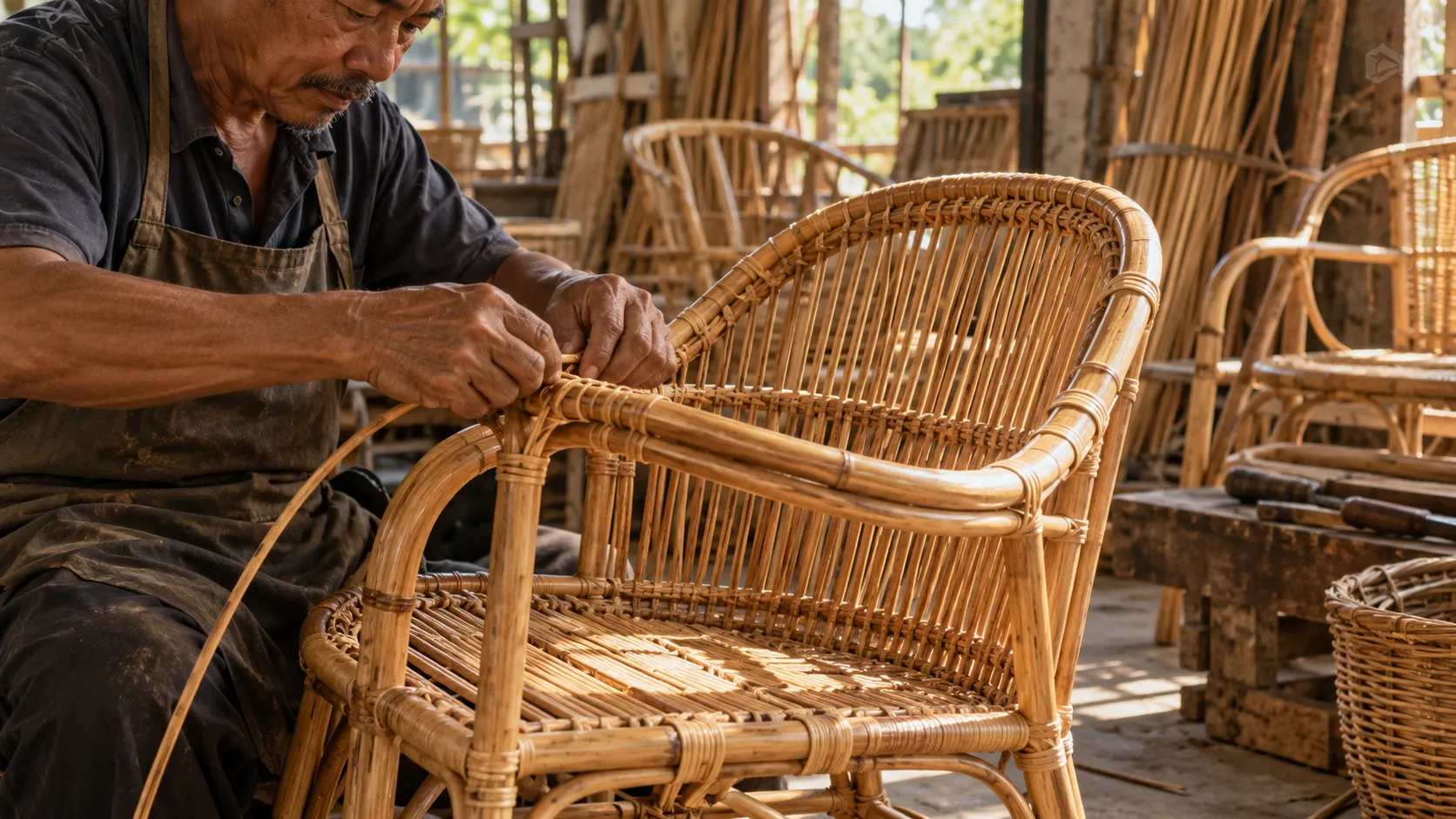
Rattan craftsmanship combines traditional weaving skills, material knowledge, and furniture construction techniques to transform natural rattan into functional products. Behind each finished piece is a process involving material selection, frame shaping, weaving, assembly, and finishing. Depending on the product, these activities may be completed by individual artisans, specialized workshops, or coordinated manufacturing teams.
Although rattan furniture is often associated with handmade production, craftsmanship involves more than decorative weaving. The quality of the finished product also depends on structural stability, consistent workmanship, and the ability to reproduce approved designs. Understanding these factors helps furniture buyers appreciate the craft while evaluating products for residential, hospitality, and commercial use.
Rattan furniture production involves several skills that may be performed by different craftsmen. Frame makers prepare structural components, weaving specialists create woven surfaces, and finishing workers complete surface treatments and final details. In smaller workshops, one artisan may perform several of these tasks, while larger operations often divide them among specialized teams.
These production arrangements are found in different rattan-producing and furniture-making communities, particularly across Southeast Asia. Although techniques and workshop traditions vary, the relationship between material preparation, construction, and weaving remains central to the craft. The finished furniture therefore reflects both individual craftsmanship and coordination between production stages.
Rattan furniture begins with selecting suitable materials for the intended design. Thicker canes are commonly used for structural components, while thinner strips and processed weaving materials are used for seats, backrests, and decorative panels. The material's diameter, flexibility, and condition influence how it can be shaped and assembled.
To create curved furniture forms, craftsmen may apply heat or steam to make suitable canes easier to bend. Once shaped, the components are assembled into frames that establish the furniture's proportions and support. Careful construction is important because even detailed weaving cannot compensate for an unstable frame or poorly secured joints.
For buyers interested in furniture that incorporates these construction techniques, Rattan Tradeasia's Indoor Furniture collection offers a range of rattan furniture designs to explore.
Weaving is one of the most recognizable aspects of rattan craftsmanship, but its quality depends on more than the appearance of a pattern. Craftsmen must control strand placement, spacing, and tension while adapting the material to the shape of the furniture frame. These decisions influence the consistency of the woven surface and its performance during use.
Different products may require different weaving methods. A tightly woven seating surface must meet different functional requirements from a decorative panel or storage basket. Although natural variations in color and texture are common, loose weaving, irregular construction, and unstable components should not automatically be treated as acceptable handmade characteristics.
Rattan Tradeasia's Storage and Accessories collections provide additional opportunities to explore how woven rattan is used beyond conventional furniture.
Rattan craftsmen may work independently, within small family-operated workshops, or as part of larger furniture production facilities. Some workshops complete frame construction, weaving, and finishing in one location, while others collaborate with specialists who handle particular stages of production.
These arrangements allow different skills to contribute to a finished product and can help workshops accommodate a wider variety of designs. However, when production involves multiple craftsmen or locations, clear specifications become important for maintaining consistent dimensions, weaving patterns, and finishes.
For commercial buyers, the relevant consideration is not whether every stage occurs in one workshop. It is whether the production process can deliver furniture that meets the agreed design, quality, and quantity requirements.
Handmade rattan furniture naturally exhibits some variation because individual canes differ in color, texture, and flexibility. Minor differences may contribute to its character, but the extent of acceptable variation should be established through approved samples and product specifications.
Furniture quality also depends on material preparation, frame stability, weaving consistency, and finishing. For hospitality and other commercial applications, buyers should consider how furniture will perform under repeated use, cleaning, and movement. Visual workmanship alone does not establish structural durability or suitability for a particular environment.
A practical quality assessment should combine physical samples, documented construction requirements, and inspections at relevant production stages. This helps distinguish the natural characteristics of handmade furniture from defects that require correction.
Rattan craftsmanship continues to evolve as traditional manual techniques are combined with modern production equipment and organized manufacturing processes. Tools and templates can support consistent shaping, cutting, and assembly, while skilled craftsmen remain important for weaving, detailed finishing, and adapting natural materials to particular designs.
This combination makes it possible to produce handcrafted rattan furniture in commercial quantities, although capacity depends on the complexity of the products, available skills, and production arrangements. Buyers sourcing furniture for hotels, restaurants, or retail collections should therefore consider both craftsmanship and the supplier's ability to maintain consistent specifications across repeated orders.
Rattan craftsmanship brings together material knowledge, structural construction, and skilled weaving to produce furniture and decorative products with distinctive characteristics. Whether a piece is made by an independent artisan or through a coordinated workshop, its quality depends on how effectively these techniques are applied throughout production.
Understanding the craft allows buyers to appreciate handmade details while making informed decisions about construction, consistency, and intended use.
Buyer Guide | November 23, 2026
A comfortable rattan chair should provide good back support, enough sitting space, and a seat that remains comfortable over time.
See Details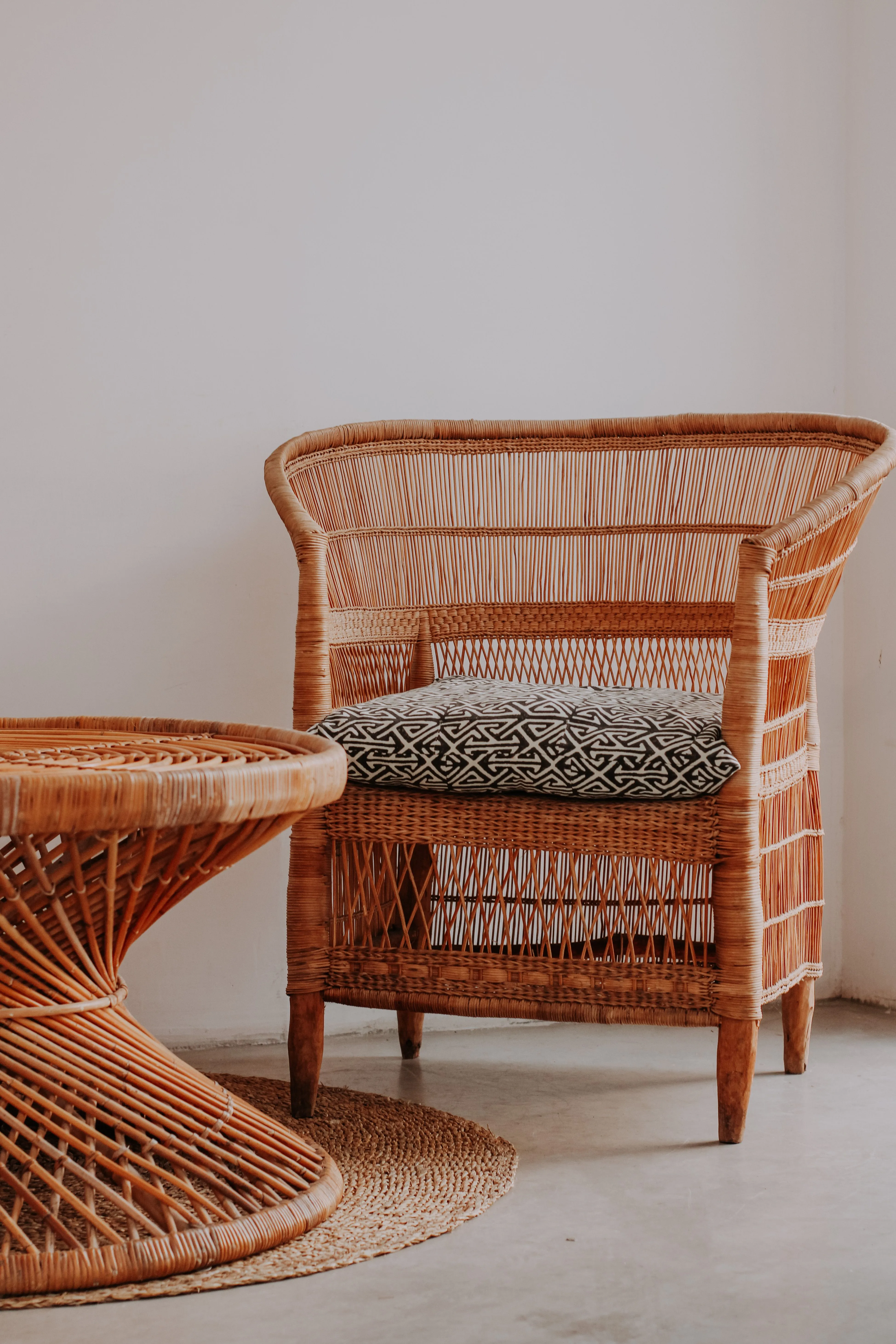
Rattan Guide | November 20, 2026
湾曲した籐家具のフレームは、適切な籐の棒を選択し、熱または蒸気で柔らかくし、型や治具の周りで曲げて必要な形状を達成することによって作られます。
See Details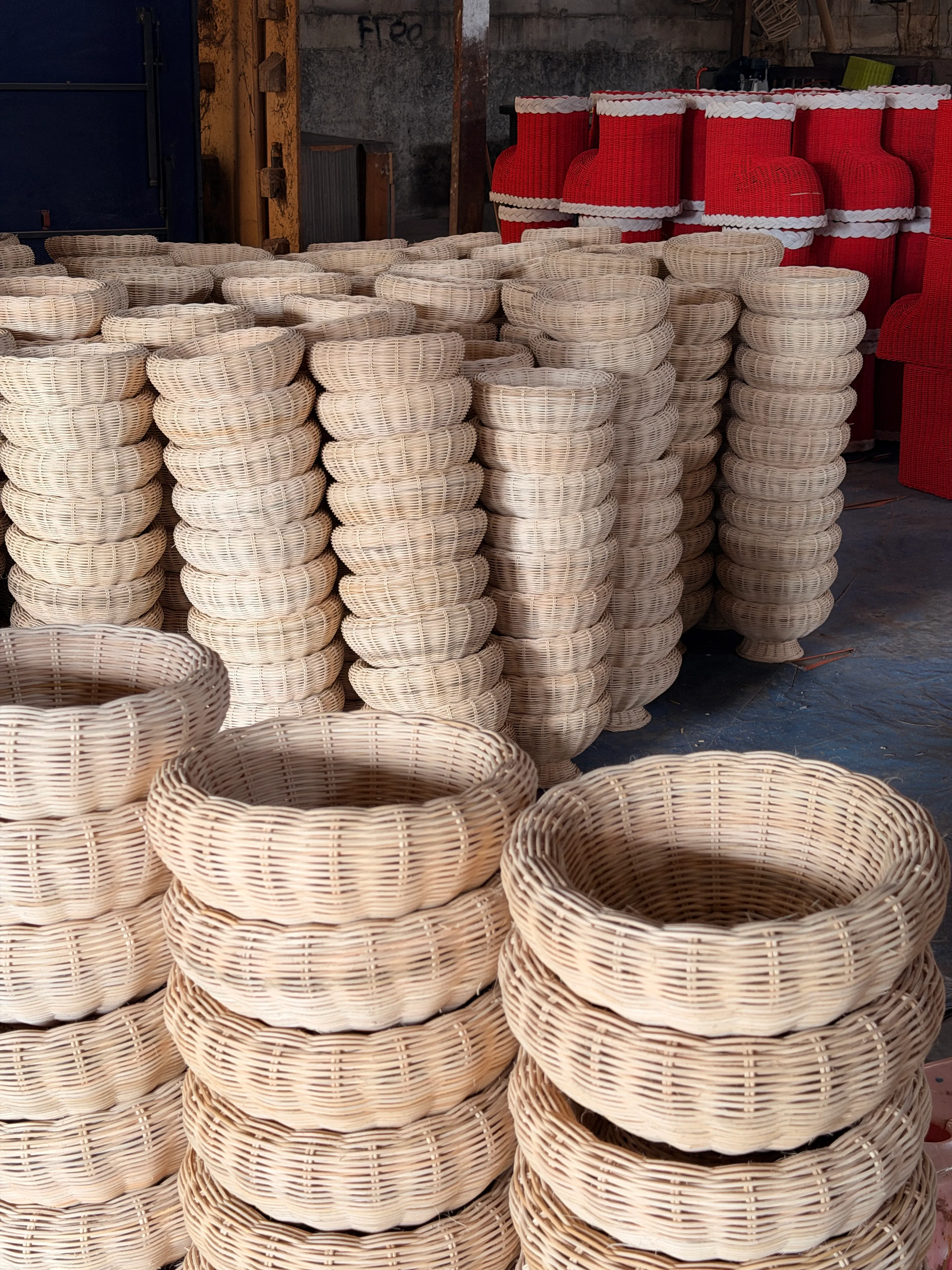
Rattan Guide | November 18, 2026
Not all rattan furniture is made entirely from natural rattan. Some products use natural rattan poles and woven fibers, while others incorporate synthetic strands, timber, metal, or upholstery. The term rattan furniture can therefore describe different material combinations, even when the finished products have similar appearances.
See DetailsSubcribe to our insight newsletter and be the first to receive the latest article and news updates form Tradeasia