
Buyer Guide | November 23, 2026
What Makes a Rattan Chair Comfortable for Long-Term Seating?
A comfortable rattan chair should provide good back support, enough sitting space, and a seat that remains comfortable over time.
See Details
Rattan furniture is an investment in both comfort and aesthetics. However, rattan is a natural fiber and it is susceptible to damage from moisture, extreme temperatures, and sunlight. During the off-season, rattan furniture may be exposed to rain, snow, and freezing temperatures, which can cause the fibers to expand, crack, or become brittle.
Moreover, storing your rattan furniture correctly also protects it from pests like insects and rodents that may seek shelter in the nooks and crannies. A well-protected piece will not only survive the off-season but will also require less maintenance when you bring it out again. Investing a little time and effort in off-season storage can save you from costly repairs or replacements down the line. It is a simple yet crucial step in the care of your outdoor furniture. Here are the following step to do it
Before storing your rattan furniture, it is an obligation to give it a thorough cleaning. Dirt, dust, and grime can accumulate during the active season, and if left untreated, it can cause the rattan to become dull and even attract pests. Start by removing any cushions and pillows, and set them aside for separate cleaning (more on that later). Use a soft brush or a vacuum cleaner with a brush attachment to remove loose dirt from all surfaces, including the intricate weaves.
Next, prepare a mild cleaning solution of warm water and a few drops of dish soap. Dip a soft cloth or sponge into the mixture, wring it out well, and gently wipe down the entire frame. Avoid soaking the rattan, as excess moisture can cause damage. For stubborn spots, you can use a soft-bristled brush dipped in the soapy water and scrub gently in the direction of the weave. Once you’ve cleaned the furniture, rinse the cloth with plain water and wipe away any soap residue. Finally, allow the furniture to air dry completely in a shaded area.
Rattan, like skin, needs hydration to stay supple and avoid cracking. After cleaning, it’s an excellent time to apply a conditioner or a light coat of furniture oil. This step helps to replenish the natural oils that are lost during use and cleaning, keeping the fibers flexible and vibrant. Choose a product specifically designed for wicker or rattan furniture, usually available in spray or liquid form then apply it according to the manufacturer’s instructions. Typically, you can spray the conditioner onto a clean cloth and wipe it into the furniture, or apply it directly and buff it with a soft cloth.
The ideal storage environment for rattan furniture is a cool, dry, and well-ventilated space, such as a shed, garage, or indoor storage room. If you’re storing your furniture indoors, make sure the area is not damp or prone to condensation. If you have no indoor space, you can still protect your rattan by using a high-quality, waterproof cover, but it’s always best to bring it inside.
If you must store your furniture outdoors, choose a spot that is sheltered from the elements, such as under a covered porch or patio. Elevate the furniture slightly off the ground using wooden pallets or blocks to prevent moisture from seeping in from the ground. Also, never store rattan directly on concrete, as concrete can wick moisture. Proper air circulation is important, so avoid storing items in airtight spaces without ventilation.
Even when stored indoors, it’s wise to cover your rattan furniture to protect it from dust and potential scratches. Use a cover made of cotton or specially designed storage bags that allow air circulation while keeping out dirt. If your furniture is stackable, stack chairs or tables carefully to save space, but place a soft cloth or felt pads between pieces to prevent abrasion. If you must disassemble any parts, do so and keep all small pieces in labeled bags to avoid losing them.
For outdoor storage, invest in a high-quality, waterproof cover that fits snuggly over your furniture. These covers are often made of heavy-duty PVC or polyester with a soft lining to avoid scratching. When covering, ensure the cover does not rest directly on the rattan in a way that could cause pressure marks. Use the ties or straps to secure the cover, preventing it from blowing off in the wind. Remember to never store wet furniture under a cover, as this creates a perfect environment for mold and mildew.
Rattan furniture often comes with cushions, pillows, and other accessories that also need proper off-season storage. First, clean the cushion covers according to the manufacturer’s instructions. Most outdoor cushion covers are removable and machine-washable, but check the label. Wash them with a mild detergent and allow them to dry completely. Then, store the cushions and pillows in a dry, breathable place, ideally in a storage bin or laundry bag. You can also store them in a closet or under a bed, as long as they are not compressed for long periods.
If storage space is tight, consider using vacuum-seal bags for cushions, but be aware that this can compress the foam and reduce their resilience over time. Alternatively, stand cushions on their side or stack them with cardboard between each to maintain shape. Also, don't forget about any glass tops or other accessories that come with your rattan furniture. Clean and wrap them separately to prevent breakage, and store them in a safe spot.
Even while in storage, your rattan furniture will benefit from an occasional check-up. Every few weeks, inspect your stored furniture for any signs of mold, mildew, or pests. If you notice any issues, address them promptly. Good airflow and a dry environment are key, so you might want to add a dehumidifier or moisture absorber in the storage space. Additionally, if you are storing furniture in a garage or shed, ensure that the area is not prone to rodent infestations; consider setting traps or using natural deterrents like peppermint oil.
By staying vigilant, you can catch small problems before they escalate into expensive damage. When the time comes to bring your furniture out for the next season, you’ll be greeted by a fresh, clean set that’s ready to enjoy. Remember, a little maintenance now saves a lot of hassle later.
In conclusion, proper off-season storage is vital to preserving the beauty and longevity of your rattan furniture. By following these essential steps, you can protect your investment and enjoy your rattan pieces for years to come. Remember, the key is to keep the furniture dry, clean, and protected from harsh weather. Whether you store it indoors or under a durable cover outdoors, your rattan furniture will thank you with timeless elegance and durability. So, as the off-season approaches, take the time to prepare your furniture properly. Not only will it look better next summer, but you’ll also save money and avoid the hassle of premature replacement.
Buyer Guide | November 23, 2026
A comfortable rattan chair should provide good back support, enough sitting space, and a seat that remains comfortable over time.
See Details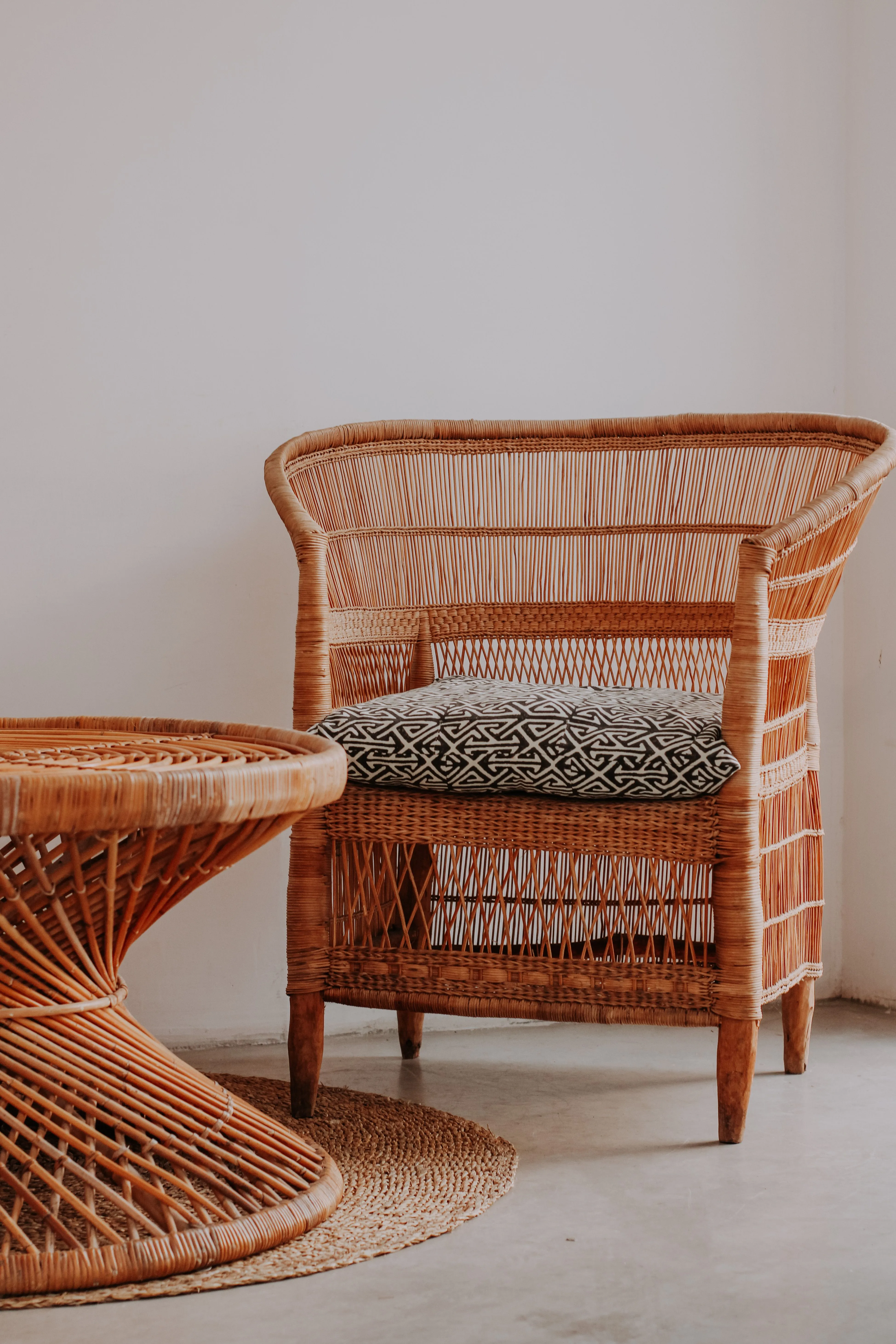
Rattan Guide | November 20, 2026
湾曲した籐家具のフレームは、適切な籐の棒を選択し、熱または蒸気で柔らかくし、型や治具の周りで曲げて必要な形状を達成することによって作られます。
See Details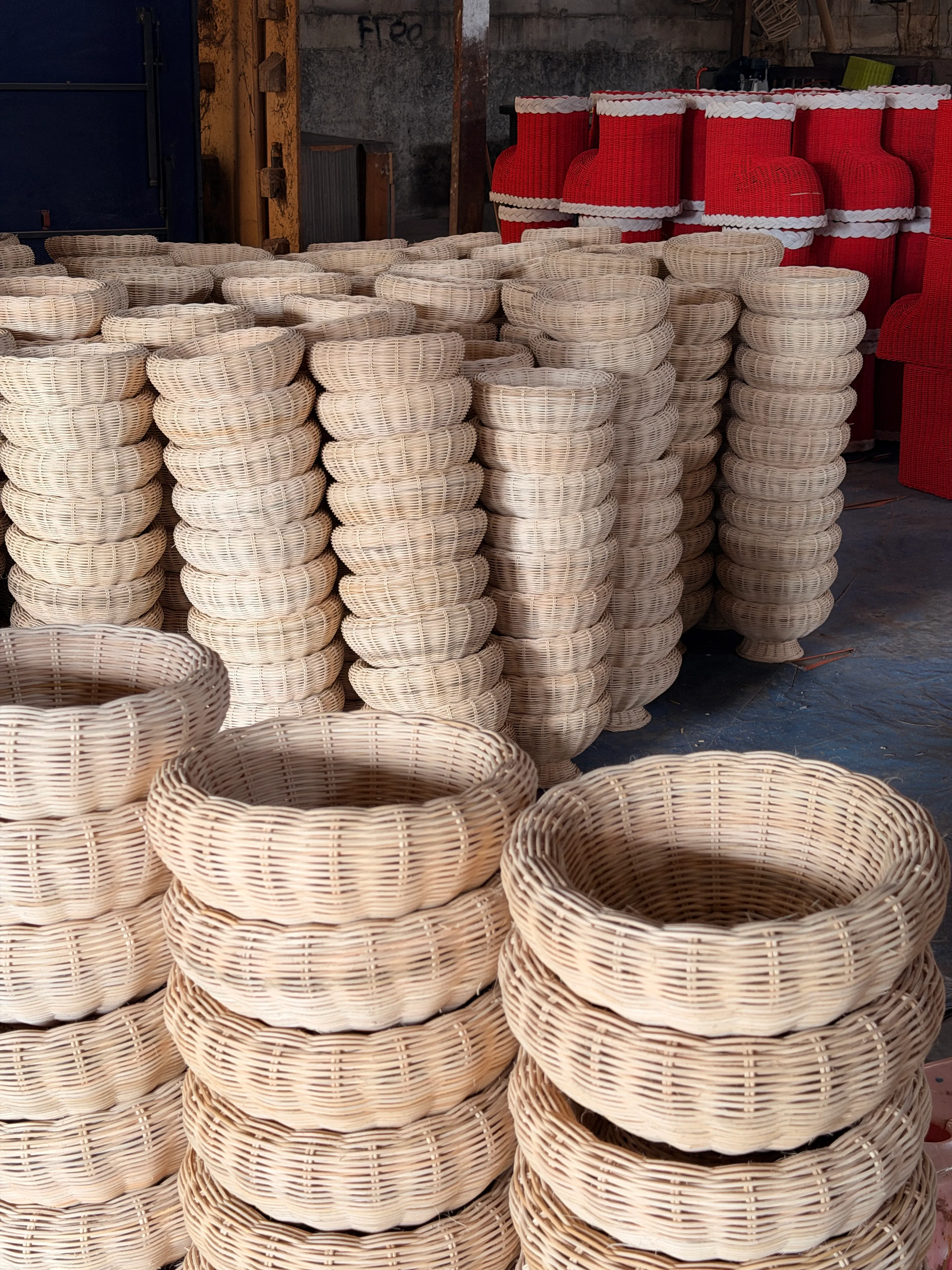
Rattan Guide | November 18, 2026
Not all rattan furniture is made entirely from natural rattan. Some products use natural rattan poles and woven fibers, while others incorporate synthetic strands, timber, metal, or upholstery. The term rattan furniture can therefore describe different material combinations, even when the finished products have similar appearances.
See DetailsSubcribe to our insight newsletter and be the first to receive the latest article and news updates form Tradeasia