
Buyer Guide | November 23, 2026
What Makes a Rattan Chair Comfortable for Long-Term Seating?
A comfortable rattan chair should provide good back support, enough sitting space, and a seat that remains comfortable over time.
See Details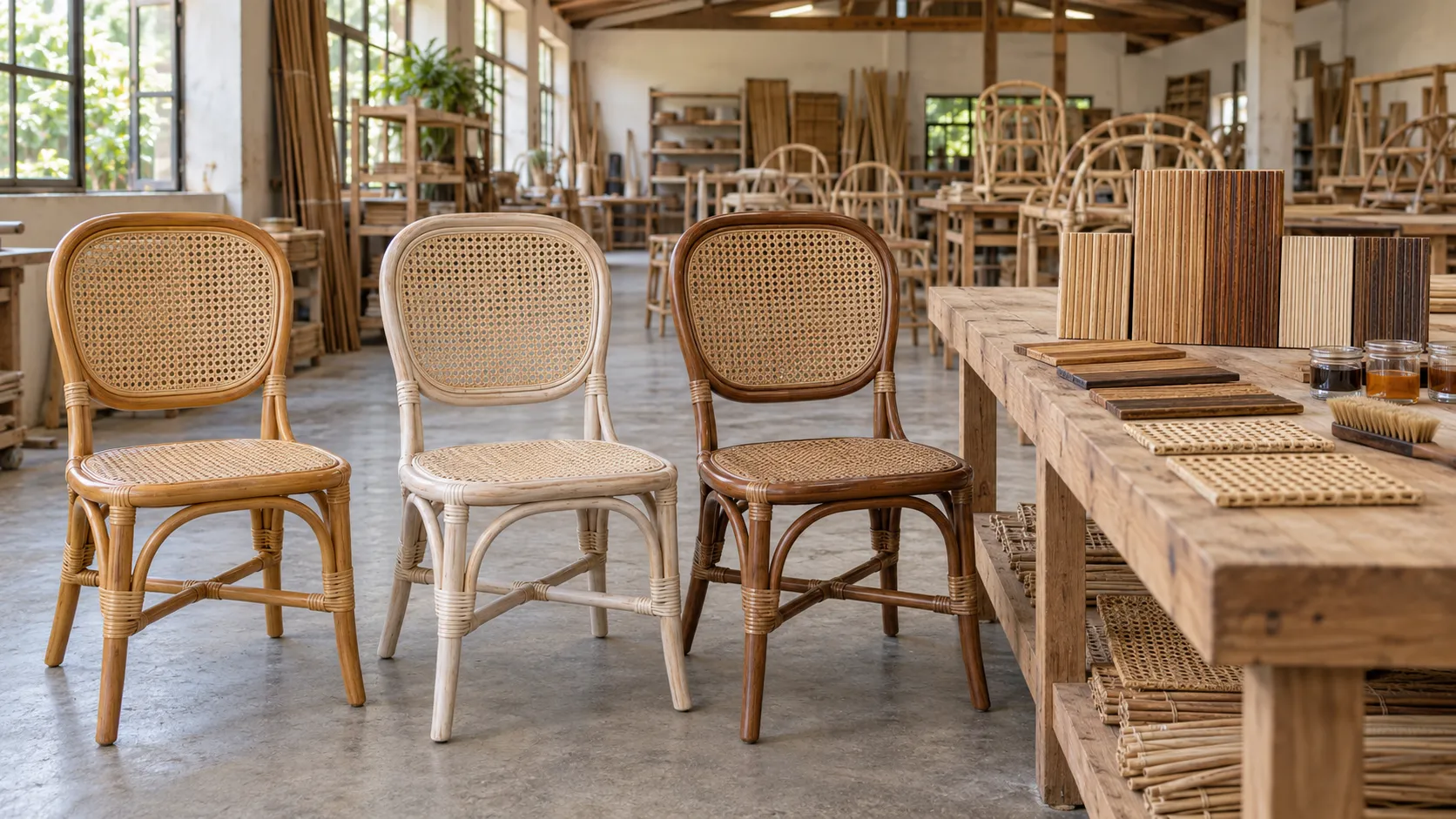
A custom rattan finish should be specified through an approved physical sample, documented coloring method, protective coating, and acceptable color variation before furniture production begins. A color name or reference photograph can communicate the intended appearance, but neither provides a complete manufacturing specification.
For hospitality and wholesale furniture buyers, this distinction is important. A supplier may successfully reproduce a requested color on one sample, yet deliver noticeable differences across a larger order. The problem is not always poor workmanship. It can also result from unclear material requirements, incomplete sample approval, or undefined production standards.
A reliable finish specification connects the buyer's design expectations with the manufacturer's actual production process.
Custom furniture projects often begin with an interior rendering, mood board, or photograph of an existing product. These references establish a visual direction but leave several manufacturing details unresolved.
For example, a designer may request a light walnut finish based on a photograph. That description does not establish whether the appearance should come from a translucent stain, a pigmented coating, or a particular starting color of rattan.
The underlying material matters because natural rattan has its own color and surface characteristics. Skin-on, peeled, polished, and bleached cane may respond differently to the same coloring treatment.
Before requesting samples, buyers should clarify three elements: the desired color, the amount of visible natural texture, and the preferred surface sheen.
These details help a manufacturer determine which preparation and finishing process is suitable. They also reduce the risk of developing a sample that matches the reference color but not the intended overall appearance.
A finish should be developed on the material that will actually be used in production.
Natural rattan furniture can contain different components, including whole poles, peel bindings, and processed cane used for woven sections. Each has distinct surface characteristics that may influence the final color.
A stain that appears even on a smooth pole may look darker within a tightly woven section. Similarly, a pale finish developed on bleached cane may not produce the same result on unbleached material.
This creates a potential problem when suppliers present color samples without identifying the underlying substrate.
Buyers should confirm whether the proposed finish has been tested on the same type and preparation of rattan intended for the ordered product.
If the furniture combines several rattan components, the sample should represent those components together. This is particularly important for dining chairs, lounge furniture, and decorative pieces where the frame and weaving remain visibly exposed.
Physical samples provide a more reliable basis for approval than digital references alone.
Pantone codes, RAL colors, and photographs can help communicate the desired shade. However, these references cannot fully represent natural cane variation, coating transparency, texture, or the way light reflects from a curved or woven surface.
The initial sample should therefore be treated as a stage of finish development rather than an automatic production standard.
For example, a buyer requesting a warm grey wash may receive a sample that appears suitable under daylight but looks noticeably brown under warm interior lighting. The color formula may be acceptable, while its appearance in the intended environment is not.
Reviewing samples under lighting comparable to the installation helps identify these differences early.
Buyers should also examine the complete finish, including the protective coating. A matte topcoat and glossy topcoat can make the same underlying color appear different.
For complex furniture, a finished product or representative construction sample is preferable to a flat material swatch.
Once the desired appearance is confirmed, the sample needs to become a controlled production reference.
Manufacturers and procurement teams often use the term golden sample for an approved product that serves as the benchmark for bulk manufacturing.
For natural rattan, however, the approved sample should define an expected appearance rather than imply that every finished piece must be visually identical.
Both buyer and manufacturer should identify the approved sample using a reference number, approval date, and relevant product details. Where practical, each party should retain a corresponding physical reference.
The approval should also document the material preparation, coloring method, topcoat, sheen, and any agreed revisions.
An important distinction is whether the sample was produced using the same materials and finishing process planned for bulk production.
A carefully prepared one-off sample demonstrates that a particular appearance is achievable. It does not necessarily demonstrate that the manufacturer can reproduce it consistently at commercial volume.
For larger projects, buyers can request a pre-production sample or initial production trial to confirm that the approved appearance remains achievable under normal manufacturing conditions.
Natural color variation is unavoidable, but acceptable variation should not be left entirely to interpretation.
Consider a restaurant ordering 100 custom-stained rattan dining chairs. Slight differences in cane undertones may be acceptable, while a mixture of noticeably reddish and dark-brown chairs may disrupt the intended interior design.
Both outcomes can arise even when the supplier uses the same nominal finish color.
A useful approval method establishes a preferred master sample together with lighter and darker boundary samples. These references show the range of variation the buyer is prepared to accept.
The specification can also distinguish variation within an individual chair from differences between chairs installed together.
Where numerical color tolerances are required, buyers should first confirm that the chosen measurement method is appropriate for the material and finish. Measuring a textured, multi-toned woven surface is not equivalent to measuring a smooth, uniformly painted panel.
For many natural-rattan applications, approved physical references and agreed visual inspection conditions may be more practical than relying on one color measurement.
The objective is to establish a standard that both parties can apply consistently.
Sample approval becomes more useful when the relevant manufacturing details are included in the order specification.
A complete custom rattan finish brief should record:
Material preparation: The approved cane condition and any required bleaching, peeling, or sanding.
Color reference: The approved sample number and any supporting Pantone or RAL reference.
Coloring method: Stain, wash, pigmented coating, or another agreed process.
Protective finish: Coating system, sheen, and relevant performance requirements.
Appearance tolerance: Approved color boundaries and unacceptable defects.
Production requirements: Coordinated finishing batches and reference records for future orders.
Approval procedure: Who must approve samples, changes, and production release.
These requirements should accompany the quotation or purchase order rather than remain scattered across emails and design discussions.
Changes also need a defined approval process.
If a manufacturer substitutes the cane preparation, coloring system, or protective coating after sample approval, the resulting appearance may change. The specification should require agreement on relevant changes before they are introduced into production.
Read more: What Is MOQ in B2B Furniture Sourcing?
Approving the finish does not remove the need for production quality control.
An initial production check can establish whether the factory is reproducing the approved appearance using its intended manufacturing process. This is particularly valuable when moving from a small development sample to a larger furniture order.
Buyers or their appointed inspectors should compare production pieces against the approved references. The inspection should consider overall color, sheen, coating coverage, and visible differences between frames and woven sections.
Edges, joints, and recessed areas deserve attention because they can reveal uneven coating application or excessive pigment accumulation.
For coordinated furniture sets, checking several pieces together may reveal variation that is less obvious when products are inspected individually.
Any unacceptable differences should be addressed before they affect a larger quantity of finished furniture.
The same approved reference should remain available for final inspection and future repeat orders, although later production may also require consideration of how the original furniture has aged.
Specifying a custom rattan finish requires more than approving a color sample. Buyers need to define the cane preparation, coloring method, protective coating, and acceptable variation to ensure the finished furniture meets their design expectations. Clear specifications and physical sample approval also help reduce inconsistencies between initial samples and bulk production. For hospitality and wholesale buyers, Rattan Tradeasia helps simplify this process by connecting buyers with suitable rattan furniture manufacturers and coordinating custom finish requirements, sample development, and production expectations. Whether sourcing whitewashed, stained, natural, or custom-colored furniture, buyers can work with Rattan Tradeasia to turn their preferred finish into a practical sourcing specification before production begins.
Buyer Guide | November 23, 2026
A comfortable rattan chair should provide good back support, enough sitting space, and a seat that remains comfortable over time.
See Details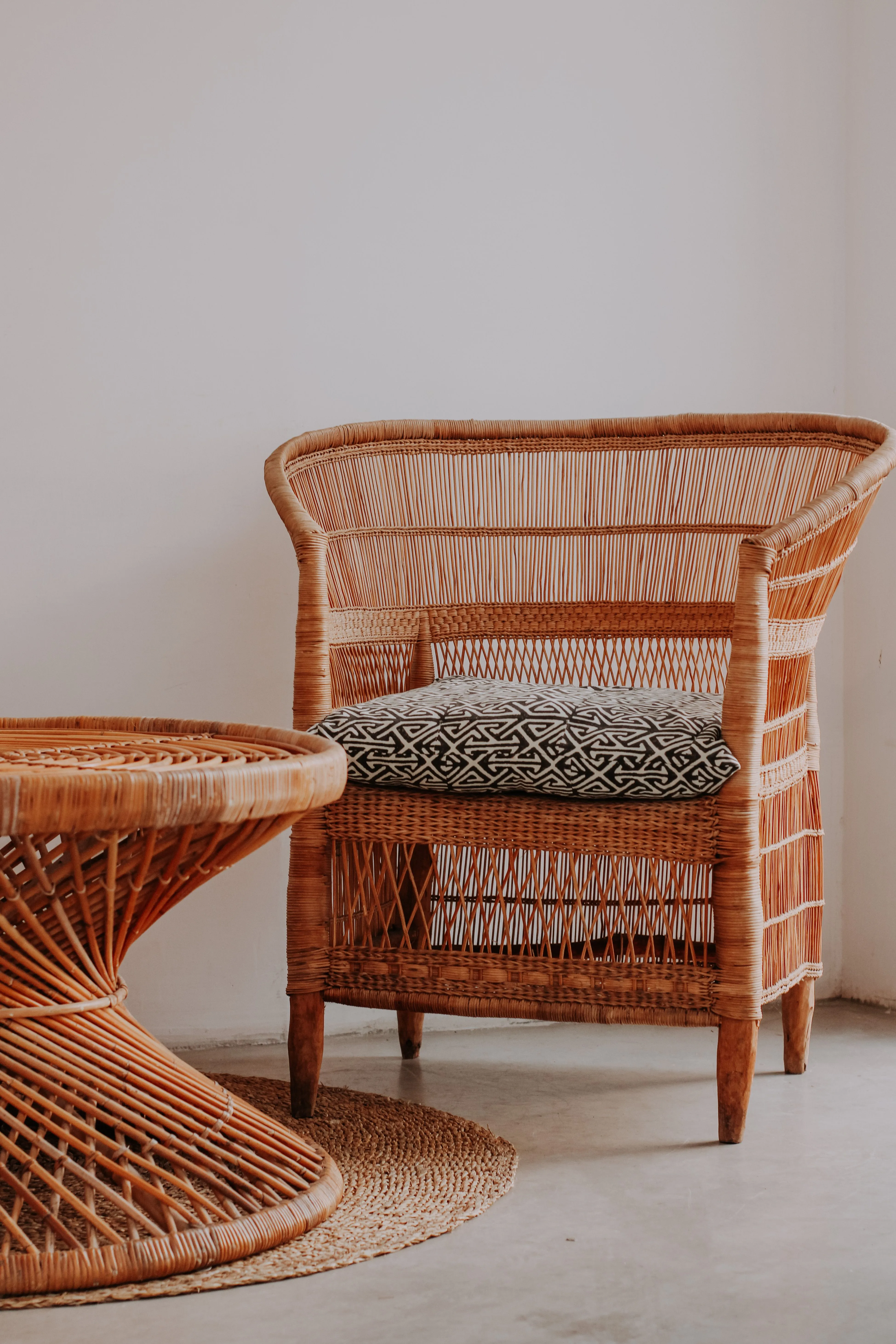
Rattan Guide | November 20, 2026
湾曲した籐家具のフレームは、適切な籐の棒を選択し、熱または蒸気で柔らかくし、型や治具の周りで曲げて必要な形状を達成することによって作られます。
See Details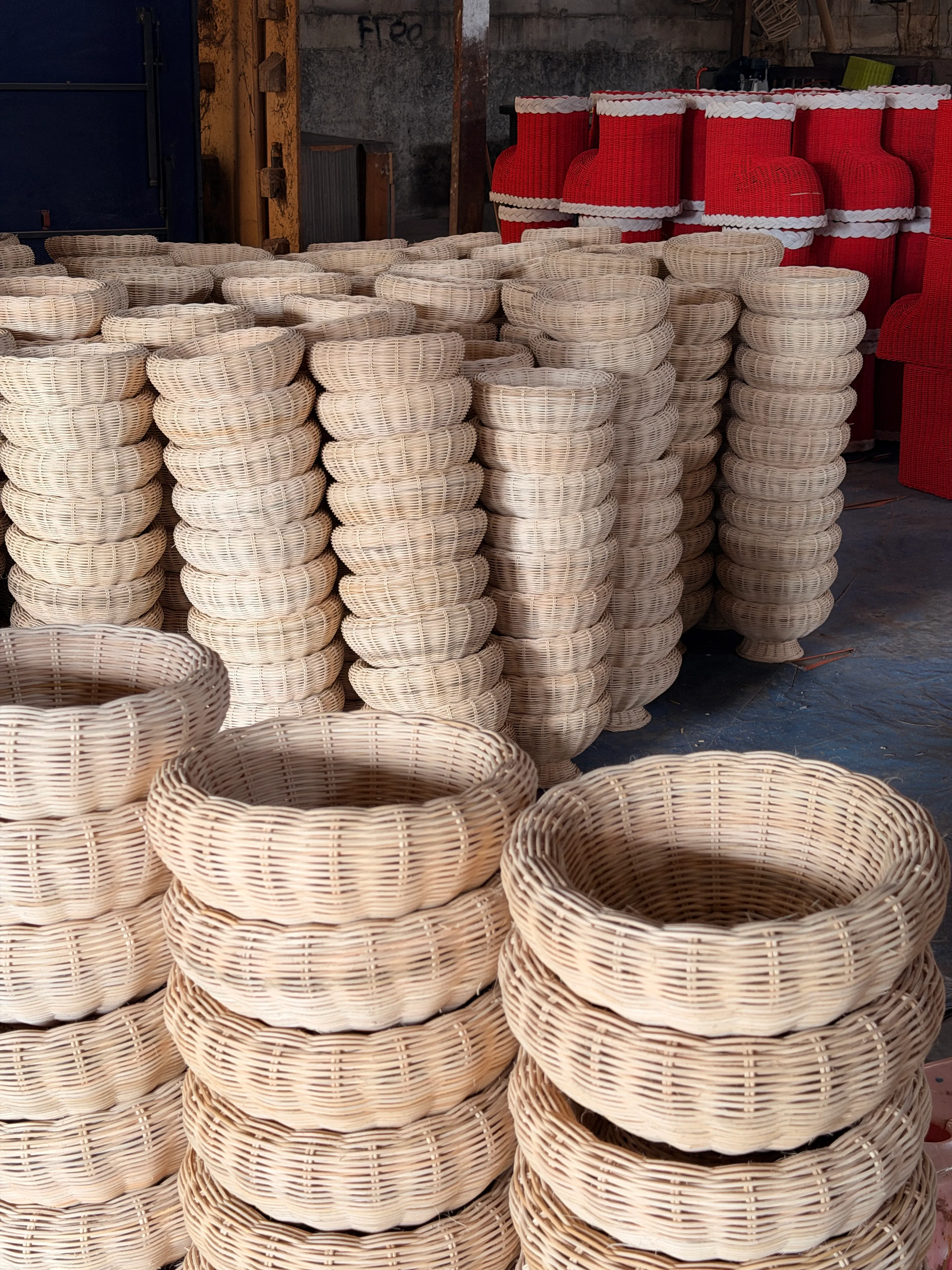
Rattan Guide | November 18, 2026
Not all rattan furniture is made entirely from natural rattan. Some products use natural rattan poles and woven fibers, while others incorporate synthetic strands, timber, metal, or upholstery. The term rattan furniture can therefore describe different material combinations, even when the finished products have similar appearances.
See DetailsSubcribe to our insight newsletter and be the first to receive the latest article and news updates form Tradeasia