
Buyer Guide | November 23, 2026
What Makes a Rattan Chair Comfortable for Long-Term Seating?
A comfortable rattan chair should provide good back support, enough sitting space, and a seat that remains comfortable over time.
See Details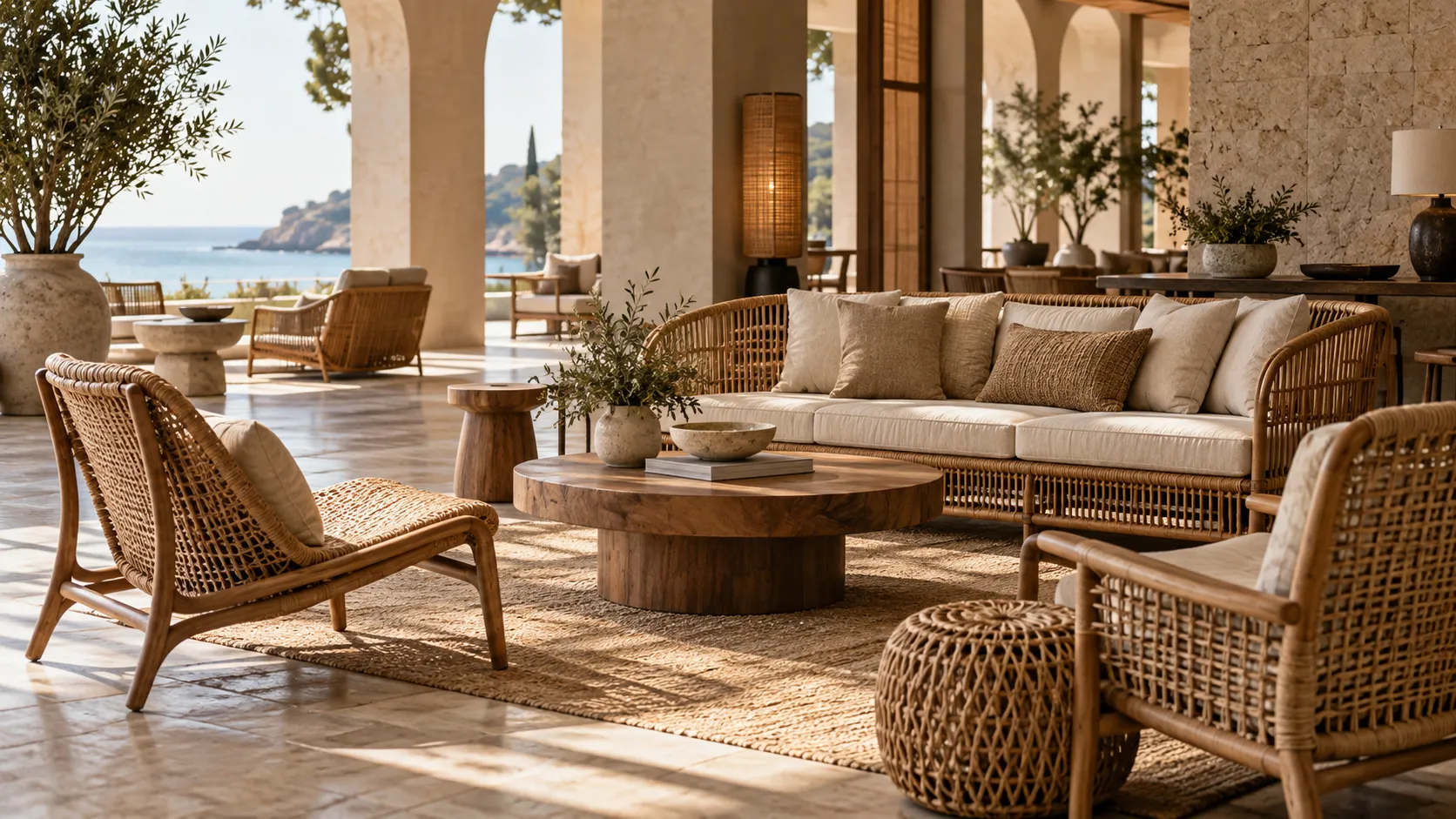
Factory-direct sourcing and trading companies offer different approaches to hotel furniture procurement, but neither automatically guarantees better quality or lower costs. The appropriate choice depends on the project's furniture requirements, manufacturing capabilities, and the level of coordination needed throughout production and delivery.
For hotels and resorts, sourcing rattan furniture often involves several product categories with different construction methods, materials, and specifications. Guestroom seating, lobby furniture, dining collections, and outdoor pieces may require different manufacturing expertise, making the supplier's capabilities more important than its business classification.
Factory-direct sourcing involves purchasing furniture from the manufacturer responsible for producing it, allowing buyers to communicate directly about product specifications, materials, customization, and production schedules. This approach can be particularly useful when the furniture design is standardized and the manufacturer can handle most of the required products.
A trading company, on the other hand, sources furniture from one or more manufacturers and may coordinate product development, quality inspections, documentation, and international shipments. The distinction is not always absolute, as manufacturers sometimes outsource certain production processes while trading companies may maintain long-term relationships with specialized workshops.
The practical difference lies in how manufacturing and procurement responsibilities are managed rather than simply whether an intermediary is involved.
Factory-direct sourcing is particularly relevant for hotel projects requiring substantial quantities of repeated furniture designs. A hotel furnishing 150 guestrooms with identical rattan lounge chairs, for example, may benefit from working with a single manufacturer capable of maintaining consistent dimensions, weaving patterns, finishes, and upholstery across production batches.
Direct communication can also make technical discussions more efficient, especially when buyers need adjustments to frame construction, seating dimensions, or materials. However, purchasing directly from a manufacturer does not necessarily eliminate other procurement responsibilities. Quality inspections, shipment arrangements, and coordination with external component suppliers may still require involvement from the hotel's procurement team or appointed partners.
Trading companies become useful when a hotel project requires different types of furniture that may not be produced efficiently by one manufacturer. A resort, for example, might need natural-rattan headboards, woven lounge chairs, restaurant furniture, and synthetic-rattan outdoor seating, each requiring different production capabilities.
Rather than managing several manufacturers independently, the hotel can work with a trading company that coordinates sourcing, sample development, production schedules, and shipment arrangements. This can simplify communication and help maintain consistency across furniture collections, although the extent of these services depends on the trading company's actual responsibilities.
For projects involving multiple product categories, the value of a trading company often comes from coordinating different production activities rather than simply supplying furniture.
Furniture quality depends primarily on material suitability, construction methods, and manufacturing control rather than whether the product comes directly from a factory or through a trading company. Natural rattan, for instance, is generally more appropriate for dry indoor environments, while suitably specified synthetic rattan is often preferred for exposed outdoor applications.
Beyond material selection, frame stability, weaving consistency, joint construction, and finishing quality influence how furniture performs under repeated hospitality use. A manufacturer may control these processes internally, whereas a trading company may coordinate quality requirements across several producers. Both approaches can deliver consistent results when specifications, sample approvals, and inspection responsibilities are clearly established.
Factory-direct sourcing is often associated with lower prices because fewer intermediaries are involved, but the initial product quotation does not necessarily represent the complete procurement cost. International hotel furniture sourcing may involve sample development, inspections, packaging, transportation, insurance, customs clearance, and local delivery, depending on the agreed service scope.
A trading company may include several of these activities within its quotation, while a manufacturer may leave certain arrangements to the buyer. Consequently, a lower unit price does not always translate into lower overall expenditure, particularly when the project involves several production locations or requires shipment consolidation.
The more meaningful comparison is the total cost of obtaining approved furniture at the required destination, including the coordination responsibilities that remain with the hotel.
Hotel furniture delivery involves more than completing production because the arrival of individual products does not necessarily mean that guestrooms or public areas are ready for installation. A hotel requiring four furniture pieces across 40 guestrooms, for example, would need 160 items in total. If eight chairs were delayed, 95% of the furniture quantity would have arrived, but only 80% of the rooms could receive their complete furniture package.
This distinction becomes important for hotel openings and phased renovations, where missing furniture can affect the readiness of particular rooms or areas. Direct manufacturers may have stronger visibility over their own production schedules, while trading companies may coordinate deliveries from several producers. In either case, effective delivery planning depends on aligning manufacturing schedules with shipment, receiving, and installation requirements.
Hotels can combine both sourcing models when different furniture categories require different manufacturing capabilities. Standardized guestroom furniture might be purchased directly from a specialized manufacturer, while decorative collections or smaller product quantities are sourced through a trading company.
This hybrid approach allows buyers to match each product category with appropriate production expertise without relying entirely on one supplier structure. However, working with multiple sources also requires coordination to maintain consistency in finishes, upholstery, specifications, and delivery schedules, particularly when furniture from different manufacturers will be installed within the same interior.
Choosing between factory-direct sourcing and a trading company depends on the complexity of the hotel project rather than the supplier category itself. Factory-direct purchasing may offer advantages for standardized furniture and large production volumes, while trading companies can provide greater flexibility when multiple manufacturers and product categories are involved.
For hotel rattan furniture, material suitability, manufacturing consistency, total procurement costs, and delivery coordination matter more than the sourcing model alone. However, hotels do not necessarily need to manage every aspect of sourcing independently. Rattan Tradeasia offers a practical sourcing option for hospitality projects, helping buyers explore rattan furniture collections, customization possibilities, and procurement requirements through a single point of contact. This allows hotel teams to focus on selecting furniture that meets their design and operational needs without having to coordinate every sourcing detail themselves.
Buyer Guide | November 23, 2026
A comfortable rattan chair should provide good back support, enough sitting space, and a seat that remains comfortable over time.
See Details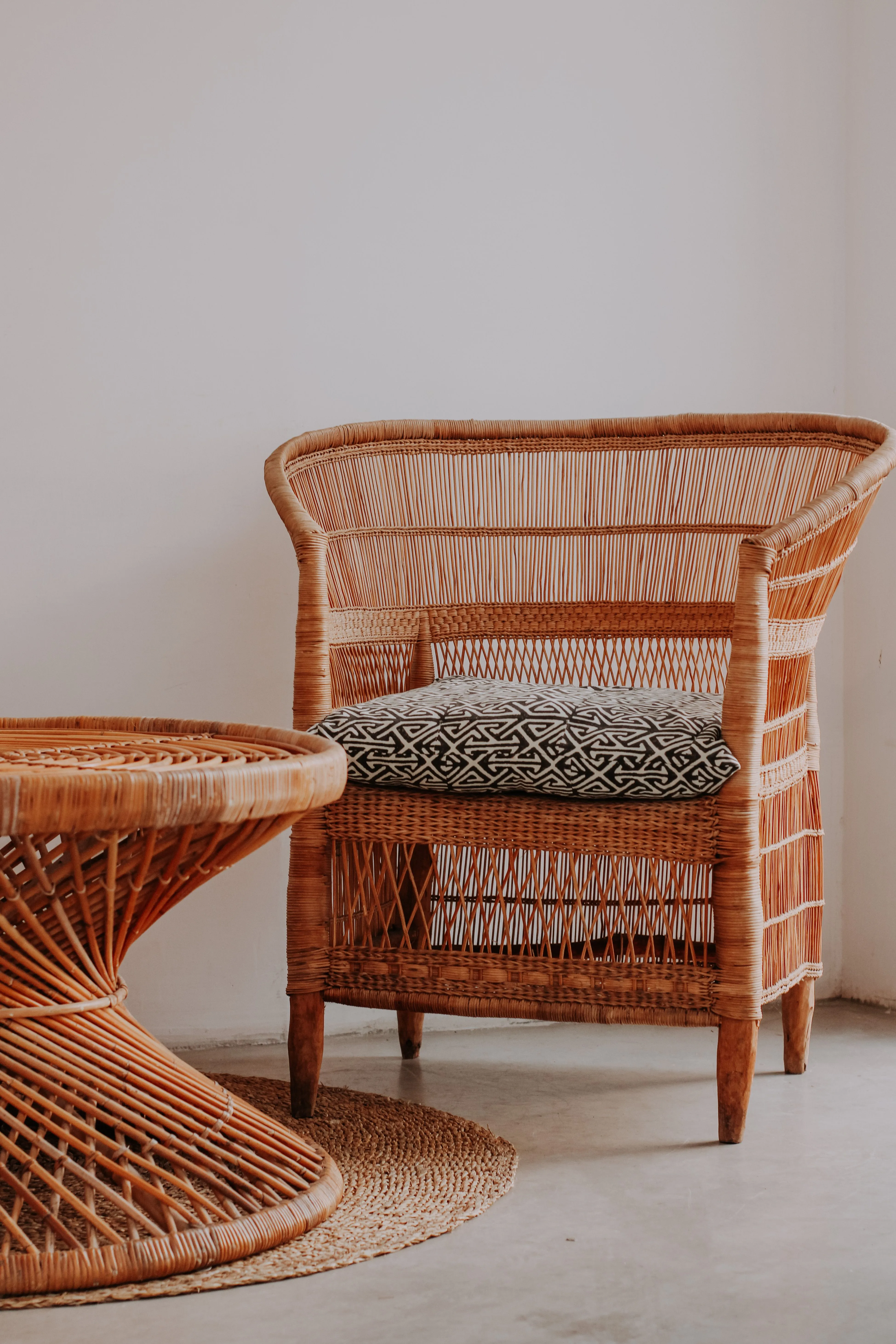
Rattan Guide | November 20, 2026
湾曲した籐家具のフレームは、適切な籐の棒を選択し、熱または蒸気で柔らかくし、型や治具の周りで曲げて必要な形状を達成することによって作られます。
See Details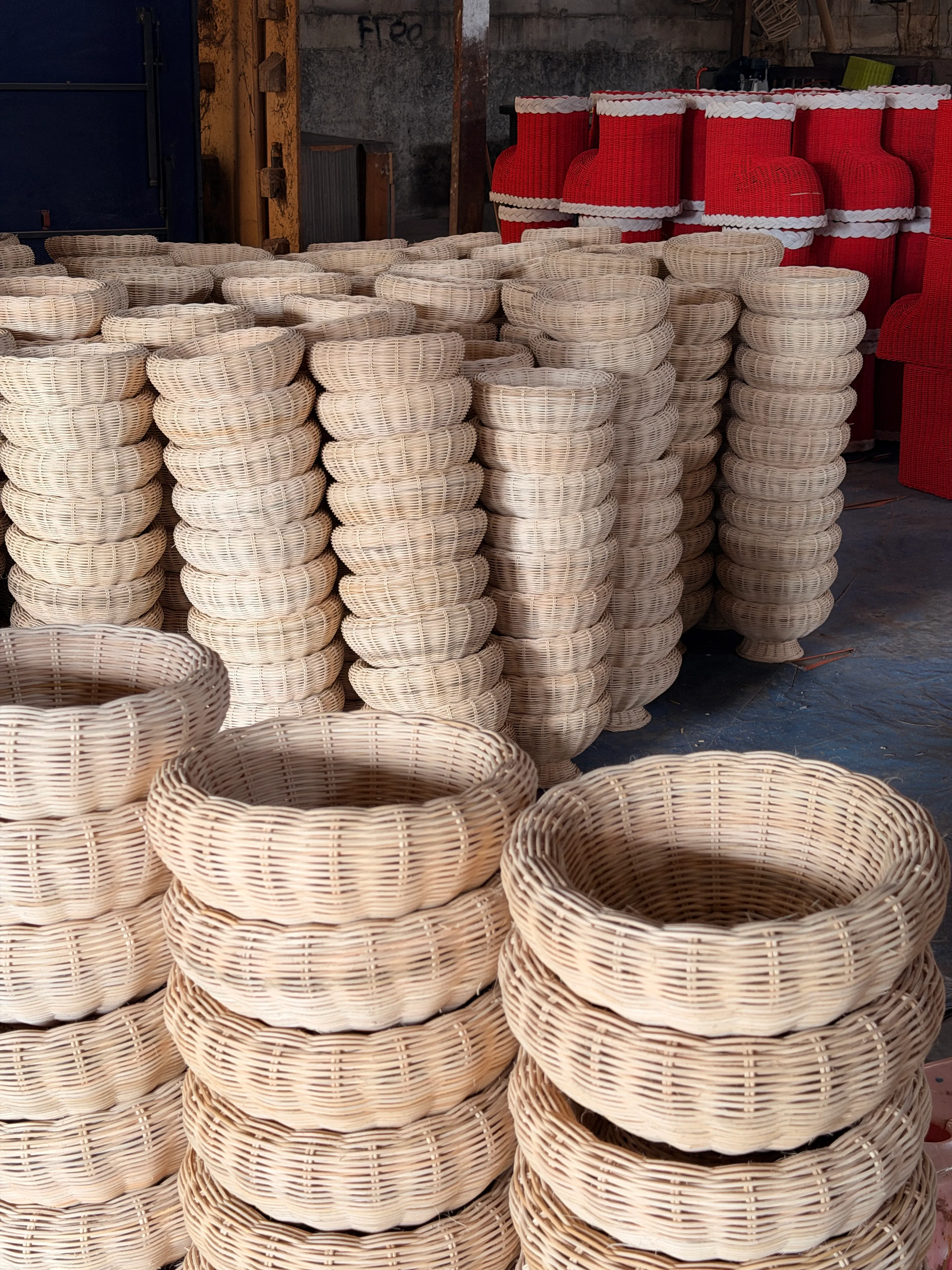
Rattan Guide | November 18, 2026
Not all rattan furniture is made entirely from natural rattan. Some products use natural rattan poles and woven fibers, while others incorporate synthetic strands, timber, metal, or upholstery. The term rattan furniture can therefore describe different material combinations, even when the finished products have similar appearances.
See DetailsSubcribe to our insight newsletter and be the first to receive the latest article and news updates form Tradeasia