
Buyer Guide | 23 November 2026
What Makes a Rattan Chair Comfortable for Long-Term Seating?
A comfortable rattan chair should provide good back support, enough sitting space, and a seat that remains comfortable over time.
See Details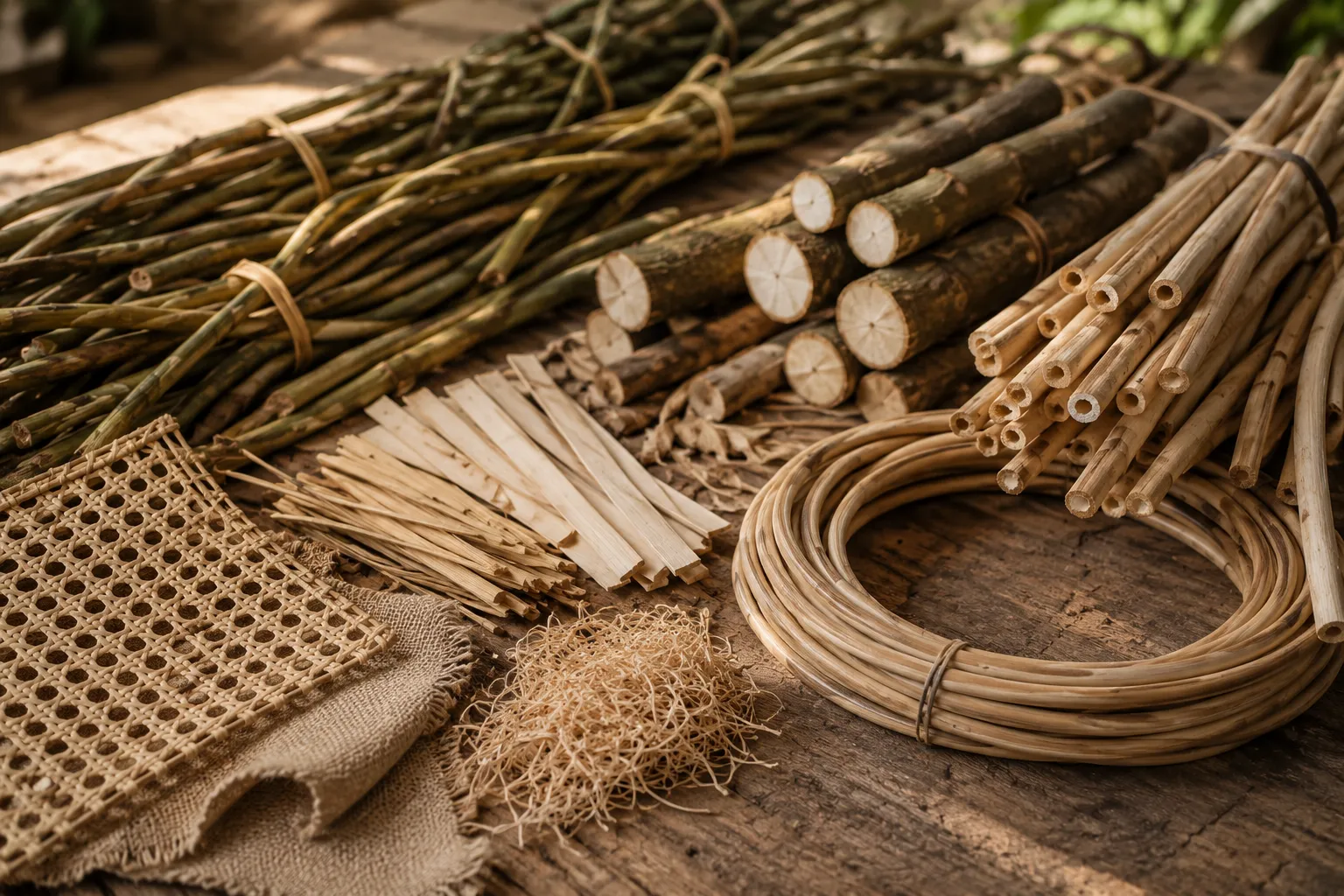
Rattan is one of nature's most remarkable renewable resources, often referred to as the 'wood of the future.' Unlike timber trees, rattan is a climbing palm that thrives in the dense canopies of tropical rainforests. For buyers and manufacturers, understanding how rattan grows is essential for appreciating its value, sustainability, and unique properties. This article takes you deep into the tropical rattan forest, explaining the biology, growth cycle, and harvesting process of this extraordinary rainforest vine.
Throughout the article, we will explore the journey from a tiny seed to a mature vine, the ecological role of rattan in its natural habitat, and the careful rattan harvesting techniques that ensure its sustainability. Whether you are a seasoned buyer or new to the industry, this comprehensive guide will deepen your understanding of the rattan palm plant and its transformation into a prized raw material.
Rattan belongs to the subfamily Calamoideae, with over 600 species distributed across tropical regions of Africa, Asia, and the Americas. The rattan palm plant is a climbing palm that relies on support from surrounding trees. Its stems, known as canes, can grow up to 100 meters in length, making them the longest climbing plants in the world. Unlike wood from trees, rattan canes are solid and uniform in diameter along their length, which is why they are ideal for furniture making.
The growth of rattan begins with a seed. Under the right conditions—high humidity, shade, and rich organic soil—the seed germinates and develops a slender shoot. The young rattan plant initially grows as a ground-dwelling rosette of leaves for several years. This stage is crucial for root establishment. Once matured, the plant begins to climb, producing whip-like shoots that reach for sunlight. The stem is covered with leaf sheaths and often armed with sharp spines, which aid in climbing and protect the plant from herbivores.
Key characteristics of the rattan palm plant:
Rattan is native to the tropical rattan forest, where it plays a vital role in the ecosystem. It grows in dense clusters, sometimes forming impenetrable thickets. The forest provides the shade and support necessary for rattan's climbing habit. Rattan vines contribute to forest biodiversity by offering food and shelter for animals. The fruits of some rattan species are eaten by birds, monkeys, and other wildlife, which disperse the seeds.
In the forest, rattan is often found growing alongside hardwood trees. Its climbing mechanism involves modified leaves, called cirri, and inflorescences that act as grappling hooks. Some species also have long, whip-like stems with backward-facing spines that catch onto branches. This adaptation allows rattan to ascend rapidly toward the canopy, where it can photosynthesize more effectively.
The unsustainable harvesting of wild rattan has led to concerns about overexploitation. However, when managed properly, rattan harvesting can be done without damaging the forest. Sustainable harvesting involves selectively cutting mature canes while leaving the root system intact, allowing the plant to regrow. This practice is crucial for maintaining the health of the tropical rattan forest and ensuring a steady supply for the industry.
Rattan harvesting is a skilled labor-intensive process that requires knowledge of the plant's growth cycle. Harvesters must identify mature canes, which are typically 6 to 15 years old, depending on the species. The canes are cut near the base and carefully pulled down from the trees. Because rattan is often intertwined with other vegetation, harvesters must take care not to damage the surrounding forest.
The timing of harvest is critical. Harvesting during the dry season is preferred because the canes contain less moisture, making them lighter and easier to transport. After cutting, the canes are often transported to a processing facility where they are cleaned of leaf sheaths and spines. The outer skin may be peeled to reveal the smooth inner core, or the cane may be left whole for different applications.
Benefits of sustainable rattan harvesting:
Once harvested, rattan undergoes several processing steps before it becomes the raw material used by manufacturers. The first stage is cleaning, where the outer layer of leaf sheaths and spines is removed. This is often done manually using knives or by dipping the canes in water to soften the sheaths. After cleaning, the canes are dried in the sun to reduce moisture content to around 12-14%. Drying prevents mold and insect attacks.
Next, the canes may be split into various sizes using a rattan splitting machine. For furniture making, the canes are often peeled to expose the inner core (known as peeled rattan) or left as whole cane. The strips can be woven or bent into shapes. Rattan's natural flexibility makes it easy to bend using heat or steam. This property allows artisans to create intricate furniture designs that are both strong and lightweight.
Quality control is an essential part of processing. Buyers should look for rattan that is evenly colored, free from cracks, and has a consistent diameter. The best rattan comes from sustainably managed forests, and certifications such as FSC (Forest Stewardship Council) can attest to this. Understanding these processing steps helps buyers assess the quality of raw material they are purchasing.
The rattan industry faces challenges related to exploitation and deforestation. Unsustainable harvesting practices, such as cutting entire plants or harvesting immature canes, can deplete natural populations. However, when managed correctly, rattan is one of the most sustainable materials available. Its rapid growth and ability to regenerate make it an excellent alternative to hardwoods.
In recent years, certification programs and government regulations have been implemented to promote sustainable rattan harvesting. Buyers can support these efforts by sourcing from certified suppliers. Additionally, plantation-based rattan farming is gaining traction, reducing pressure on wild populations. Plantation rattan is grown in managed settings, often intercropped with other trees, providing a controlled and consistent supply.
As a buyer, it is important to ask your suppliers about their harvesting practices. Look for transparency in the supply chain. By choosing sustainably sourced rattan, you not only ensure product quality but also contribute to the conservation of tropical forests and the livelihoods of local communities.
Rattan's journey from a humble seed in the tropical rattan forest to a versatile raw material is a testament to nature's ingenuity. Understanding how rattan grows—its biology, habitat, and the careful harvesting process—enables buyers to make informed decisions. The rattan palm plant is not just a rainforest vine; it is a sustainable resource that supports economies and ecosystems. By prioritizing responsible sourcing, the industry can ensure that rattan remains available for generations to come. Whether you are purchasing for furniture, crafts, or construction, the story of rattan adds value and meaning to every piece made from this remarkable material.
Buyer Guide | 23 November 2026
A comfortable rattan chair should provide good back support, enough sitting space, and a seat that remains comfortable over time.
See Details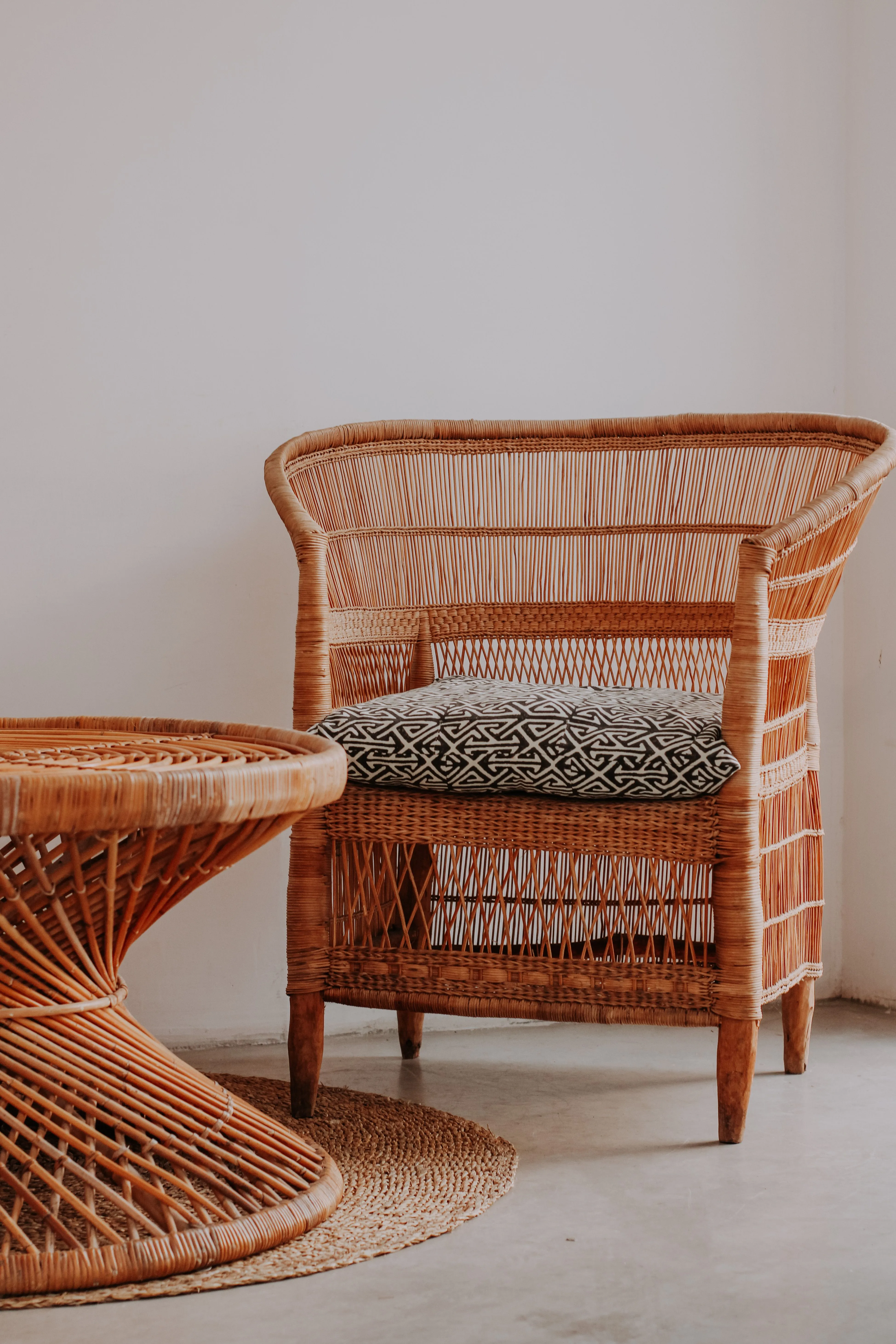
Rattan Guide | 20 November 2026
Rangka furnitur rotan melengkung dibuat dengan memilih tiang rotan yang sesuai, melunakkannya dengan panas atau uap, dan membengkokkannya di sekitar cetakan atau jig untuk mencapai bentuk yang diinginkan.
See Details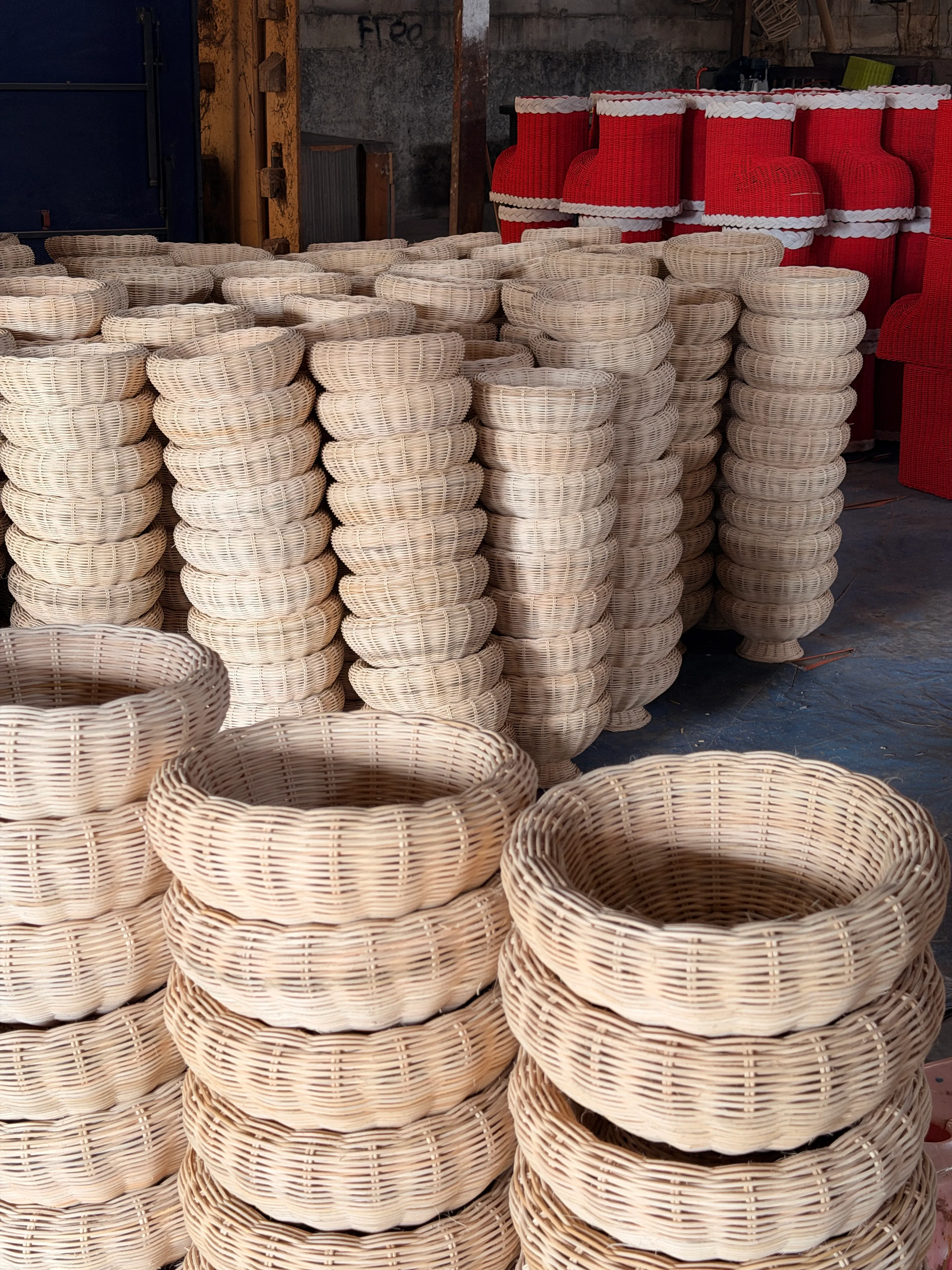
Rattan Guide | 18 November 2026
Not all rattan furniture is made entirely from natural rattan. Some products use natural rattan poles and woven fibers, while others incorporate synthetic strands, timber, metal, or upholstery. The term rattan furniture can therefore describe different material combinations, even when the finished products have similar appearances.
See DetailsSubcribe to our insight newsletter and be the first to receive the latest article and news updates form Tradeasia