
Buyer Guide | November 23, 2026
What Makes a Rattan Chair Comfortable for Long-Term Seating?
A comfortable rattan chair should provide good back support, enough sitting space, and a seat that remains comfortable over time.
See Details
Even when craftsmen follow the same weaving pattern, slight differences may appear in strand alignment, spacing, or tension.
These differences are especially noticeable around curved fraHandmade rattan furniture involves skilled manual work in shaping, assembling, weaving, and finishing furniture components. However, handmade does not necessarily mean that every production stage is completed without machinery. Many workshops combine traditional craftsmanship with cutting tools, bending equipment, and organized manufacturing processes.
For furniture buyers, understanding what handmade actually involves helps explain product variations, construction quality, and what to expect when ordering handcrafted furniture in commercial quantities.
The amount of manual work depends on the furniture design, materials, and manufacturing techniques. Some products feature hand-shaped frames and individually woven surfaces, while others combine handcrafted components with prepared materials.
Rattan poles commonly form the structural frames of chairs, tables, and other furniture. Craftsmen select, prepare, and assemble these components according to the intended design.
Suitable poles can be heated or steamed to make bending easier. Molds and templates may help maintain consistent shapes, while craftsmen manually align components and secure connections.
Rattan weaving is among the most recognizable forms of handmade furniture production. Craftsmen interlace flexible strands to create chair seats, backrests, decorative panels, and other woven surfaces.
Each rattan weave pattern requires control over strand placement, tension, and spacing. Open patterns create visible gaps, while tighter weaving produces denser surfaces. Curved furniture may require additional adjustments to maintain the intended pattern around corners and edges.
Binding is another manual activity. Narrow rattan strips may be wrapped around joints to secure or cover connections, depending on the design.
Different materials serve different purposes. Rattan core is commonly processed into weaving strands, while rattan peel, obtained from the outer stem, can be used for wrapping and binding. Rope-like materials may also appear in furniture, but natural rattan strips, textile rope, and synthetic rope should not be treated as identical materials.
Not all woven surfaces are created directly on furniture frames. Some manufacturers install prewoven cane webbing, which is produced separately.
No. Machinery can assist production without eliminating the handcrafted characteristics of rattan furniture.
Workshops may use powered equipment for cutting, drilling, sanding, and material preparation. Craftsmen then perform activities requiring manual judgment, including frame assembly, weaving, binding, and detailed adjustments.
For example, a chair may use machine-cut frame components while its backrest is woven by hand.
The distinction lies in which activities require direct craftsmanship, not simply whether machinery is present. Two furniture products described as handmade may involve different levels of manual work.
Handmade rattan furniture often displays subtle differences because both natural materials and manual techniques influence the finished product.
Variation in Rattan Weave Patternsmes and detailed woven edges. While small variations may be acceptable, loose strands, poorly secured ends, and irregular construction should not automatically be considered features of handmade craftsmanship.
Buyers ordering matching furniture should establish an approved weaving reference before production.
Natural rattan varies in color, diameter, and texture. Different components may display lighter or darker tones even when sourced from the same material category.
Manufacturers can apply stains, paints, or protective coatings to achieve a particular appearance. Transparent finishes preserve more of the natural texture, while opaque coatings create a more uniform color.
For commercial orders, specifying a desired color is only the beginning. Buyers should also consider the material preparation, coating type, and acceptable variation.
Finishing involves preparing the furniture's surface and applying the selected treatment. Depending on the manufacturing process, workers may trim loose fibers, smooth rough edges, inspect woven areas, and prepare components for coating.
Finishing may combine manual work with spray equipment or powered sanding tools.
A well-executed rattan finish should meet the approved appearance requirements while avoiding visible defects such as uneven coating, sharp fibers, or poorly finished edges.
The finished appearance alone does not reveal how much manual work occurred during production.
Handmade production is not limited to individual furniture pieces. Workshops can organize activities across specialized craftsmen, with different workers handling frames, weaving, binding, and finishing.
This approach supports repeated production while retaining manual craftsmanship.
However, production capacity depends on design complexity, available labor, material supply, and required workmanship. A simple woven chair may take less time to produce than a lounge chair with intricate weaving and detailed bindings.
For wholesale buyers, the relevant question is whether the manufacturer can reproduce approved specifications consistently across the requested quantity.
The handmade designation does not automatically guarantee quality. Buyers should examine the construction and workmanship of the actual product.
Important considerations include:
Frame stability: Check whether joints and structural connections are secure.
Weaving consistency: Examine strand tension, spacing, and exposed ends.
Material specifications: Confirm whether the product uses natural rattan poles, core, peel, or other materials.
Surface finishing: Compare color, coating, and texture against approved samples.
Production consistency: Establish acceptable dimensional and appearance variations for repeated orders.
Handmade rattan furniture reflects skilled manual work rather than the complete absence of machinery. Frame construction, weaving, binding, and finishing can involve craftsmanship, while tools and equipment support material preparation and production consistency.
Understanding these differences helps buyers assess how furniture is manufactured, recognize acceptable natural variations, and establish clearer requirements for commercial orders.
Rattan Tradeasia connects international buyers with rattan furniture and natural-material products for retail, hospitality, and commercial applications. Whether you are sourcing existing designs or exploring customized furniture, Rattan Tradeasia supports product selection, supplier coordination, and discussions about specifications and order requirements.
Explore the available furniture collections or submit your sourcing requirements through Rattan Tradeasia to discuss suitable options for your business.
Buyer Guide | November 23, 2026
A comfortable rattan chair should provide good back support, enough sitting space, and a seat that remains comfortable over time.
See Details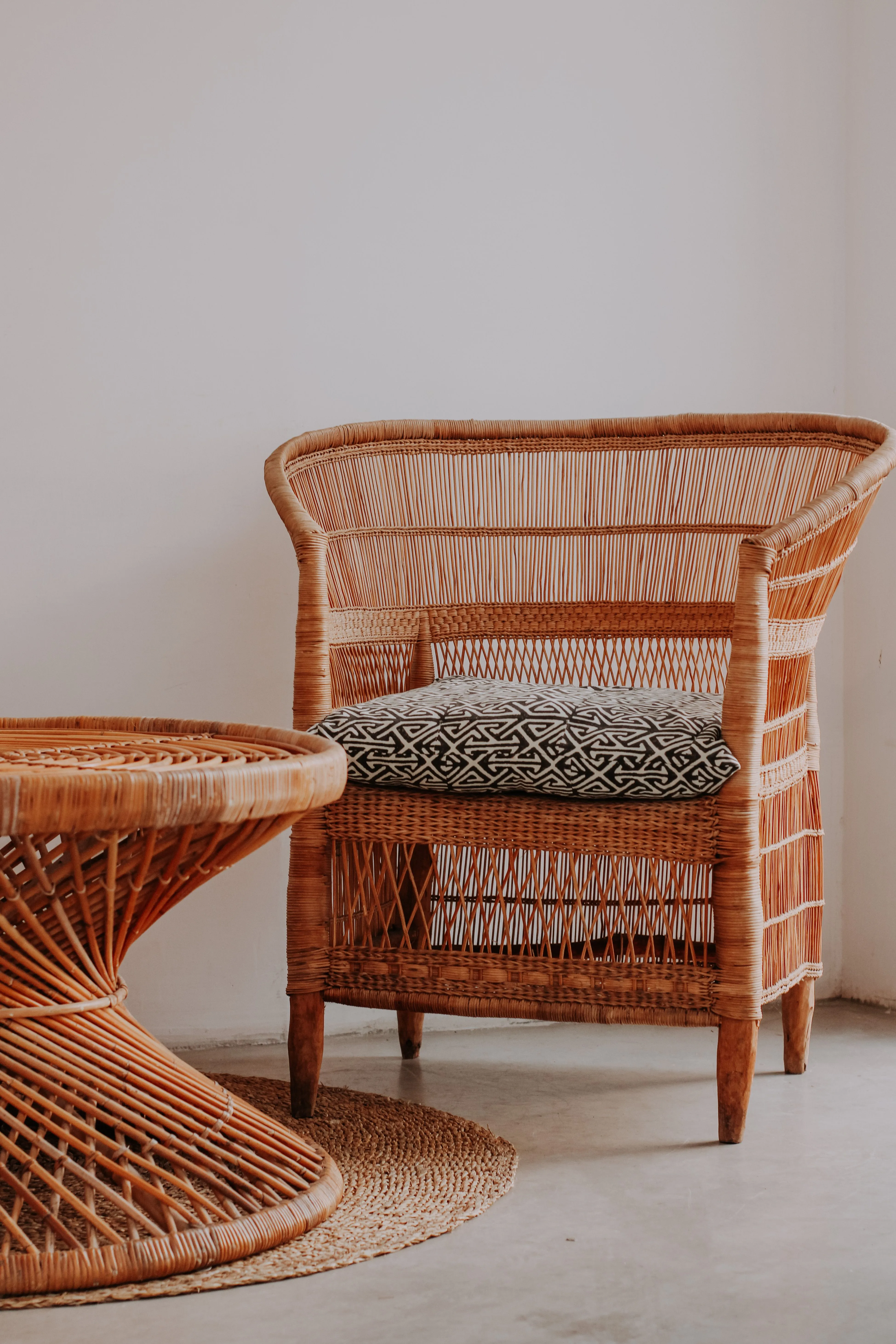
Rattan Guide | November 20, 2026
Les cadres de meubles en rotin incurvés sont fabriqués en sélectionnant des poteaux en rotin appropriés, en les ramollissant avec de la chaleur ou de la vapeur et en les pliant autour de moules ou de gabarits pour obtenir la forme requise.
See Details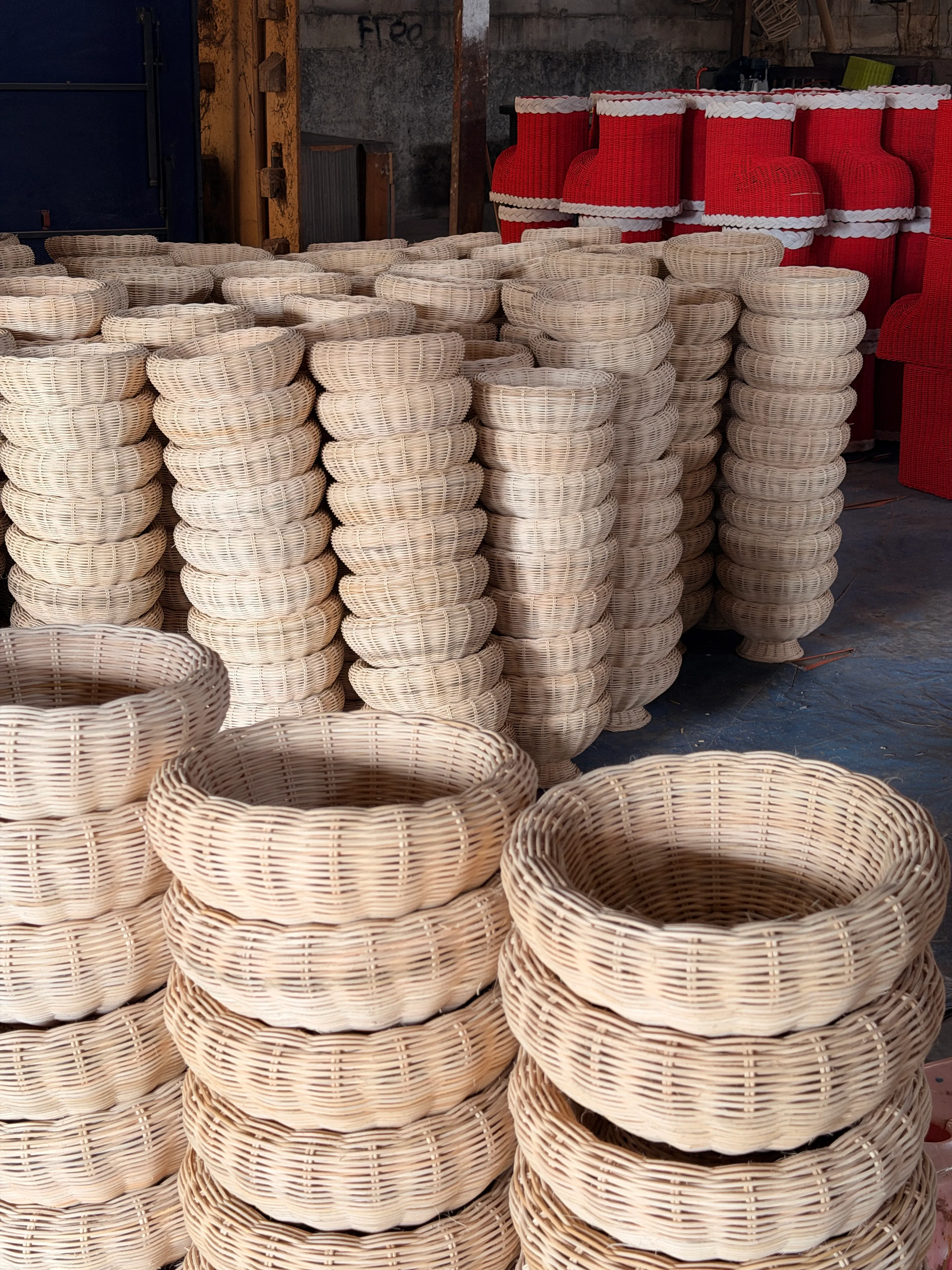
Rattan Guide | November 18, 2026
Not all rattan furniture is made entirely from natural rattan. Some products use natural rattan poles and woven fibers, while others incorporate synthetic strands, timber, metal, or upholstery. The term rattan furniture can therefore describe different material combinations, even when the finished products have similar appearances.
See DetailsSubcribe to our insight newsletter and be the first to receive the latest article and news updates form Tradeasia