
Buyer Guide | November 23, 2026
What Makes a Rattan Chair Comfortable for Long-Term Seating?
A comfortable rattan chair should provide good back support, enough sitting space, and a seat that remains comfortable over time.
See Details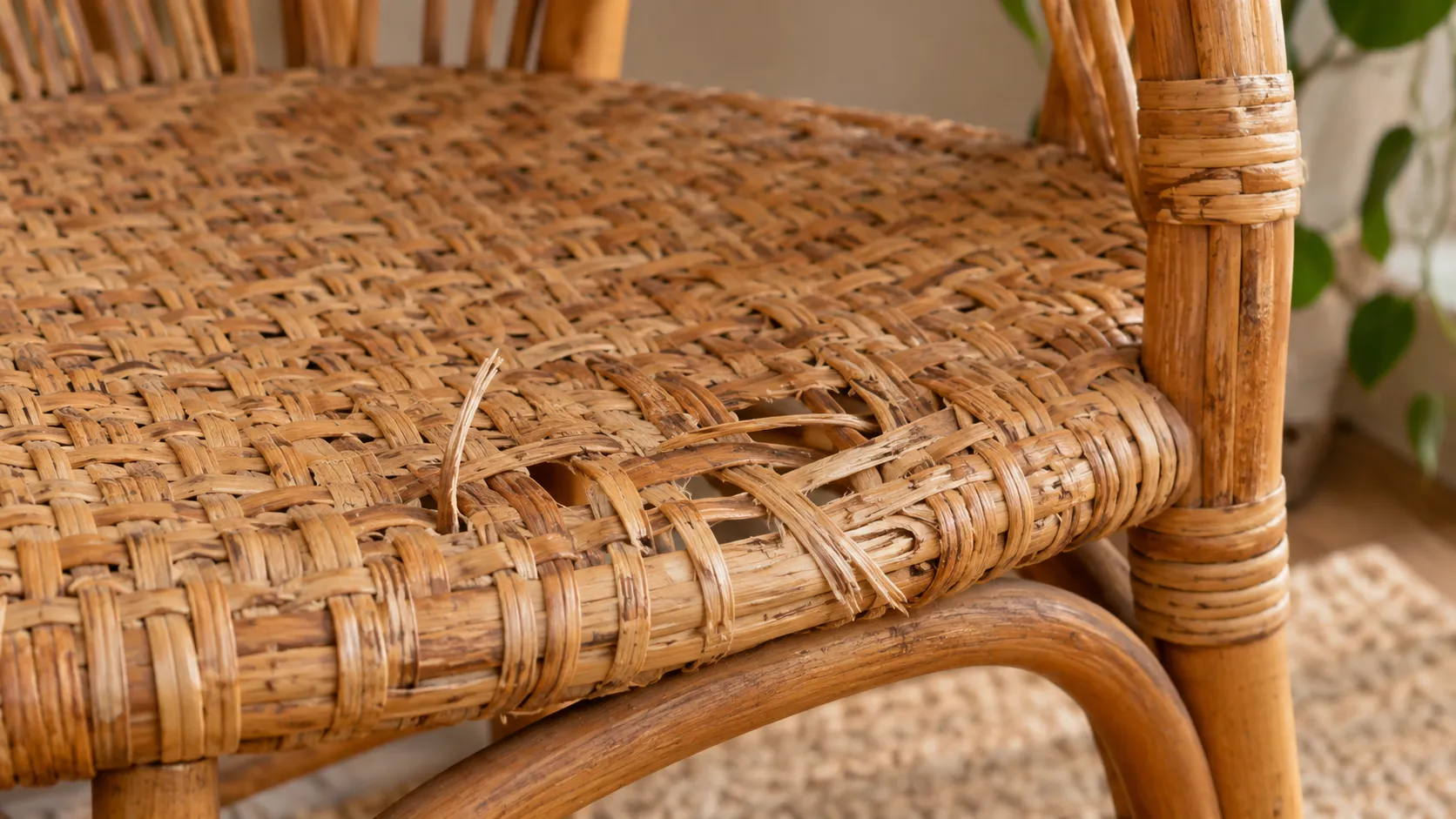
Rattan furniture can crack or split when natural fibers lose moisture, experience prolonged sunlight exposure, or undergo repeated stress during use. Changes in humidity, poor material preparation, and weak furniture construction can also contribute to damage. Small surface cracks do not always indicate structural failure, but deep splits in supporting frames, legs, or joints may make furniture unsafe to use.
Understanding these causes helps furniture owners identify damage, determine whether repairs are appropriate, and prevent further deterioration. For commercial buyers, the same information supports furniture quality inspections before bulk orders.
Natural rattan responds to changes in surrounding humidity by absorbing or releasing moisture. When the material becomes excessively dry, its fibers can shrink and lose flexibility, making them more vulnerable to cracking under pressure. Repeated changes between damp and dry conditions may also create stress within the material.
Prolonged sunlight exposure can accelerate surface deterioration. Ultraviolet (UV) radiation and heat can gradually affect the properties of natural plant materials, particularly when furniture is exposed to strong sunlight for extended periods. Furniture positioned near heating outlets, radiators, or sun-facing windows may therefore experience greater environmental stress.
Excessive moisture creates different problems. Rain exposure, prolonged dampness, and inadequate drying can encourage mold or biological deterioration. Repeated wetting and drying may also affect woven strands, protective finishes, and furniture connections.
Material quality and construction are equally important. Rattan that has been improperly dried or damaged during processing may be more susceptible to defects. The Food and Agriculture Organization's (FAO) research on rattan processing identifies proper seasoning as an important part of maintaining material quality.
Natural rattan should also be distinguished from synthetic rattan. Natural rattan is sensitive to moisture changes and environmental exposure, while synthetic polyethylene (PE) rattan can become brittle as its plastic material deteriorates through aging and prolonged UV exposure.
Rattan furniture frames commonly use round poles shaped into legs, armrests, backrests, and supporting structures. During manufacturing, selected poles can be heated or steamed to create curved furniture designs.
Splits may develop where stress concentrates around tight bends, fastener holes, or poorly supported joints. Repeated loading can worsen these weaknesses, particularly when a chair's frame does not adequately distribute weight.
For example, sitting heavily on an armrest or repeatedly applying pressure to an unsupported section can increase stress around its connections. A split near a supporting chair leg is generally more concerning than a superficial mark on a decorative frame component.
Manufacturing procedures also influence frame performance. Material selection, drying, bending, and joint assembly affect how furniture responds to regular use. A crack appearing around a connection may indicate a localized defect or a wider construction problem.
Buyers should therefore examine both the damaged pole and the surrounding joints rather than assuming every split results from environmental exposure.
Not every visible line on natural rattan represents structural damage. Growth marks, surface irregularities, and minor finish cracks can resemble splits without necessarily affecting furniture stability.
A surface crack generally appears as a fine line or localized defect without noticeable separation or movement. Structural damage is more concerning when a split extends deeply into a supporting pole, opens under pressure, or appears around a load-bearing connection.
Woven furniture components require separate attention. A broken decorative strand may create a localized appearance issue, whereas several damaged strands in a supporting seat can reduce its ability to carry weight.
Other warning signs include loose joints, excessive seat sagging, unusual frame movement, and sharp broken fibers that could cause injury.
Furniture showing deep structural splits, unstable connections, or significant seat damage should be removed from use until it has been properly assessed. This is particularly important for hotel, restaurant, and other commercial seating.
Some cracked or broken rattan furniture can be repaired, but the appropriate method depends on the location, severity, and function of the damaged component.
Minor surface damage may be addressed through compatible refinishing or localized repair. However, repairing the visible surface does not necessarily restore the material's original strength.
Broken woven strands can sometimes be replaced individually. A repair specialist may remove the damaged section and weave a matching natural rattan strand through the original pattern, securing it according to the furniture's construction. Matching the strand dimensions, weave pattern, and finish helps maintain a consistent appearance.
Structural frame damage requires greater caution. Although adhesives and reinforcement methods are used in some furniture repairs, filling or gluing a deeply split supporting pole does not automatically restore its load-bearing capacity. Professional assessment or component replacement may be necessary.
For commercial furniture, repair decisions should consider both appearance and continued safety. A chair with repaired woven details may remain usable when its supporting structure is sound, but furniture with compromised legs, joints, or seat supports should not return to service without appropriate evaluation.
Natural rattan furniture generally performs better in protected environments with relatively stable humidity and limited exposure to direct sunlight, excessive heat, or persistent dampness.
Avoid positioning furniture immediately beside radiators, fireplaces, heating outlets, or windows receiving prolonged intense sunlight. For outdoor or semi-outdoor settings, confirm that the furniture material and finish are appropriate for the expected weather exposure.
Cleaning should be gentle. Use a soft brush or lightly damp cloth to remove dust, and allow the furniture to dry naturally in a ventilated area. Avoid excessive soaking, harsh cleaning chemicals, and concentrated heat during drying.
Protective finishes may help reduce environmental exposure, but maintenance treatments should match the manufacturer's recommendations. Oils, varnishes, and sealants should not be applied indiscriminately because different finishes and construction materials may react differently.
Furniture use also affects durability. Avoid exceeding recommended loading limits, applying excessive pressure to armrests, or allowing heavy concentrated loads on unsupported woven sections.
Regular inspections should focus on curved poles, supporting joints, woven seats, and frequently handled areas. Identifying loose bindings, developing splits, or unusual movement early can help prevent minor defects from becoming more serious.
For additional maintenance practices, see How to Care for and Maintain Rattan Furniture.
For hospitality buyers and furniture importers, visible cracking can indicate problems with material preparation, frame construction, finishing, or handling during transportation.
Before approving a furniture sample, inspect curved poles, fastener locations, joints, and woven surfaces. Pay particular attention to load-bearing components and areas where several materials connect. Fine surface irregularities should be distinguished from splits that extend into the supporting structure.
Buyers should also clarify how manufacturers prepare and inspect their rattan materials. Suitable drying, bending, and finishing procedures are important because defects introduced during production may become more visible after repeated furniture use.
For woven furniture, examine strand consistency, attachment methods, and seat support. A visually consistent weave does not necessarily demonstrate adequate performance under regular loading.
A representative production sample provides an opportunity to review material quality, construction, and finishing before bulk manufacturing. For commercial seating, buyers should also agree on relevant performance requirements and inspection criteria.
Documenting unacceptable defects, such as deep frame splits, unstable joints, and damaged supporting weaves, can reduce disagreements during final inspection and help ensure that delivered furniture meets its intended use.
Rattan furniture can crack because of moisture changes, prolonged sunlight exposure, material deterioration, or stress around supporting frames and joints. While minor surface damage and broken decorative strands may be repairable, deeper structural splits require careful assessment.
Understanding these differences helps furniture owners maintain their pieces and allows commercial buyers to evaluate manufacturing quality more effectively. For furniture sourcing projects, Rattan Tradeasia can help buyers discuss material specifications, construction requirements, and suitable furniture applications.
Buyer Guide | November 23, 2026
A comfortable rattan chair should provide good back support, enough sitting space, and a seat that remains comfortable over time.
See Details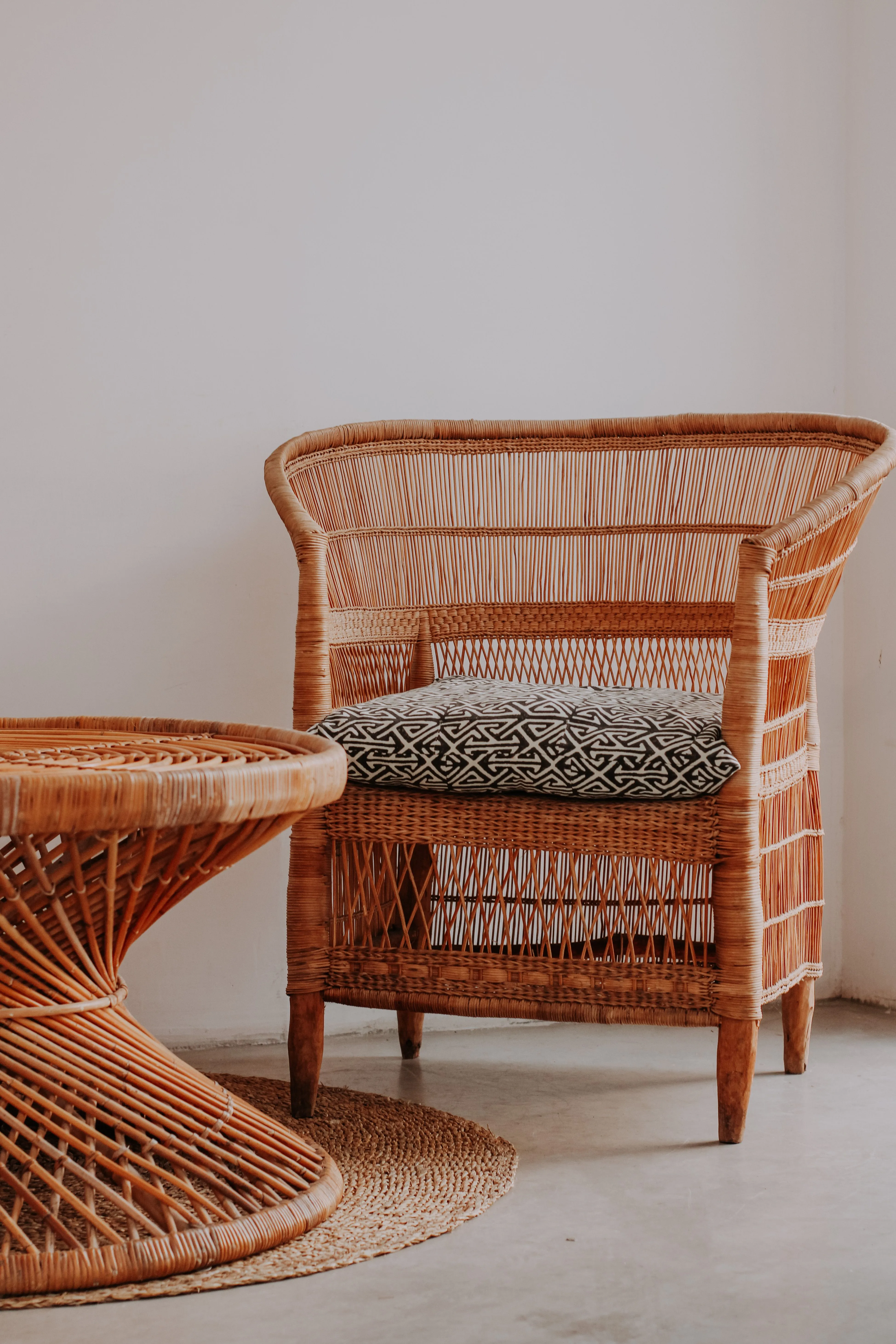
Rattan Guide | November 20, 2026
Los marcos curvos de los muebles de ratán se fabrican seleccionando postes de ratán adecuados, ablandándolos con calor o vapor y doblándolos alrededor de moldes o plantillas para lograr la forma requerida.
See Details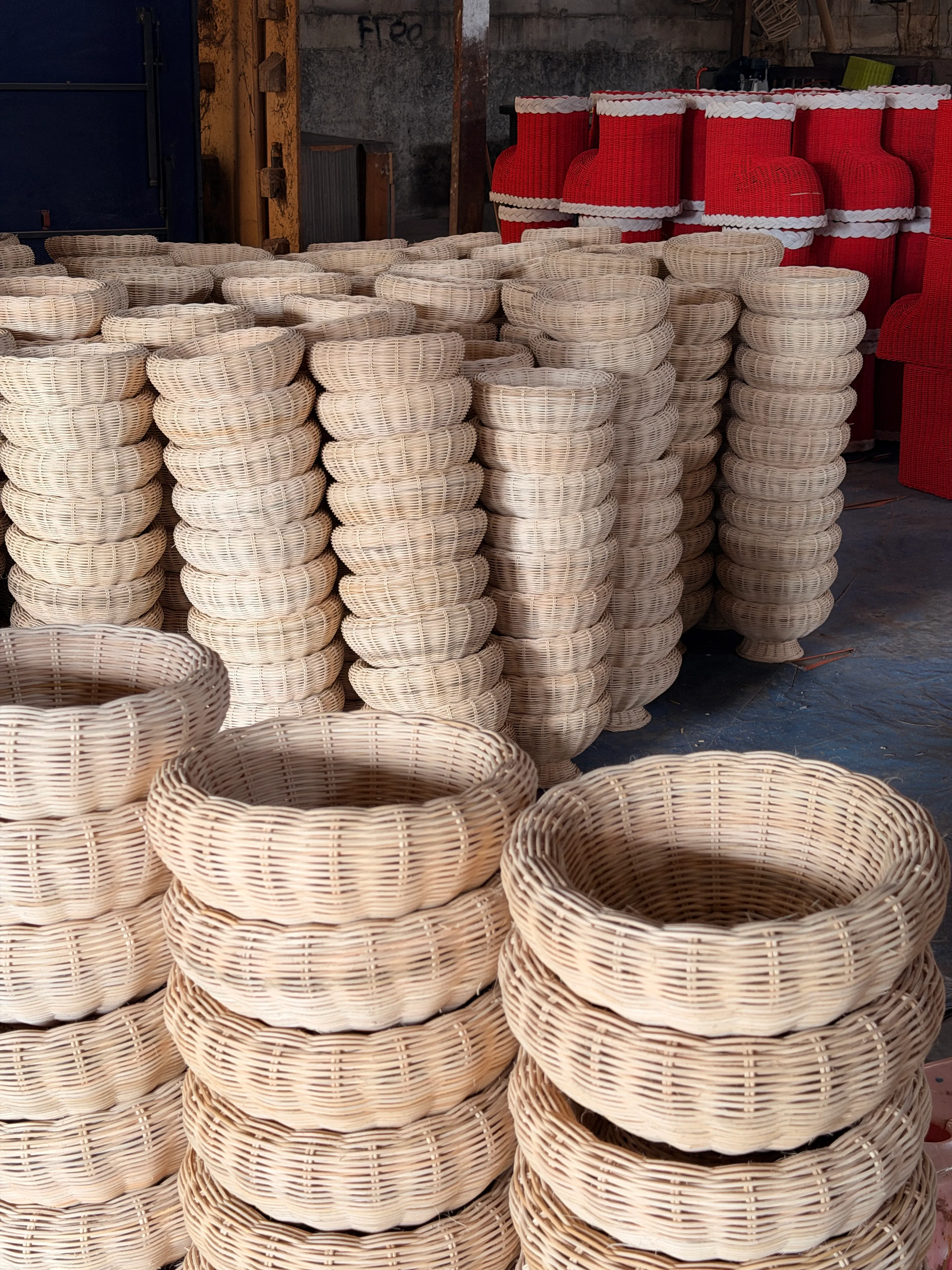
Rattan Guide | November 18, 2026
Not all rattan furniture is made entirely from natural rattan. Some products use natural rattan poles and woven fibers, while others incorporate synthetic strands, timber, metal, or upholstery. The term rattan furniture can therefore describe different material combinations, even when the finished products have similar appearances.
See DetailsSubcribe to our insight newsletter and be the first to receive the latest article and news updates form Tradeasia