
Buyer Guide | November 23, 2026
What Makes a Rattan Chair Comfortable for Long-Term Seating?
A comfortable rattan chair should provide good back support, enough sitting space, and a seat that remains comfortable over time.
See Details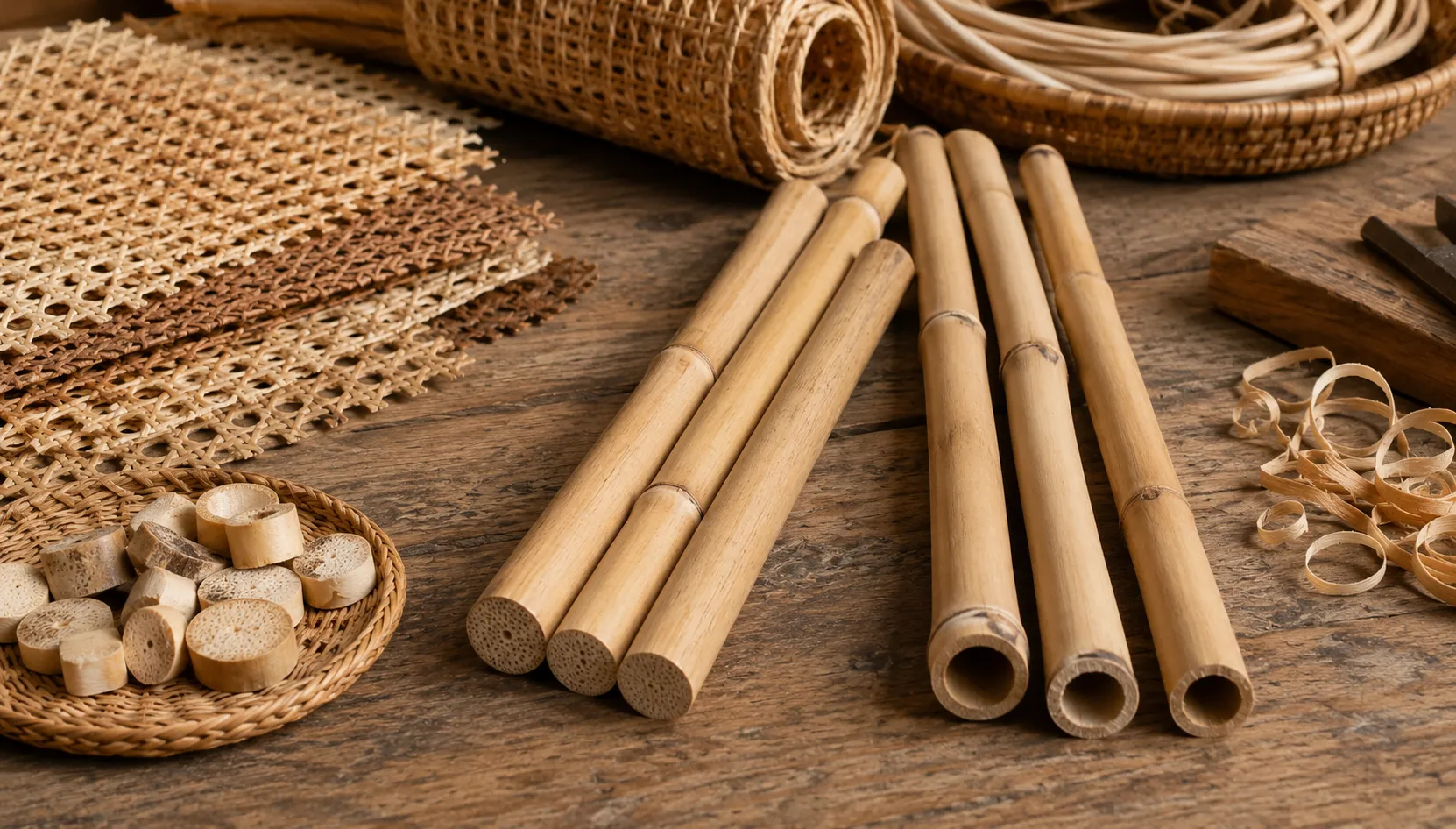
The structure of rattan, whether it has a solid core or a hollow cane drastically influences its properties, applications, and durability. In this comprehensive guide, we will delve into the anatomy of rattan, compare solid core and hollow cane varieties, and help you understand which type is best suited for your specific needs. Whether you are a seasoned craftsman or a discerning buyer, understanding these structural differences is crucial to making informed decisions.
To appreciate the differences between solid and hollow rattan, it's essential to first understand its basic anatomy. Rattan is a vine that grows in the understory of tropical rainforests, using its hooked spines to climb toward the canopy. The stem, or cane, is composed of three main layers: the outer skin, the inner pith, and the vascular bundles that transport water and nutrients. The outer skin is hard and smooth, often used for wrapping and weaving. Beneath it lies the pith, which can be either solid or hollow depending on the species and growth conditions. This pith is the core of the cane.
The structure of the cane is not uniform; it varies along its length. The lower portions of the vine are generally thicker and more solid, while the upper, younger sections may be hollow or have a softer core. This natural variation means that even within a single stalk, you may encounter both solid and hollow sections. For manufacturers, this means careful selection and processing are required to achieve consistent quality. The inner diameter, wall thickness, and density all play roles in determining the cane's strength, flexibility, and workability.
There are over 600 species of rattan, but only a few are commercially significant. The most common solid-core species include Calamus caesius (also known as rattan sega) and Calamus trachycoleus (rattan irit). These are prized for their dense, solid pith, which allows for smooth, even bending and carving. On the other hand, hollow-cane species such as Calamus scipionum (rattan manau) have a hollow center, resembling bamboo but with a different structure. Understanding these species and their characteristics is the first step in choosing the right rattan for your projects.
Solid core rattan, as the name suggests, has a continuous, dense pith that fills the entire interior of the cane. This construction provides exceptional structural integrity, making it the go-to choice for furniture frames, handles, and structural components. The density of the core contributes to remarkable compressive and tensile strength, allowing solid core rattan to bear heavy loads without bending or breaking. For instance, a chair made from solid core rattan can comfortably support adult weight for decades when properly maintained.
One of the key advantages of solid core rattan is its ability to be bent into tight curves without collapsing. This property is attributed to the even distribution of material throughout the cane, which resists kinking. Furniture makers often steam or heat solid core rattan to make it pliable, then shape it into elegant curves that define classic designs. The smooth, continuous surface also facilitates carving and joinery, as the material holds screws and dowels firmly. This makes solid core rattan ideal for detailed joinery that requires precision and reliability.
In addition to its mechanical strength, solid core rattan is more resistant to splitting when nails or screws are driven into it. The solid interior provides ample material to grip the fastener, reducing the risk of cracking. This is particularly important in applications where joints are subjected to stress, such as in chair legs or armrests. Furthermore, solid core rattan tends to have a longer lifespan than hollow cane because it is less prone to moisture infiltration and pest damage. Its solid nature leaves fewer interior spaces for insects to colonize, making it a more hygienic option for many uses.
Hollow cane rattan features a hollow center, much like bamboo, but with a distinct wall structure that sets it apart. This design grants the cane incredible flexibility, allowing it to bend and flex without breaking. The hollow interior reduces weight while maintaining strength, making it ideal for applications where lightweight properties are essential, such as in fishing rods, walking sticks, and lightweight furniture. The flexibility of hollow cane is its most celebrated trait; it can be woven into intricate patterns that would be impossible with stiffer solid core materials.
The construction of hollow cane also contributes to its ability to absorb impact. When force is applied, the cane compresses and rebounds, dissipating energy effectively. This makes it an excellent material for items that undergo repeated stress, such as umbrella handles or bicycle seats. The air-filled center provides natural insulation as well, which is why hollow cane is often used in saunas and other environments where temperature regulation is important. Moreover, the hollow structure allows for the insertion of other materials, such as electrical wiring or additional support rods, enhancing its versatility in modern designs.
However, hollow cane has its drawbacks. Its walls are thinner and therefore more susceptible to cracking if not handled carefully. When bending hollow cane, there is a risk of crushing the walls if the radius is too small or if the cane is not properly supported. Additionally, the open ends of hollow cane can allow moisture to accumulate inside, leading to mold or mildew growth over time. For this reason, hollow cane requires careful sealing and maintenance, especially in outdoor settings. Despite these challenges, many craftsmen prefer hollow cane for decorative elements, lampshades, and accent pieces where its unique look and flexibility shine.
As a buyer or craftsperson, selecting between solid core and hollow cane rattan requires careful consideration of several factors. Here are some guidelines to help you decide:
Additionally, consider the source and sustainability of the rattan. Solid core species are often harvested from managed forests, while some hollow cane species are more abundant. Supporting sustainable practices ensures the longevity of rattan as a resource. When buying in bulk, request samples of both types to test their workability. Many suppliers offer both solid core and hollow cane in various diameters, so you can compare and choose the one that suits your project best. If you are comparing different rattan materials for your next project, Rattan Tradeasia brings wide range of rattan products from verified suppliers together in one B2B marketplace, making it easier to explore materials and find options that match your requirements.
In summary, solid core and hollow cane rattan each possess unique characteristics that make them suitable for different applications. Solid core rattan offers exceptional strength, durability, and resistance to splitting, making it the backbone of high-quality furniture and structural elements. Hollow cane, with its remarkable flexibility and lightweight nature, excels in decorative weaving and items that require resilience to bending. When choosing between the two, assess your project's requirements for strength, flexibility, weight, and aesthetics. By leveraging the distinct properties of each type, you can create or purchase rattan products that are not only beautiful but also functional and long-lasting. Whether you are selecting material for a custom piece of furniture or simply buying rattan accents for your home, knowing the difference between solid core and hollow cane empowers you to make the best decision. Embrace the versatility of rattan, and let its structural wisdom guide your craftsmanship.
Buyer Guide | November 23, 2026
A comfortable rattan chair should provide good back support, enough sitting space, and a seat that remains comfortable over time.
See Details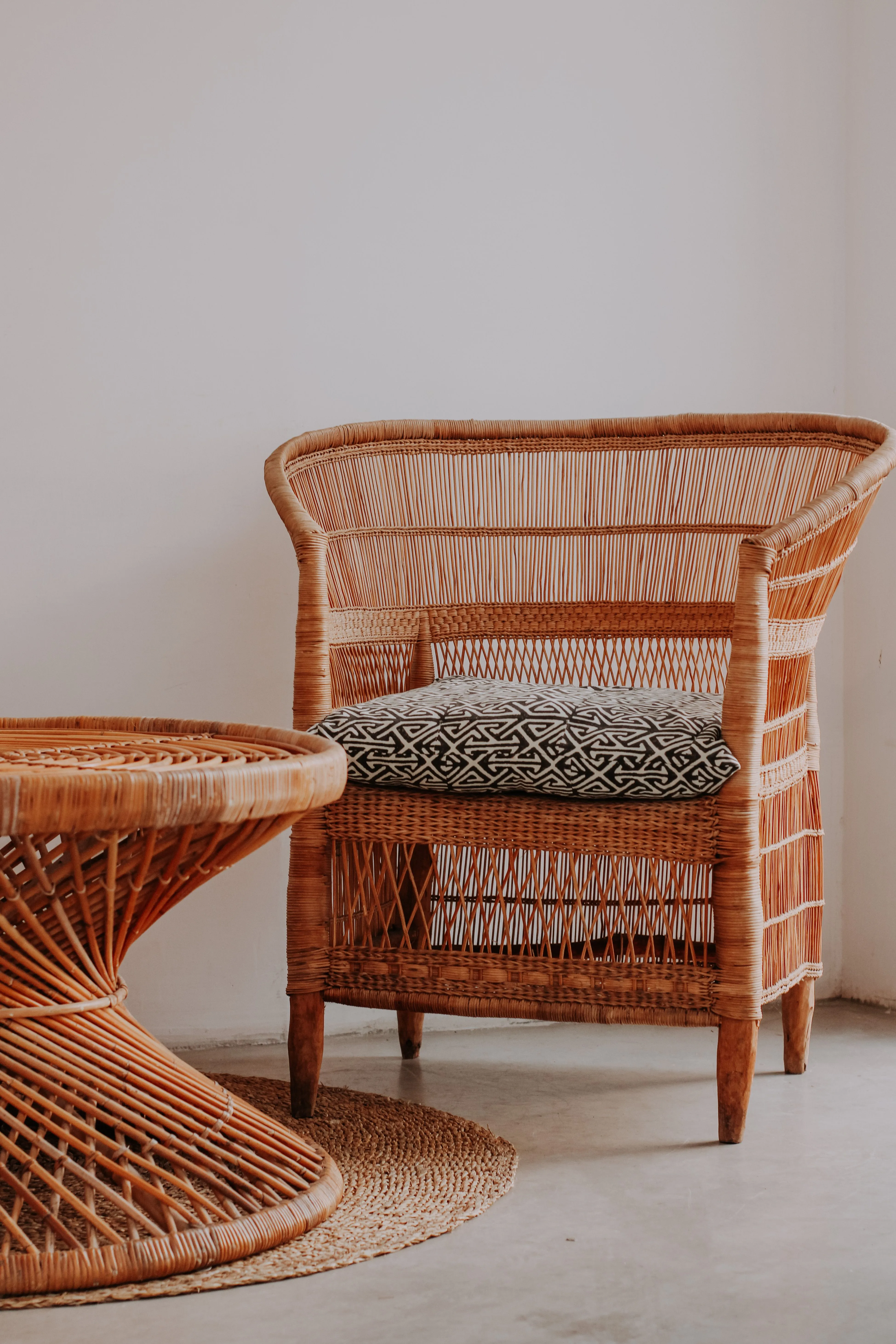
Rattan Guide | November 20, 2026
Los marcos curvos de los muebles de ratán se fabrican seleccionando postes de ratán adecuados, ablandándolos con calor o vapor y doblándolos alrededor de moldes o plantillas para lograr la forma requerida.
See Details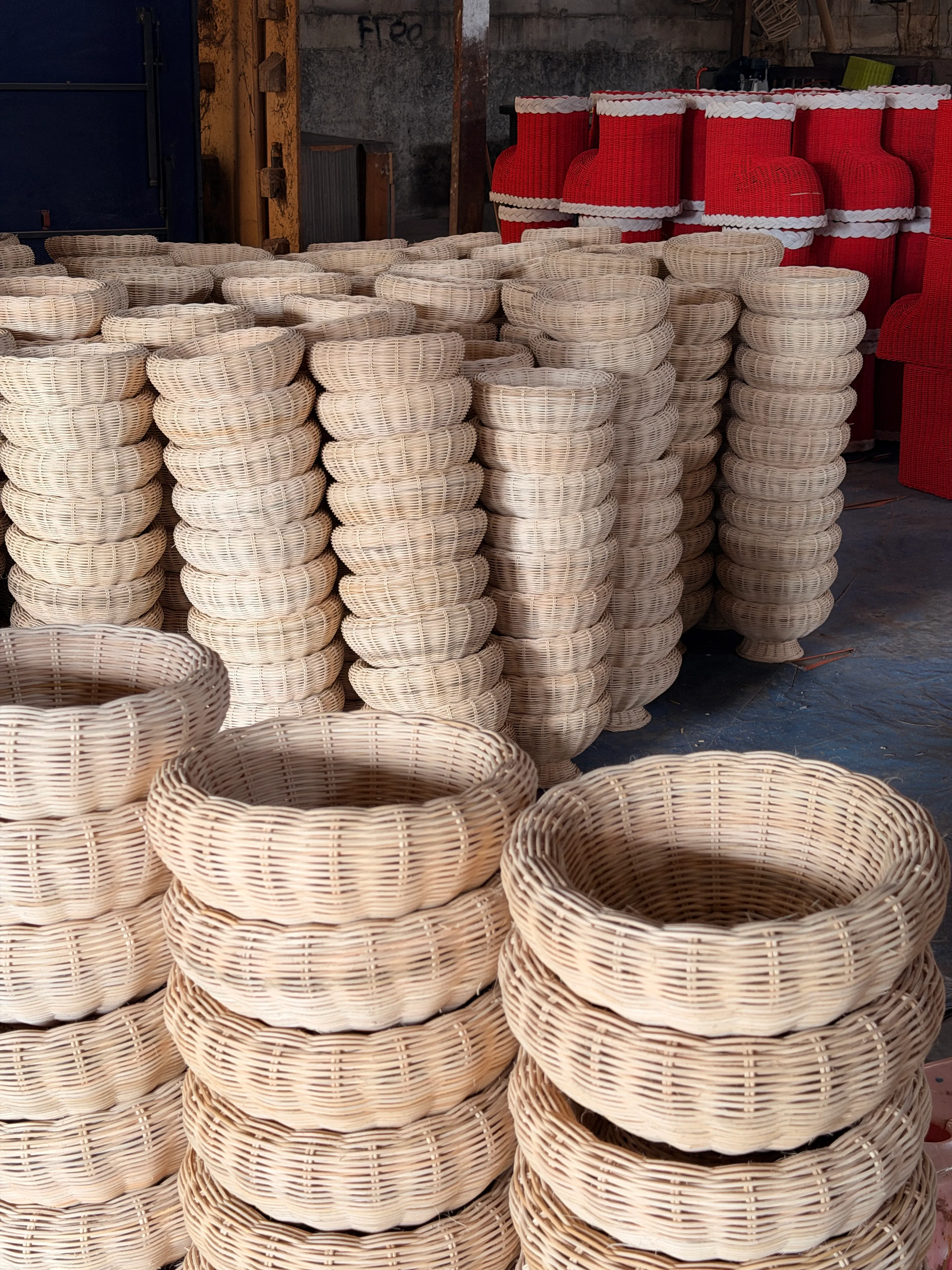
Rattan Guide | November 18, 2026
Not all rattan furniture is made entirely from natural rattan. Some products use natural rattan poles and woven fibers, while others incorporate synthetic strands, timber, metal, or upholstery. The term rattan furniture can therefore describe different material combinations, even when the finished products have similar appearances.
See DetailsSubcribe to our insight newsletter and be the first to receive the latest article and news updates form Tradeasia