Buyer Guide | November 23, 2026
What Makes a Rattan Chair Comfortable for Long-Term Seating?
A comfortable rattan chair should provide good back support, enough sitting space, and a seat that remains comfortable over time.
See Details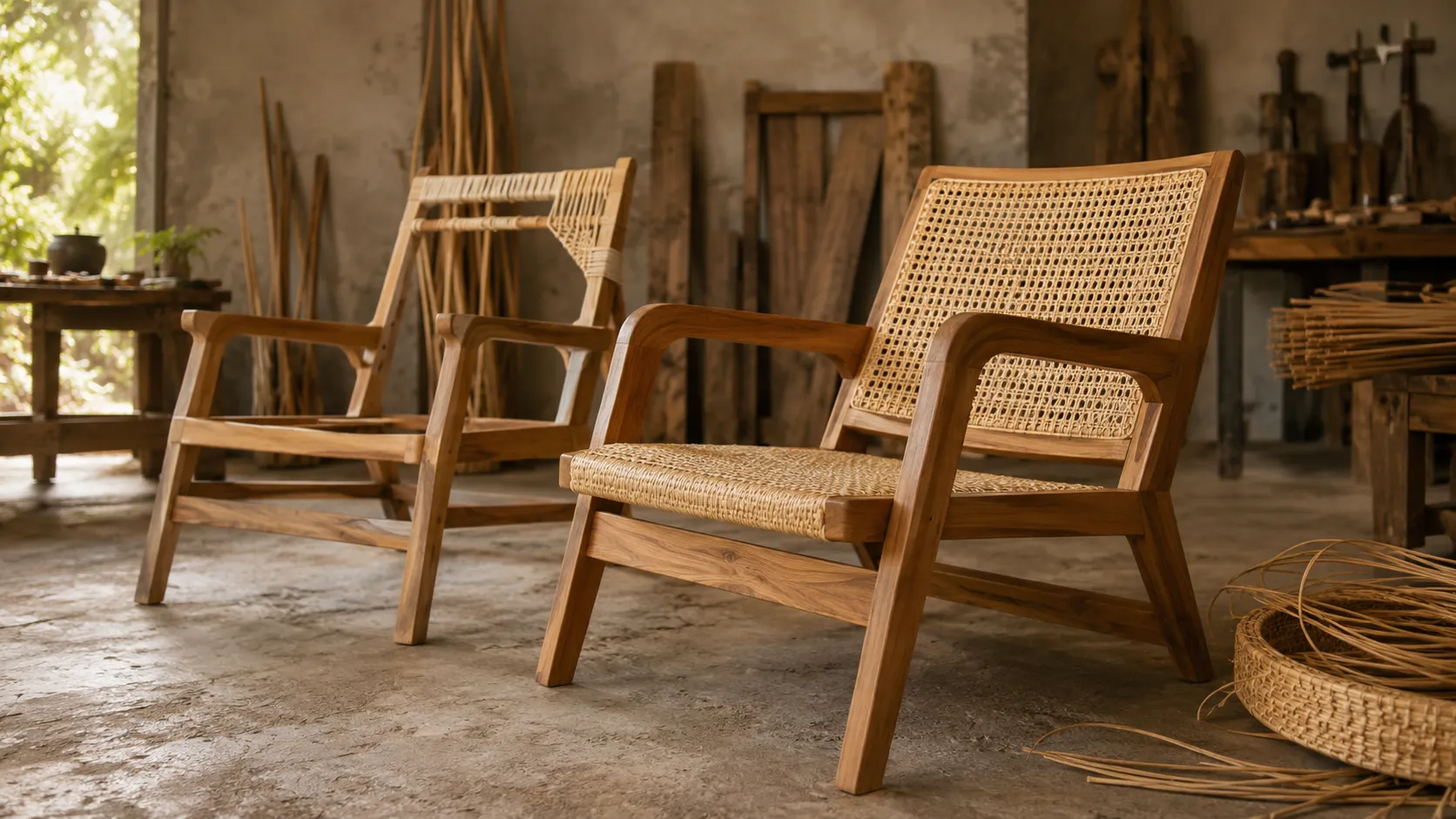
Teak (Tectona grandis) is a heavy tropical hardwood. Rattan is a solid-core climbing palm — not a hardwood at all, and not related to bamboo, which is hollow. Teak provides the frame the legs, the seat rails, the structural skeleton that has to bear weight, and rattan provides the skin: the woven seat backs, panels, and screens that need to flex, breathe, and stay light.
Teak earns that structural role because of its chemistry. Studies of teak heartwood have found it contains natural oils and extractives compounds like tectoquinone that give the wood unusually strong rot and insect resistance, which is a major reason it's used worldwide for house construction, outdoor furniture, and flooring. Sapwood, by contrast, lacks these extractives and is markedly less durable, which is why furniture-grade teak is cut almost entirely from the heartwood.
That's the practical reason artisans pair the two: teak wood alone would make furniture heavy and visually blocky; rattan alone can't support real structural weight. When the two combines, one material carries the load and the other carries the design: the seat backs, side panels, and decorative webbing that let a teak piece feel light instead of monolithic.
Both materials carry deep production histories in Southeast Asia, which is no accident, it's why the pairing shows up so consistently in Indonesian and Southeast Asian furniture-making rather than being an arbitrary designer choice.
Teak isn't native to Indonesia. It originated in the India–Myanmar–Thailand region and was introduced to Java centuries ago, where plantation-grown teak has since become central to the country's furniture and construction industries. Rattan, on the other hand, is genuinely native to the Indonesian archipelago and has the world's longest continuous history of deliberate cultivation, traditional "rattan gardens" in Kalimantan, for instance, have been managed by local communities for over a hundred years, often interplanted with rice in rotational systems. Indonesia's rattan resource spans an estimated 9.4 million hectares of forest, alongside cultivated gardens, though actual annual harvests run well below the land's theoretical production capacity.
Outdoors: Teak's natural oils make it one of the few timbers that tolerates direct weather exposure without regular sealing, which is why it's been used in boatbuilding for centuries. Natural rattan is more moisture-sensitive, so outdoor pieces that pair a teak frame with genuine rattan weaving are usually meant for covered patios or terraces rather than full sun-and-rain exposure for fully exposed gardens, workshops often substitute synthetic ("poly") rattan, which mimics the woven look with weather-proof polyethylene fiber over the same teak structure.
Indoors: Here, natural rattan-and-teak combinations perform at their best. The teak frame needs little maintenance beyond occasional oiling, and the rattan weaving kept dry and out of direct sun can last for decades. This is the context (dining chairs, headboards, room dividers, cabinet fronts) where you'll most often see the two materials paired by name.
The rattan-and-teak combination isn't a stylistic accident. Teak supports weight-bearing durability; rattan supports flexibility, lightness, and texture. Both have centuries of craft history behind them in Indonesia specifically, which is part of why the pairing still dominates handmade furniture coming out of Java and Kalimantan rather than fading into a passing trend.
Buyer Guide | November 23, 2026
A comfortable rattan chair should provide good back support, enough sitting space, and a seat that remains comfortable over time.
See Details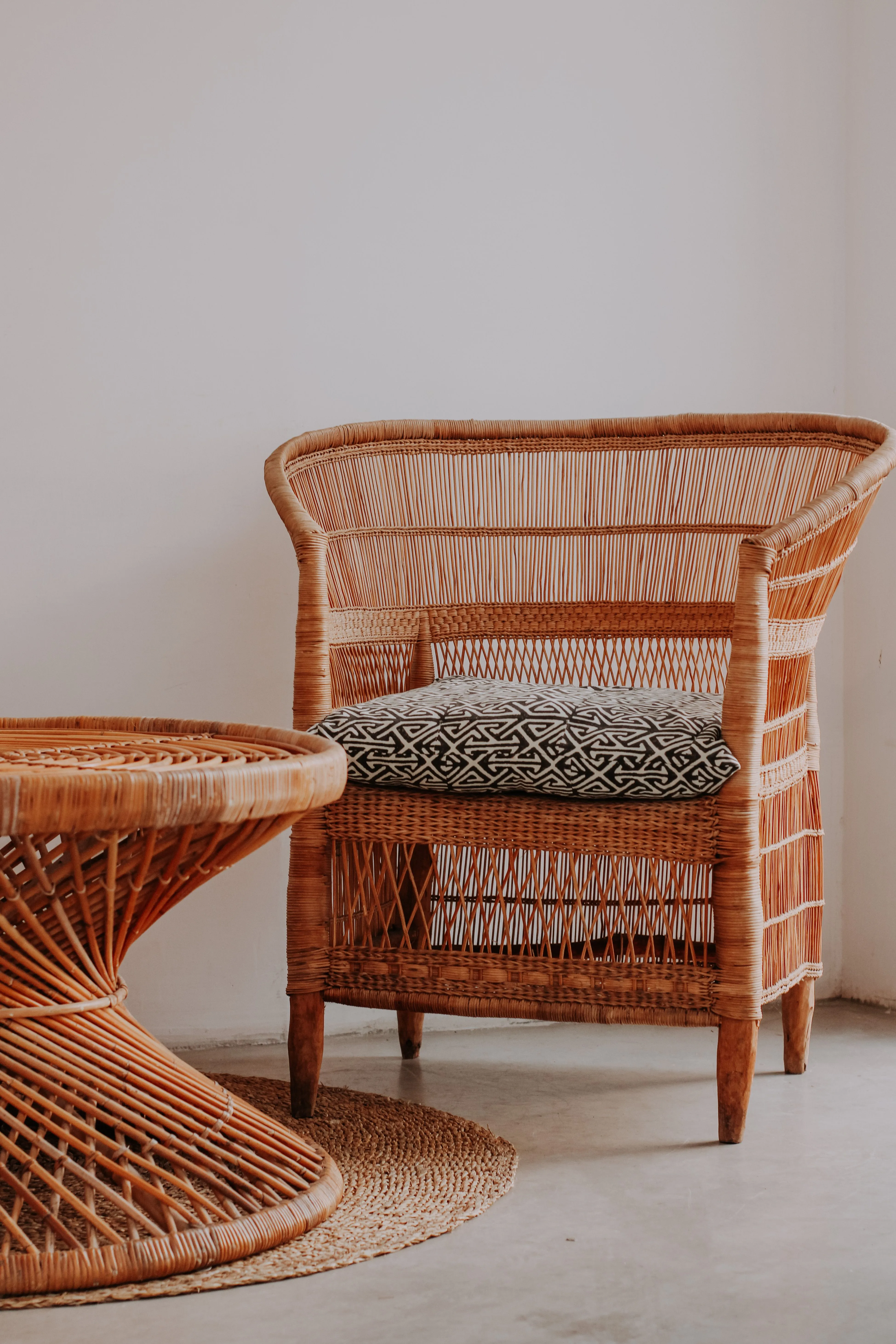
Rattan Guide | November 20, 2026
Los marcos curvos de los muebles de ratán se fabrican seleccionando postes de ratán adecuados, ablandándolos con calor o vapor y doblándolos alrededor de moldes o plantillas para lograr la forma requerida.
See Details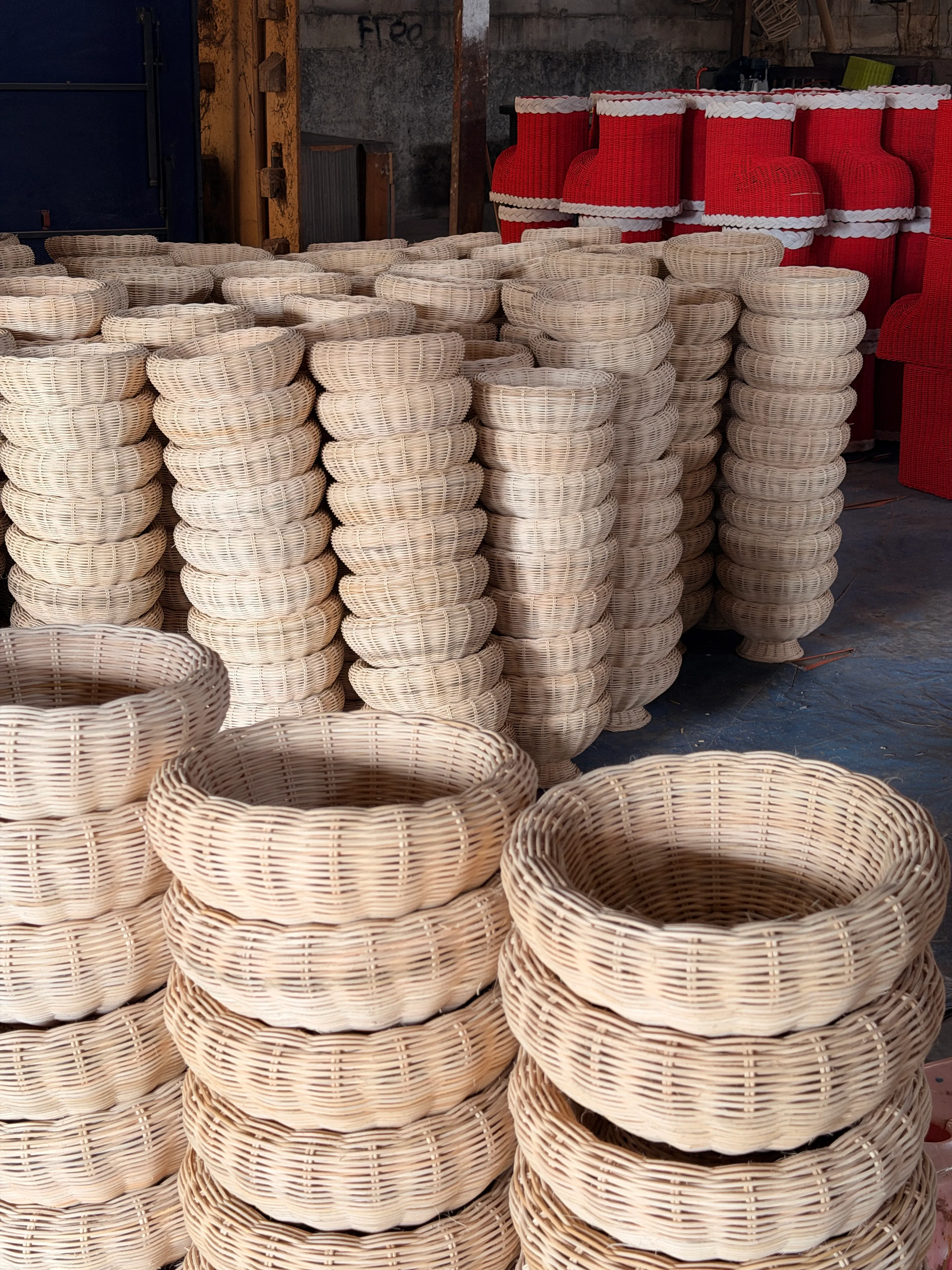
Rattan Guide | November 18, 2026
Not all rattan furniture is made entirely from natural rattan. Some products use natural rattan poles and woven fibers, while others incorporate synthetic strands, timber, metal, or upholstery. The term rattan furniture can therefore describe different material combinations, even when the finished products have similar appearances.
See DetailsSubcribe to our insight newsletter and be the first to receive the latest article and news updates form Tradeasia