
Buyer Guide | November 23, 2026
What Makes a Rattan Chair Comfortable for Long-Term Seating?
A comfortable rattan chair should provide good back support, enough sitting space, and a seat that remains comfortable over time.
See Details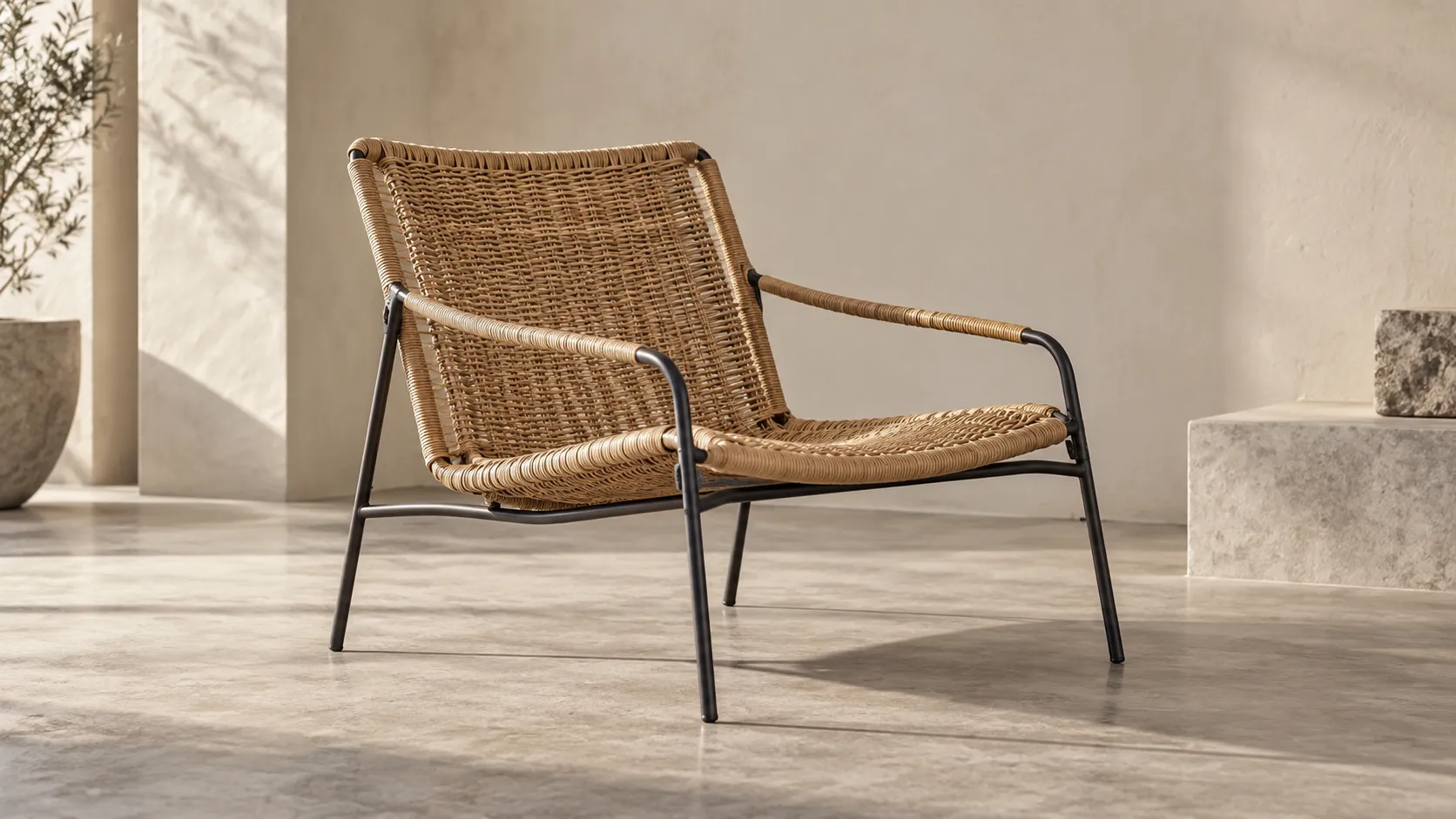
In almost every case on Rattan Furniture, the metal had its function as structure. A welded or bent frame (steel, aluminum, or occasionally brass) does the load-bearing work, while rattan is woven over or around it as the surface material. Furniture makers noted that even in older wickerwork pieces, a metal frame typically forms the strong inner core, with rattan woven over the top purely to shape the finished surface.
To put up simply, the metal supplies the skeleton, and the rattan supplies the skin. Each material is doing the job it's actually good at, rather than being stretched to do the other's job.
Tracing to the first creation of Rattan and Metal. It goes back to the earliest years of furniture modernism. Marcel Breuer's Cesca chair, produced by Thonet in Vienna, combined chrome-plated tubular steel with hand-caning, and it started a whole lineage of furniture pairing rattan with industrial metal tubing. Breuer's student, Mies van der Rohe, followed with a similarly light, cane-and-steel chair not long after.
The pairing kept resurfacing through the mid-20th century. In the postwar years, designers like Milo Baughman built rattan-and-chrome lounge chairs that deliberately married metal with organic material, and the style became closely associated with the era's rattan revival in the United States. Japanese designer Isamu Noguchi worked in the same territory, building prototypes with woven rattan seating on slender iron-rod legs. Noguchi's own framing of that hybridity was described as being hybrid as a way of anticipating the future..
As for logical reason and function. Natural rattan actually doesn't do well outdoors while Metal solves a different problem: a well-made frame, especially powder-coated aluminum, resists rust and corrosion far better than exposed wood or untreated rattan cane, which is why aluminum specifically has become the default frame choice for furniture meant to survive rain and sun rather than just live indoors.
That said, the frame material matters more than people assume:
Aluminum: doesn't rust in the traditional sense, it forms a thin oxide layer on contact with air that protects it, making it the more weather-stable metal choice for anything staying outside.
Steel or iron: stronger against wind and heavy loads, but more prone to rust if the protective coating is scratched or worn through, particularly through repeated freeze-thaw cycles.
Rattan (natural) vs. PE rattan: natural cane is the traditional weaving material and the one with real craft history; synthetic PE rattan is a plastic engineered to resist UV, moisture, and temperature swings far better, which is why most furniture actually left outside today is woven from it rather than natural cane.
So the honest version of the durability claim is conditional: rattan-and-metal furniture can be very durable outdoors, but that depends heavily on which rattan (natural vs. synthetic) and which metal (and coating quality) you're actually looking at.
The rattan-and-metal combination has survived a century of furniture trends for a fairly unglamorous reason: it's a genuinely sound engineering decision, not just an aesthetic one. Metal does the structural work rattan was never suited for; rattan brings texture, warmth, and hand-craft character that raw metal doesn't have on its own. The Bauhaus-era designers who popularized it weren't chasing a "look" but, they were solving the same problem furniture makers still solve today, just with different tools.
Buyer Guide | November 23, 2026
A comfortable rattan chair should provide good back support, enough sitting space, and a seat that remains comfortable over time.
See Details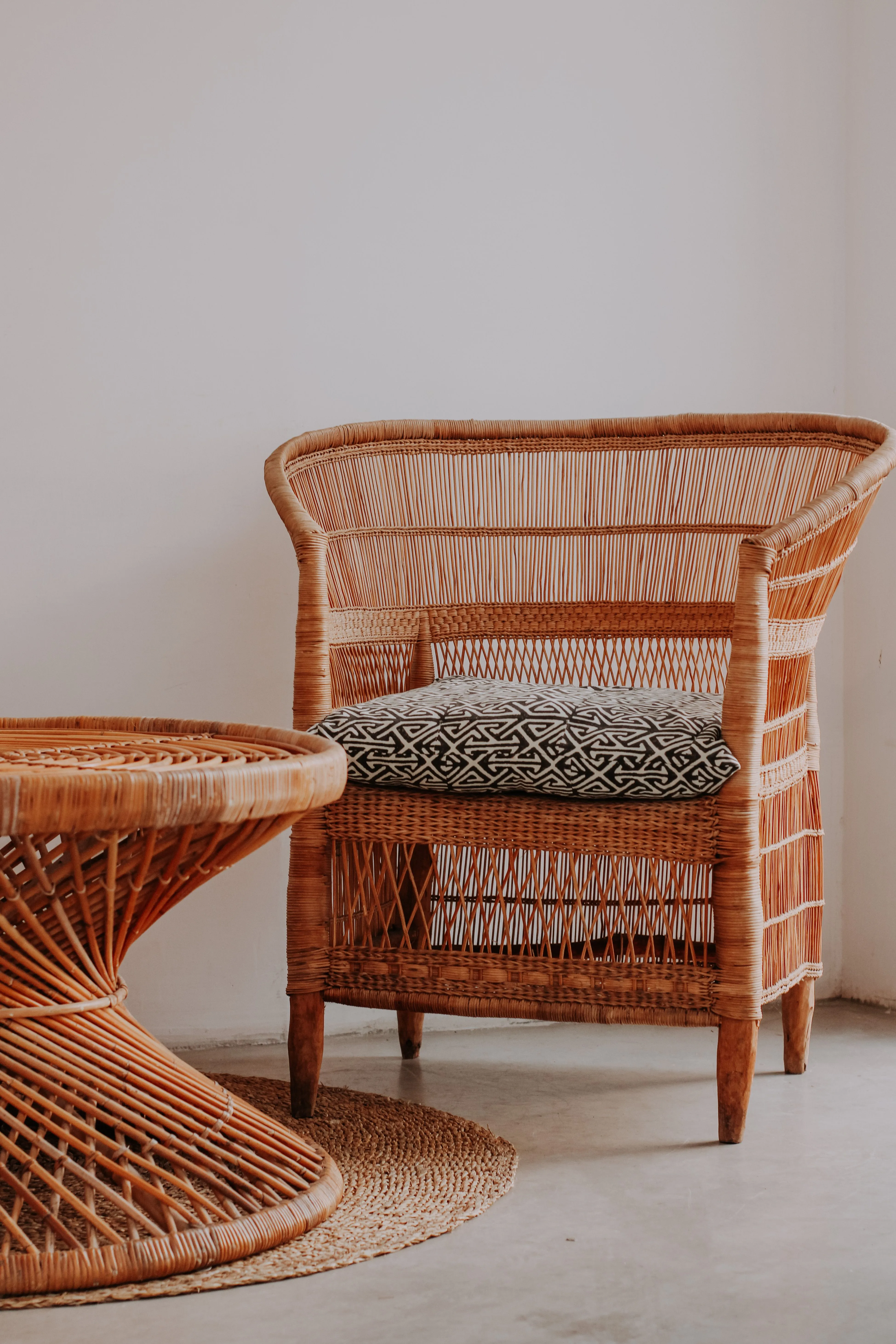
Rattan Guide | November 20, 2026
Los marcos curvos de los muebles de ratán se fabrican seleccionando postes de ratán adecuados, ablandándolos con calor o vapor y doblándolos alrededor de moldes o plantillas para lograr la forma requerida.
See Details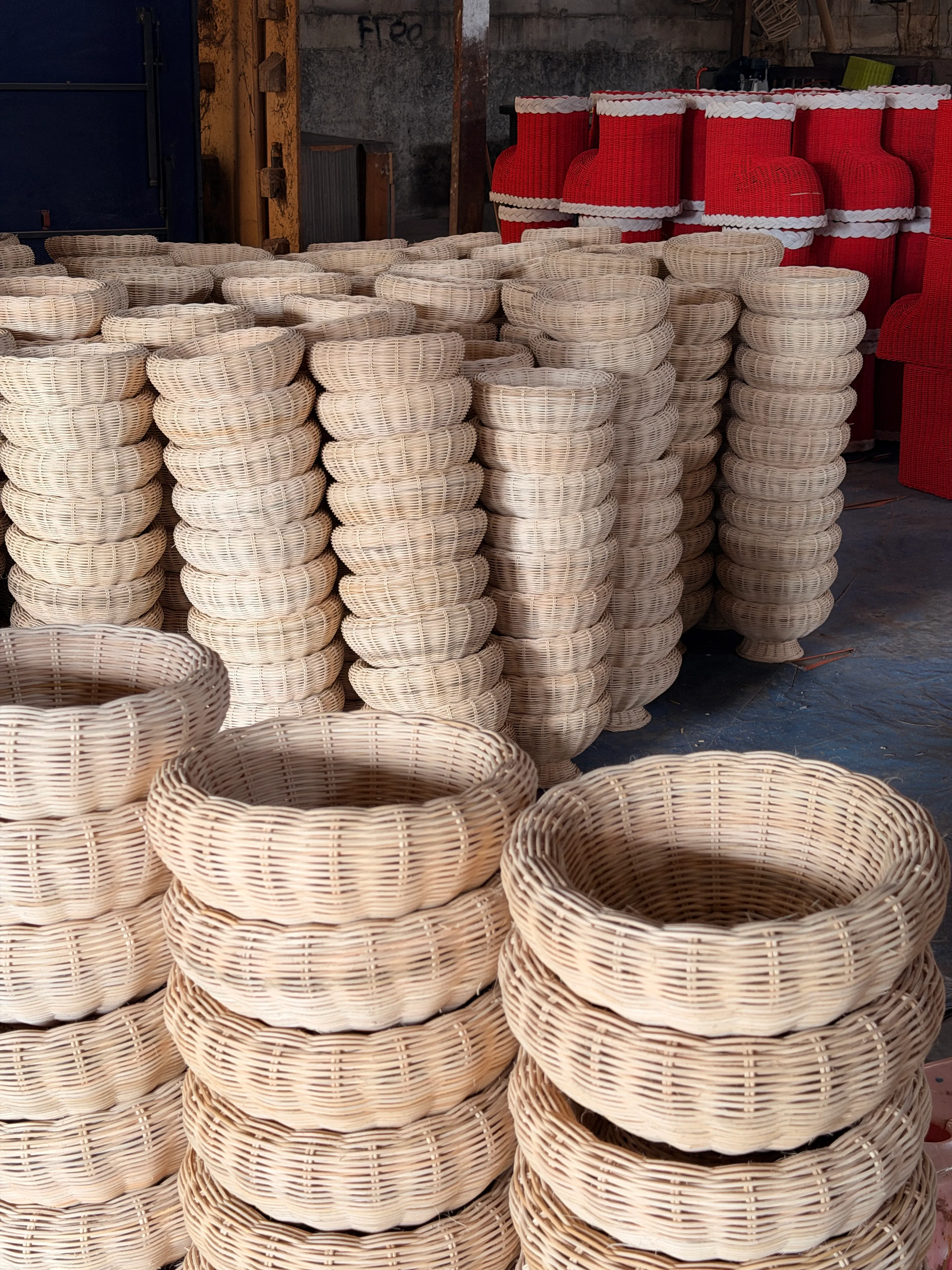
Rattan Guide | November 18, 2026
Not all rattan furniture is made entirely from natural rattan. Some products use natural rattan poles and woven fibers, while others incorporate synthetic strands, timber, metal, or upholstery. The term rattan furniture can therefore describe different material combinations, even when the finished products have similar appearances.
See DetailsSubcribe to our insight newsletter and be the first to receive the latest article and news updates form Tradeasia