
Buyer Guide | November 23, 2026
What Makes a Rattan Chair Comfortable for Long-Term Seating?
A comfortable rattan chair should provide good back support, enough sitting space, and a seat that remains comfortable over time.
See Details
Rattan furniture is best maintained by regularly removing dust, cleaning it with a lightly damp cloth and mild soap, keeping it away from excessive moisture and direct sunlight, and repairing small areas of damage before they worsen. Because natural rattan responds to humidity, temperature, and moisture, proper care helps prevent mildew, cracking, fading, and weakening of the woven structure. Whether used indoors or outdoors, a simple and consistent maintenance routine can keep rattan furniture functional and attractive for many years. In this guide, we'll walk you through the essential steps for cleaning, maintaining, and protecting your rattan furniture, ensuring it remains a stunning centerpiece in your home or garden.
You can clean rattan furniture by removing dust with a soft brush or vacuum, wiping the surface with a lightly damp cloth and mild soap, and drying it thoroughly afterward.
A simple cleaning routine includes:
When it comes to cleaning solution, avoid harsh chemicals, bleach, or abrasive cleaners. They can strip the finish and damage the natural fibers. Instead, opt for a mild soap solution: a few drops of dish soap diluted in water. Dip a cloth in the solution, wring it out thoroughly, and wipe the furniture. Again, dry with a clean cloth.
For outdoor rattan furniture, cleaning may need to be done more frequently because it is exposed to dust, pollen, and outdoor moisture. A monthly cleaning is generally a practical starting point, with additional cleaning when the furniture becomes visibly dirty.
You can remove stains from rattan furniture by blotting spills quickly, cleaning the affected area with a mild soap solution, and using gentle stain-specific methods without soaking the material. The sooner a spill is treated, the less likely it is to penetrate the rattan fibers or leave a permanent mark. Always test any cleaning solution on a hidden area first, especially if the furniture has a lacquer, paint, or other protective finish.
For common stains, use the following methods:
For stubborn stains, avoid aggressive scrubbing or sanding unless you know the rattan is unfinished and the treatment is appropriate for its finish. Fine sandpaper may be used cautiously on some unfinished surfaces, but it should be considered a last resort because sanding can remove the outer surface or protective coating. If the stain cannot be removed without damaging the furniture, professional restoration is a safer option.
The easiest way to prevent stains is to protect the surface before spills occur. Use coasters, placemats, and trays under drinks, food, and hot dishes, and avoid placing oily products directly on rattan surfaces. These simple habits can reduce staining while helping preserve the furniture's finish and natural appearance.
You can protect rattan furniture from sun and moisture by keeping it away from prolonged direct sunlight, preventing prolonged exposure to rain and humidity, ensuring good airflow, and using a suitable protective finish when appropriate. Natural rattan is sensitive to changes in moisture and temperature, so controlling its environment is one of the most important parts of long-term rattan furniture care.
For outdoor rattan furniture, protection should go beyond applying a finish. Shade, ventilation, proper drying, and suitable furniture covers are equally important. If the furniture is made from natural rattan, avoid treating it as completely weatherproof unless the manufacturer specifically states that it has been designed and finished for outdoor exposure.
You can maintain and repair rattan furniture by cleaning it regularly, protecting it from excessive moisture and sunlight, checking for loose or damaged sections, and addressing minor repairs before they become more serious. Seasonal maintenance is especially important for rattan furniture that is moved outdoors or stored for extended periods.
During spring and summer, clean the furniture thoroughly before placing it outdoors and make sure it is completely dry. If the furniture is suitable for outdoor use, a compatible UV-resistant protective finish can help reduce damage from prolonged sun exposure. Keep it in a shaded or partially covered area whenever possible.
During fall and winter, clean and dry the furniture before storing it. For outdoor pieces that must remain outside, use a suitable furniture cover while allowing enough ventilation to prevent moisture from becoming trapped underneath. Moving lightweight natural rattan furniture indoors is preferable when prolonged rain, cold, or high humidity is expected.
Regular inspection can also help identify common problems such as loose joints, separated weaving, and small cracks:
For major structural damage, extensive broken weaving, or repairs involving valuable or intricate furniture, professional rattan restoration is usually the safer option. Regular inspection and early repairs can help prevent small problems from developing into costly structural damage.
Caring for rattan furniture doesn't have to be a chore. With a regular cleaning schedule, proactive protection, and timely repairs, your rattan pieces can remain beautiful and functional for decades. Remember, the key is to act gently and avoid over-wetting or harsh chemicals. By incorporating these rattan furniture tips into your routine, you'll not only preserve the natural charm of your furniture but also enhance the comfort and style of your living space. So, invest a little time each month to show your rattan some love, it will reward you with enduring beauty and durability.
If you want to learn more about rattan materials, craftsmanship, and furniture care, explore the RattanTradeasia blog, where you can find practical guides and insights into the world of rattan. You can also browse RattanTradeasia's collection of rattan furniture and products to better understand the different materials, designs, and applications available from verified suppliers.
For more rattan knowledge and sourcing insights, continue exploring RattanTradeasia and discover how natural rattan is processed, crafted, and used in furniture and interior applications.
Buyer Guide | November 23, 2026
A comfortable rattan chair should provide good back support, enough sitting space, and a seat that remains comfortable over time.
See Details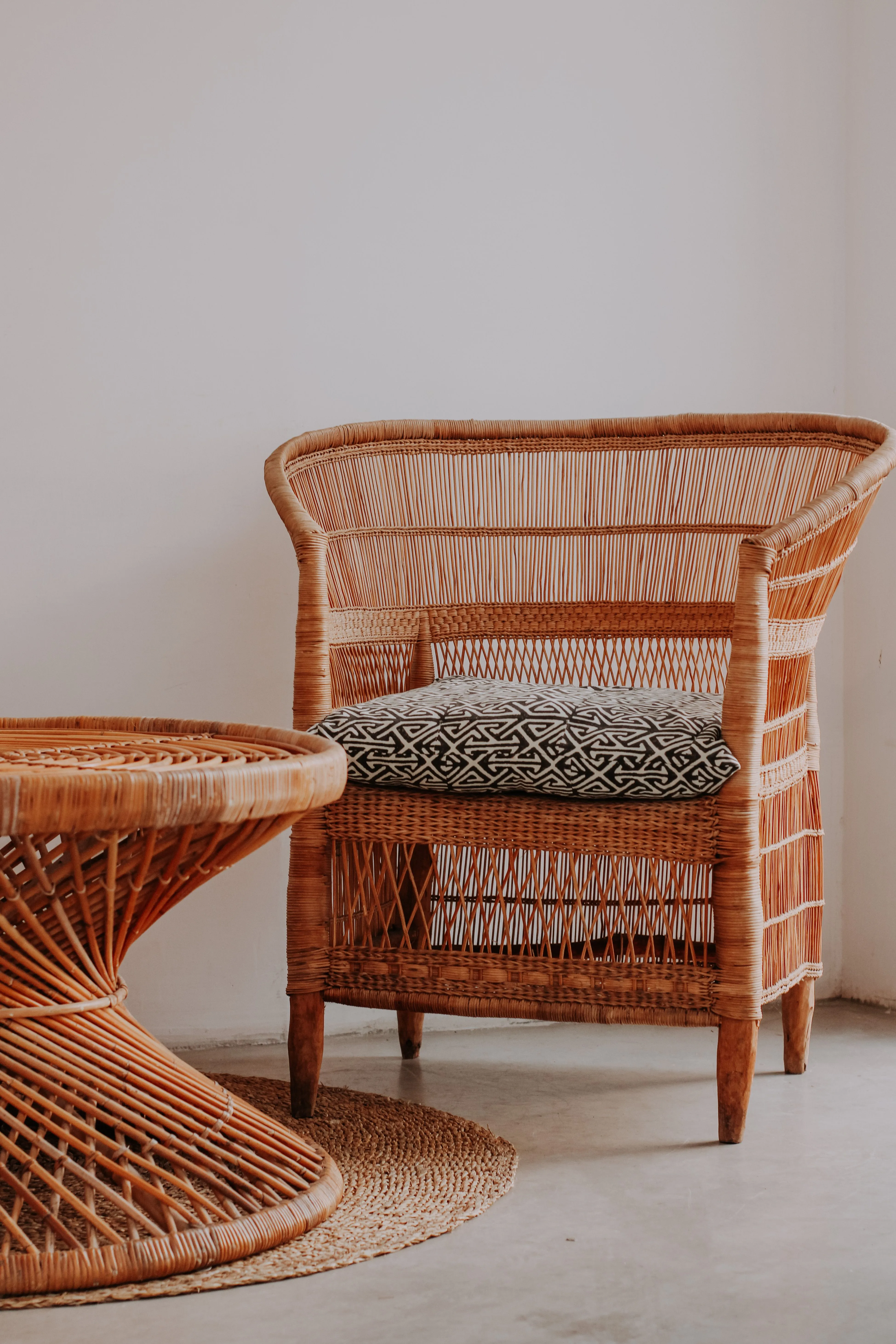
Rattan Guide | November 20, 2026
Los marcos curvos de los muebles de ratán se fabrican seleccionando postes de ratán adecuados, ablandándolos con calor o vapor y doblándolos alrededor de moldes o plantillas para lograr la forma requerida.
See Details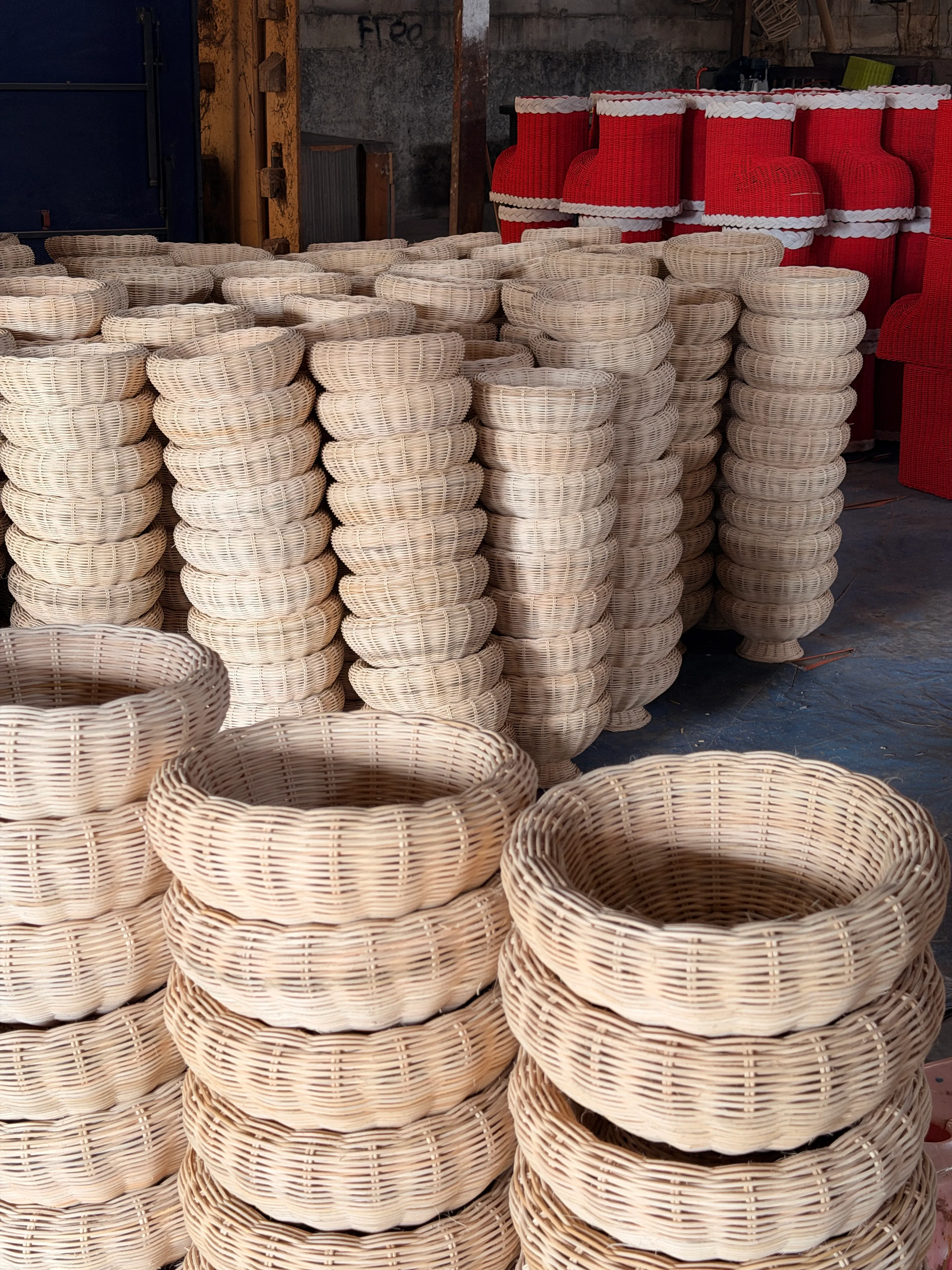
Rattan Guide | November 18, 2026
Not all rattan furniture is made entirely from natural rattan. Some products use natural rattan poles and woven fibers, while others incorporate synthetic strands, timber, metal, or upholstery. The term rattan furniture can therefore describe different material combinations, even when the finished products have similar appearances.
See DetailsSubcribe to our insight newsletter and be the first to receive the latest article and news updates form Tradeasia