
Buyer Guide | November 23, 2026
What Makes a Rattan Chair Comfortable for Long-Term Seating?
A comfortable rattan chair should provide good back support, enough sitting space, and a seat that remains comfortable over time.
See Details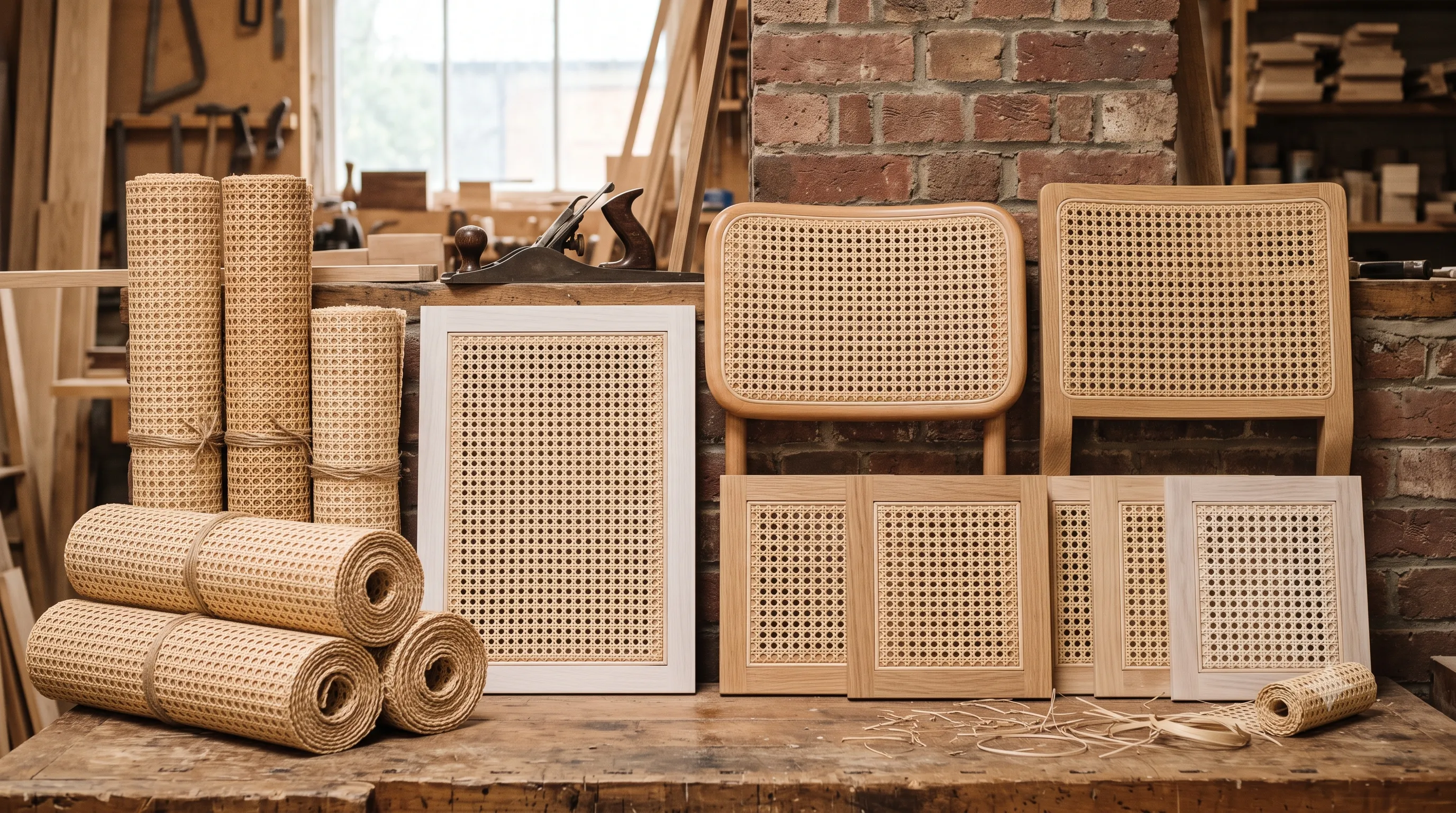
Cane webbing is made by processing rattan cane into thin strips and weaving those strips into specific patterns. The finished material can then be rolled or cut into panels depending on buyer needs.
The production process generally involves selecting cane material, cutting or splitting it into strips, preparing the strands, weaving the pattern, drying or conditioning the material, and preparing it for packing. The exact process can vary depending on supplier capability and the type of webbing pattern requested.
Cane webbing is popular because it combines natural beauty with functional value. It creates a warm, handcrafted, and breathable look that fits many design styles, including modern, Scandinavian, tropical, coastal, bohemian, rustic, and resort-inspired interiors.
In furniture design, cane webbing helps make products look lighter and more refined. A cabinet door with cane webbing can look less heavy than a solid wood panel. A chair back with cane webbing can feel more breathable than a fully upholstered backrest.
Chair Seats and Chair Backs
Chair seats and chair backs are among the most common applications for cane webbing. Cane webbing gives chairs a natural, breathable, and classic appearance while reducing the visual weight of the product.
For dining chairs, lounge chairs, accent chairs, and café chairs, cane webbing can add texture and comfort. Buyers should check whether the webbing is suitable for load-bearing use, decorative use, or both.
For commercial buyers, frame construction is just as important as the webbing itself. A strong frame helps protect the webbing from excessive pressure, sagging, or damage during regular use.
Cabinet Doors and Drawer Panels
Cane webbing is widely used in cabinet doors, drawer panels, wardrobes, sideboards, TV consoles, and storage furniture. It gives storage products a natural and airy appearance.
For cabinet applications, buyers should check panel size, weave tightness, color consistency, and how the webbing is installed into the frame. A poorly stretched panel may look uneven after installation.
Cabinet buyers should also confirm whether the cane webbing is used for functional ventilation, decorative appearance, or both. This affects the pattern and density needed.
Room Dividers and Wall Panels
Cane webbing is often used in room dividers, screens, wall panels, partition systems, and decorative interior features. These products are common in hotels, villas, restaurants, retail spaces, and residential projects.
For interior projects, cane webbing helps divide spaces without making the area feel closed or heavy. It allows light and air to pass through while still adding privacy and texture.
B2B project buyers should confirm dimensions, frame material, installation method, and pattern direction before placing bulk orders.
Headboards and Bed Frames
Cane webbing is popular for headboards and bed frames because it creates a relaxed, natural, and soft visual effect. It is suitable for hotels, villas, resorts, bedroom furniture collections, and interior design projects.
For hospitality buyers, headboard consistency matters because multiple rooms may require the same design. Buyers should confirm color tone, pattern size, frame strength, and cleaning requirements.
Cane webbing headboards should also be properly finished to avoid rough edges or loose strands that may affect guest comfort.
Lighting and Decorative Accessories
Cane webbing can be used in lampshades, pendant lights, wall lamps, baskets, trays, mirrors, and other decorative accessories. Its woven structure allows light to pass through and create warm shadow effects.
For lighting applications, buyers should check whether the cane webbing is used safely with the intended bulb, fitting, and frame. Heat exposure, spacing, and finishing should be reviewed carefully.
Decorative buyers should also check consistency across bulk orders because small variations may be noticeable in retail displays or hospitality installations.
Retail and Hospitality Interior Projects
Cane webbing is especially useful for retail and hospitality projects that want natural texture and a premium handcrafted feel. Hotels, restaurants, cafés, villas, resorts, and boutique stores often use cane panels in furniture, wall features, screens, lighting, and decorative elements.
For project buyers, cane webbing supports a consistent design theme across multiple product categories. A hotel can use cane webbing for headboards, cabinet doors, room dividers, and lampshades to create a unified natural interior concept.
Cane webbing offers several advantages for B2B buyers. First, it provides natural material appeal. This is useful for buyers targeting customers who prefer organic, sustainable-looking, handcrafted, or resort-inspired furniture.
Second, cane webbing is versatile. It can be used in furniture, panels, lighting, décor, and interior projects. This allows buyers to develop multiple product lines using one material direction.
Third, cane webbing can improve product differentiation. A basic cabinet, chair, or headboard can look more premium when combined with a well-made woven cane panel.
Fourth, cane webbing is lightweight. This can help with handling, furniture design, and shipping efficiency depending on the final product structure.
Natural cane webbing is usually made from rattan cane. It is valued for its authentic texture, natural color variation, and handcrafted appearance. It is commonly used in indoor furniture, decorative products, and premium interior collections.
Synthetic cane webbing is made from man-made materials designed to imitate the look of natural cane. It may offer more consistency or better resistance in certain environments, depending on material grade.
For B2B buyers, natural cane webbing is usually preferred when authenticity and natural design value are important. Synthetic cane webbing may be considered when the buyer needs greater uniformity, easier maintenance, or performance in more demanding conditions.
Cane webbing is available in different weaving patterns. The most common style is open-weave cane, often used for chairs and cabinet panels. Other options may include close-weave patterns, box weave, radio weave, hexagonal weave, and decorative woven styles.
Pattern selection affects both design and function. Open patterns create a lighter visual effect and better airflow. Tighter patterns create more coverage and a more solid appearance.
Buyers should request pattern references or samples before confirming an order. Even small pattern differences can change the final look of a furniture product.
Cane webbing rolls are useful for manufacturers that need flexibility in production. Buyers can cut the webbing based on chair, cabinet, or panel dimensions. Rolls are often preferred for larger production runs or mixed product sizes.
Pre-cut panels are useful when buyers need ready-to-use pieces for specific products. This can save cutting time and reduce material waste, but it requires accurate dimensions from the buyer.
The best option depends on the buyer’s production process. Furniture manufacturers may prefer rolls, while project buyers or small workshops may prefer pre-cut panels.
Choosing the right cane webbing starts with the product application. A chair seat may require stronger and more durable webbing than a decorative cabinet panel. A room divider may need a larger pattern, while a lampshade may need a lighter and more flexible weave.
Buyers should also consider color, pattern, thickness, width, roll length, and finish. These factors affect both appearance and production usability.
Before confirming a bulk order, buyers should test a sample on the actual product frame. This helps verify whether the material works for the intended design and installation method.
B2B buyers should check several quality factors before sourcing cane webbing. The weave should be clean, consistent, and free from broken strands. The material should not be overly brittle, rough, or uneven.
Color consistency is also important, especially for furniture collections and hospitality projects. Natural variation is expected, but extreme variation may create visual inconsistency across products.
Buyers should also check flexibility, thickness, moisture condition, and packaging. Poorly stored cane webbing may become too dry, too damp, or difficult to work with during installation.
Size and pattern must match the final product design. Buyers should confirm roll width, roll length, panel dimensions, pattern opening size, strand width, and cutting tolerance.
Color should be confirmed using samples or reference photos. Natural cane webbing may come in light beige, honey, natural brown, or other tones depending on material and finishing.
Finish requirements should also be discussed. Some buyers may need raw cane webbing for further processing, while others may need pre-finished material. The supplier should clearly explain what is included.
MOQ depends on material type, pattern, width, roll length, customization, and supplier production capacity. Standard patterns usually have lower MOQ than custom patterns or special dimensions.
Pricing should be compared based on the same specification. A cheaper quote may reflect lower material grade, inconsistent weaving, shorter roll length, narrower width, or weaker packaging.
For bulk cane webbing orders, buyers should also calculate total landed cost. This includes product price, packaging, freight, import charges, storage, inspection, and potential waste during cutting or installation.
Packaging is important because cane webbing can be damaged by moisture, compression, poor handling, or improper rolling. Buyers should ask how rolls or panels are packed for export shipment.
Rolls should be packed to prevent deformation and moisture exposure. Pre-cut panels should be protected from bending, cracking, or surface damage.
Export-ready suppliers should provide clear packing details, carton dimensions, quantity per package, and loading information. This helps buyers plan logistics and reduce damage risk.
A reliable cane webbing supplier should provide clear product specifications, pattern options, sample availability, MOQ, pricing, lead time, and packaging information. The supplier should also understand the needs of furniture manufacturers, wholesalers, project buyers, and interior product suppliers.
Buyers should check whether the supplier can provide consistent quality across repeat orders. This is especially important for retailers and hospitality projects that require product continuity.
Communication is also important. A professional supplier should respond clearly to RFQs, explain technical details, and provide accurate quotation information.
For furniture manufacturers, cane webbing rolls are often the best choice because they allow flexibility across multiple products. For project buyers, pre-cut panels may be more practical when dimensions are already finalized.
For premium furniture, natural cane webbing is usually the stronger option because it provides authentic texture and natural material appeal. For special performance needs or highly uniform appearance, synthetic cane webbing may also be considered.
The best sourcing decision is based on product application, pattern requirement, quality level, MOQ, price, packaging, and supplier reliability.
Cane webbing is a valuable material for B2B furniture, décor, and interior project buyers. It supports a wide range of applications, including chair seats, chair backs, cabinet doors, drawer panels, headboards, wall panels, room dividers, lighting, and decorative accessories.
For buyers, successful sourcing requires more than choosing a nice pattern. Buyers should evaluate material type, pattern, size, color, flexibility, weaving quality, MOQ, price, packaging, and supplier capability.
By working with a reliable rattan cane webbing supplier, B2B buyers can reduce sourcing risk, improve product consistency, and develop stronger furniture and interior product collections.
Looking for rattan cane webbing for furniture, cabinets, panels, lighting, or interior projects? Submit your RFQ today and connect with rattantradeasia who can support your specifications, bulk order requirements, customization needs, and export sourcing process.
Buyer Guide | November 23, 2026
A comfortable rattan chair should provide good back support, enough sitting space, and a seat that remains comfortable over time.
See Details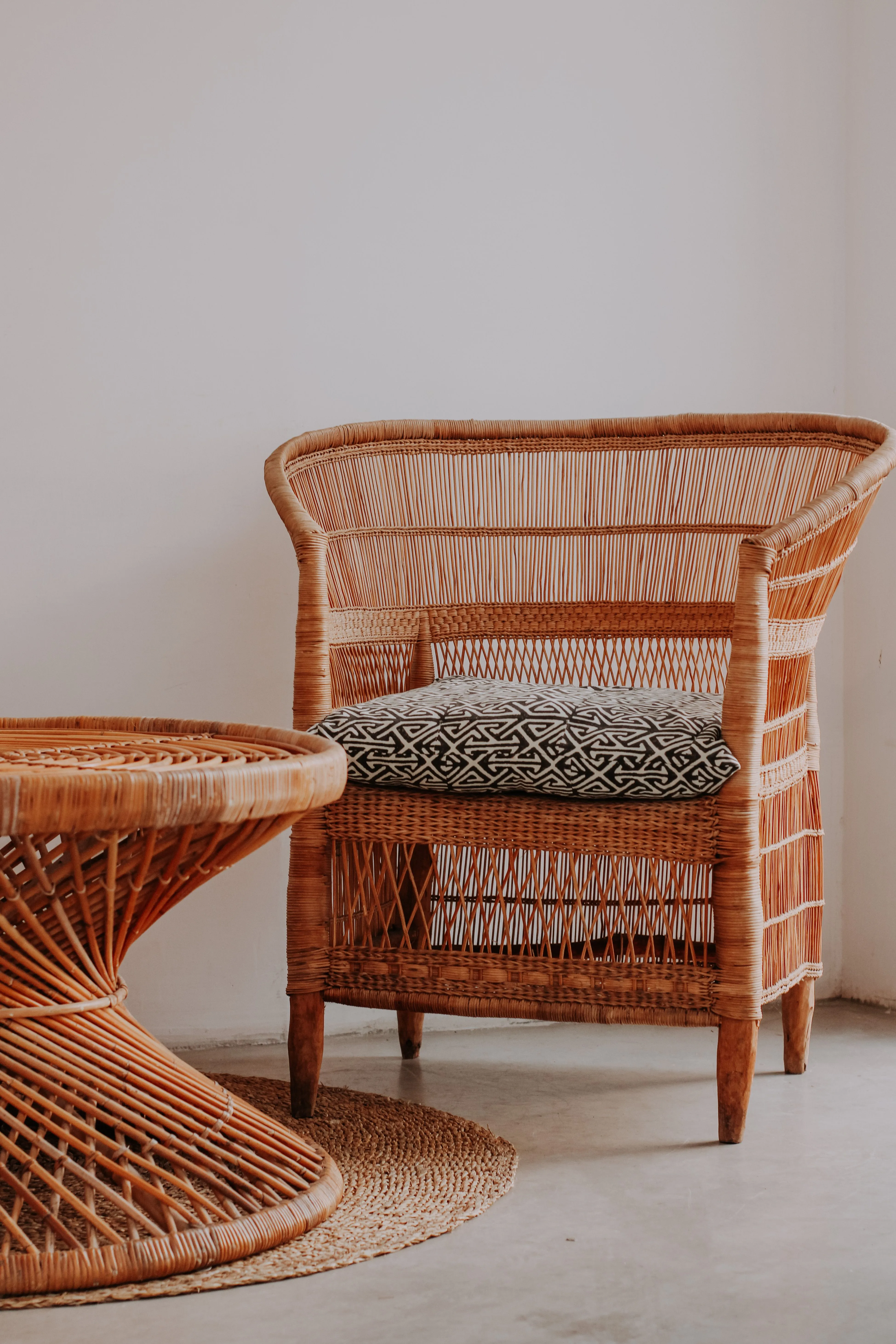
Rattan Guide | November 20, 2026
Los marcos curvos de los muebles de ratán se fabrican seleccionando postes de ratán adecuados, ablandándolos con calor o vapor y doblándolos alrededor de moldes o plantillas para lograr la forma requerida.
See Details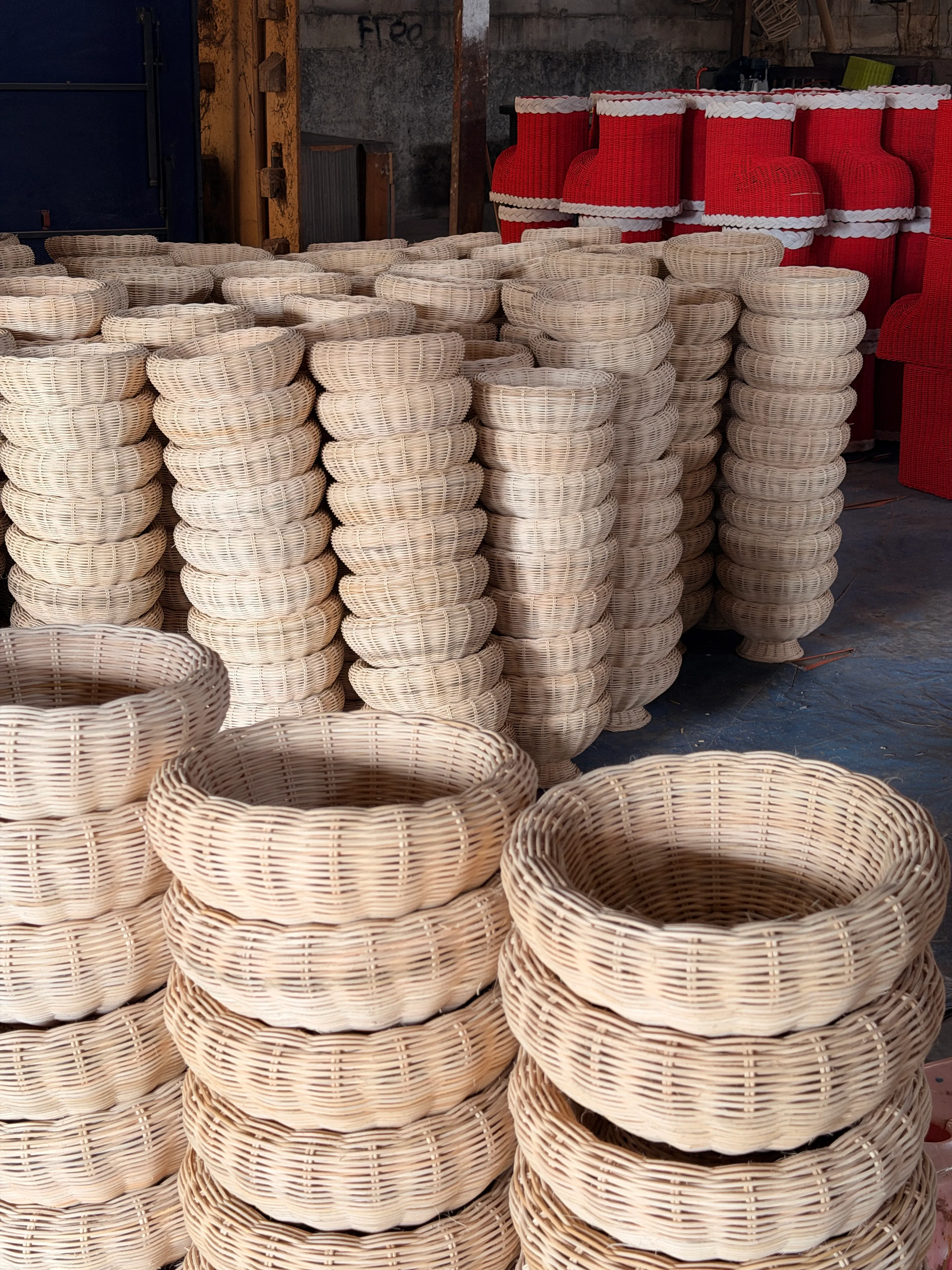
Rattan Guide | November 18, 2026
Not all rattan furniture is made entirely from natural rattan. Some products use natural rattan poles and woven fibers, while others incorporate synthetic strands, timber, metal, or upholstery. The term rattan furniture can therefore describe different material combinations, even when the finished products have similar appearances.
See DetailsSubcribe to our insight newsletter and be the first to receive the latest article and news updates form Tradeasia