
Buyer Guide | November 23, 2026
What Makes a Rattan Chair Comfortable for Long-Term Seating?
A comfortable rattan chair should provide good back support, enough sitting space, and a seat that remains comfortable over time.
See Details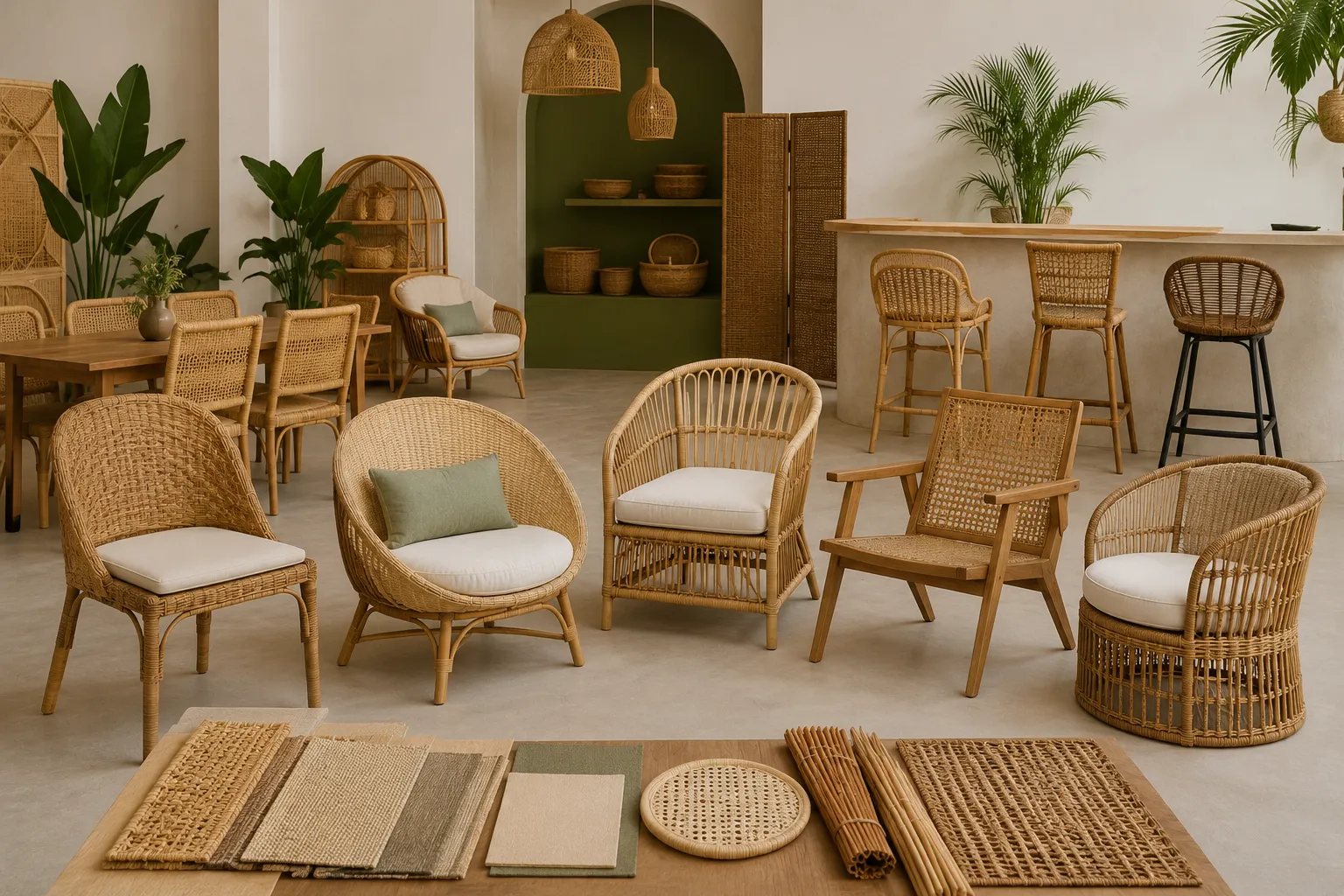
Wholesale rattan chairs are becoming an important product category for B2B furniture buyers who want natural, lightweight, stylish, and commercially versatile seating options. From dining chairs and lounge chairs to accent chairs, armchairs, bar stools, and hospitality seating, rattan chairs can serve many markets across retail, wholesale, interior design, hotel procurement, restaurant furnishing, and export distribution.
For furniture retailers and wholesalers, rattan chairs are attractive because they can be sold across different customer segments. A rattan dining chair may work for residential dining rooms, cafés, restaurants, villas, hotels, and interior projects. This makes the product category flexible for both small retailers and large-volume buyers.
For hospitality buyers, rattan chairs can create a warm and relaxed atmosphere. Hotels, resorts, restaurants, beach clubs, cafés, and villas often use rattan seating to support natural design concepts. For interior project buyers, rattan chairs can also help soften modern spaces with texture and handmade appeal.
Wholesale rattan chairs are rattan-based seating products purchased in bulk for resale, project installation, hospitality use, or distribution. They may be made from natural rattan, synthetic rattan, or a combination of rattan with wood, metal, cane, fabric, or other materials.
In B2B sourcing, wholesale rattan chairs are usually ordered with specific product requirements. Buyers may request certain dimensions, colors, finishes, cushion fabrics, frame types, packaging standards, and order quantities.
The term “wholesale rattan chairs” can include many product types. This is why buyers should define the exact chair category before requesting quotations. A dining chair, lounge chair, and bar stool will have different material requirements, frame strength requirements, packaging needs, and price points.
Dining Chairs
Rattan dining chairs are one of the most common product options for wholesale buyers. They are suitable for furniture retailers, restaurants, cafés, hotels, villas, and home dining collections.
B2B buyers should check seat height, backrest comfort, frame strength, leg stability, weaving consistency, and stacking possibility. For restaurant and hospitality use, durability is especially important because the chairs may be used every day.
Dining chairs may use full rattan frames, wooden frames with rattan cane seats, metal frames with woven rattan backs, or mixed-material construction. Buyers should confirm the exact material and structure before comparing supplier quotations.
Lounge Chairs
Rattan lounge chairs are designed for relaxation and visual impact. They are commonly used in living rooms, hotel lobbies, resort rooms, villas, lounge areas, and interior design projects.
For wholesale buyers, lounge chairs usually require stronger attention to comfort, seat depth, cushion thickness, armrest height, and overall frame balance. Since lounge chairs are often larger than dining chairs, packaging and container loading efficiency should also be reviewed.
Natural rattan lounge chairs are often selected for indoor or covered spaces because they create a premium natural look. Buyers should ask suppliers whether the finish is suitable for the intended environment.
Armchairs
Rattan armchairs combine seating comfort with decorative value. They are suitable for residential furniture collections, hospitality rooms, reading corners, cafés, and boutique interiors.
When sourcing rattan armchairs, buyers should check armrest strength, frame joint quality, seat comfort, weaving tightness, and finishing smoothness. The product should feel stable and comfortable, not only visually attractive.
For bulk orders, buyers should also confirm size consistency. Small differences in armrest height, seat height, or frame curve can affect product uniformity across a collection.
Accent Chairs
Rattan accent chairs are often used as statement pieces in interior design. They may feature curved backs, sculptural frames, cane panels, woven seats, or decorative patterns.
For retailers, accent chairs can support premium product positioning because they add style and texture to a furniture collection. For interior designers, they are useful for creating visual warmth in a room.
B2B buyers should be careful when sourcing complex accent chair designs. More detailed designs may require higher craftsmanship, longer production time, and more careful packaging.
Bar Chairs and Counter Stools
Rattan bar chairs and counter stools are popular for cafés, restaurants, kitchen islands, hotel bars, beach clubs, and hospitality projects.
Buyers should confirm seat height carefully because bar chairs and counter stools are not the same. The frame must also be strong enough to support higher seating positions. Footrest strength, leg stability, and anti-slip protection are important details.
For commercial use, buyers should ask whether the stool design has been tested for stability and repeated use. A tall rattan stool with weak construction may create safety and durability risks.
Outdoor-Style Rattan Chairs
Outdoor-style rattan chairs are usually made from synthetic rattan or weather-resistant materials. They are commonly used for patios, balconies, gardens, poolside areas, outdoor cafés, and resorts.
Buyers should not assume that all rattan chairs are suitable for outdoor use. Natural rattan is generally better for indoor or covered spaces, while synthetic rattan is often more suitable for weather-exposed areas.
For outdoor-style chairs, buyers should check UV resistance, frame rust resistance, cushion fabric, water drainage, and cleaning requirements.
Natural rattan chairs are valued for their authentic texture, organic appearance, and handcrafted appeal. They are often chosen for indoor furniture, boutique retail collections, resort interiors, and natural home décor.
Synthetic rattan chairs are designed to imitate the look of rattan while offering stronger outdoor performance. They are usually made from PE, resin, PVC, or similar plastic-based materials. These chairs are commonly used for outdoor furniture, patio seating, poolside areas, and garden collections.
For B2B buyers, the best choice depends on the product use. Natural rattan chairs are stronger for indoor aesthetics and premium natural positioning. Synthetic rattan chairs are usually stronger for outdoor durability and lower maintenance.
Wholesale buyers can choose from various product options depending on market needs. These options may include natural finish, stained finish, painted finish, cushion seat, upholstered seat, cane back, woven rattan back, wooden frame, metal frame, and fully woven rattan construction.
Buyers can also choose between assembled and knock-down designs. Fully assembled chairs may feel stronger and more premium, but they can take more container space. Knock-down designs may improve shipping efficiency but require clear assembly instructions and strong hardware.
Product options should be selected based on target market, retail price range, shipping cost, installation needs, and customer expectations.
The right rattan chair design depends on the buyer’s business model. Retailers may need visually attractive designs that fit current interior trends. Wholesalers may prioritize repeatable bestsellers with broad market appeal. Hospitality buyers may focus on durability, comfort, and project consistency.
Buyers should also consider the target use. A dining chair needs correct seat height and easy movement. A lounge chair needs comfort and visual appeal. A bar stool needs strong stability and proper footrest placement.
Before confirming a design, buyers should request product dimensions, material details, finish options, frame information, product photos, and sample availability.
Quality control is critical for wholesale rattan chairs. Buyers should check whether the rattan material is smooth, properly finished, and free from major cracks or rough edges.
The frame should be stable and strong. For chairs, frame weakness can lead to product returns, safety concerns, and customer complaints. Buyers should check leg strength, joint construction, seat support, backrest stability, and armrest connection if applicable.
Weaving should be tight, even, and clean. Loose weaving, broken strands, rough edges, or uneven patterns may reduce product value. For wholesale orders, consistency across units is just as important as the quality of one sample.
Indoor rattan chairs usually focus on appearance, comfort, finish, and natural material value. Natural rattan is often suitable for indoor and covered spaces where it is protected from direct rain and long-term moisture exposure.
Outdoor rattan chairs need different specifications. Buyers should consider synthetic rattan, weather-resistant frames, UV protection, water-resistant cushions, and easy-clean surfaces.
Hospitality buyers should be especially careful. A chair used in a hotel lobby faces different conditions from a chair used beside a pool. The sourcing specification should match the actual usage environment.
Many B2B buyers need customization to match their brand or project. Common customization options include size, color, finish, cushion fabric, weaving pattern, frame material, logo label, carton mark, and private label packaging.
Custom rattan chairs can support stronger brand differentiation, but buyers should manage customization carefully. Custom designs may require longer sampling time, higher MOQ, and more detailed quality control.
Buyers should confirm customization details in writing before production. This includes approved sample photos, technical drawings if available, material references, color codes, packaging requirements, and final order specifications.
MOQ, or minimum order quantity, varies depending on product type, material, customization level, and supplier capacity. Standard designs usually have lower MOQ than custom designs.
Pricing should be compared based on the same specification. A lower quotation may reflect thinner frames, lower-grade material, simpler weaving, weaker finishing, or cheaper packaging. Buyers should avoid comparing prices without checking product details.
Bulk buyers should also consider total landed cost. This includes product price, packaging, inland transport, freight, duties, taxes, inspection, warehousing, and damage risk. The lowest product price does not always create the best total value.
Packaging is a major factor in wholesale rattan chair sourcing. Chairs can be damaged during handling, container loading, long-distance shipping, and warehouse movement.
Buyers should ask for packaging details such as carton size, carton thickness, inner wrapping, corner protection, stacking method, and loading quantity. If the chairs are shipped assembled, container efficiency should be calculated carefully.
Export-ready suppliers should understand labeling, packing lists, carton marks, product protection, and loading standards. Poor packaging can create hidden costs through damage claims and replacement orders.
A reliable supplier should provide clear product information, realistic lead time, consistent quality, export packaging, and responsive communication. Buyers should check the supplier’s product range, production capacity, sample process, customization ability, and export experience.
Supplier evaluation should also include documentation and business credibility. Buyers may request a company profile, product specifications, material details, packaging photos, factory or workshop information, and previous export experience.
Communication is another important factor. A supplier that responds slowly or gives unclear answers during the RFQ stage may create bigger problems during production and shipment.
One common mistake is assuming all rattan chairs are made from natural rattan. Buyers should always confirm whether the product is natural rattan, synthetic rattan, cane, bamboo, seagrass, or mixed material.
Another mistake is choosing only based on price. A cheap chair may have weak construction, poor finishing, loose weaving, or inadequate packaging. This can lead to higher costs after delivery.
Buyers should also avoid placing bulk orders without samples. A sample helps verify material, dimensions, comfort, weaving quality, finish, packaging, and overall product value before mass production.
Before placing a wholesale rattan chair order, buyers should check:
Have you confirmed the chair type and intended use?
Is the chair made from natural rattan, synthetic rattan, or mixed material?
Is the product suitable for indoor, covered outdoor, or outdoor use?
Are dimensions, seat height, finish, and color confirmed?
Is the frame strong and stable?
Is the weaving tight, clean, and consistent?
Has the supplier confirmed MOQ and lead time?
Can the supplier provide samples before bulk production?
Are customization options clearly documented?
Is packaging suitable for export shipment?
Has the supplier provided clear pricing and payment terms?
Does the supplier respond quickly and professionally to RFQs?
Is the quotation based on the same specification as other offers?
Has the buyer considered total landed cost, not only unit price?
For indoor retail collections, natural rattan dining chairs, accent chairs, and lounge chairs are strong options because they offer authentic texture and premium design appeal. They work well for home furniture, boutique stores, villas, resorts, and interior projects.
For commercial outdoor spaces, synthetic rattan chairs may be more practical. They are usually better suited for patios, poolside areas, outdoor restaurants, and resort exterior spaces.
For wholesale buyers, the best product strategy may be to offer both. Natural rattan chairs can serve indoor and premium lifestyle markets, while synthetic rattan chairs can serve outdoor and hospitality markets.
Wholesale rattan chairs are a valuable product category for B2B buyers because they combine natural design appeal, functional seating, and broad market application. However, successful sourcing requires careful evaluation of material, design, frame strength, weaving quality, finishing, MOQ, pricing, packaging, and supplier reliability.
Buyers should not select products based only on photos or low prices. A strong sourcing decision should consider product use, target market, durability, customization, export readiness, and total landed cost.
By working with reliable rattan chair suppliers and using clear RFQ specifications, B2B buyers can reduce sourcing risk, improve product consistency, and build stronger furniture collections for retail, wholesale, hospitality, and interior project markets.
Looking for wholesale rattan chairs for retail, hospitality, interior projects, or global distribution? Submit your RFQ today and connect with reliable rattan furniture suppliers who can support your product specifications, customization needs, bulk order requirements, and export sourcing process.
Buyer Guide | November 23, 2026
A comfortable rattan chair should provide good back support, enough sitting space, and a seat that remains comfortable over time.
See Details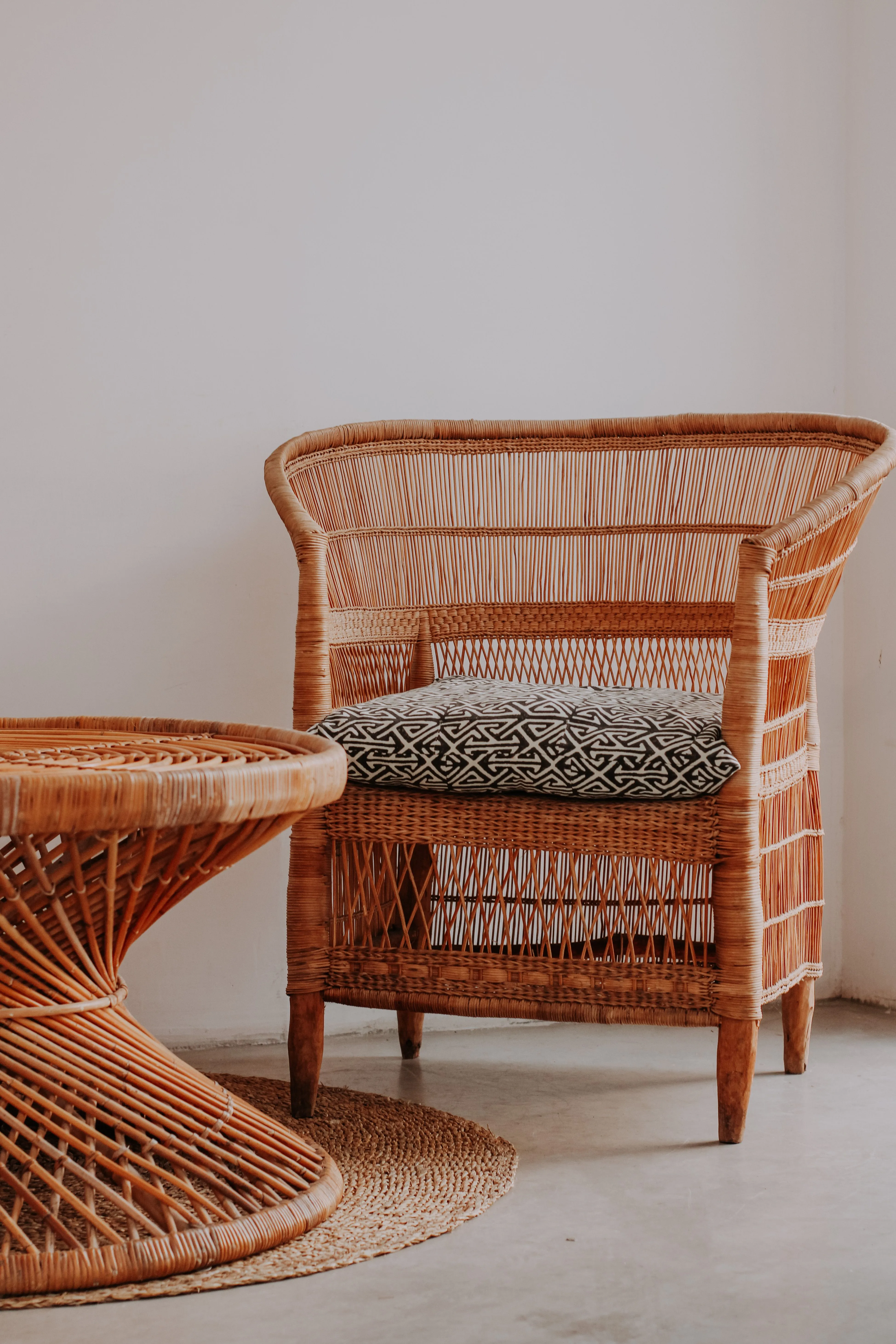
Rattan Guide | November 20, 2026
Curved rattan furniture frames are made by selecting suitable rattan poles, softening them with heat or steam, and bending them around molds or jigs to achieve the required shape.
See Details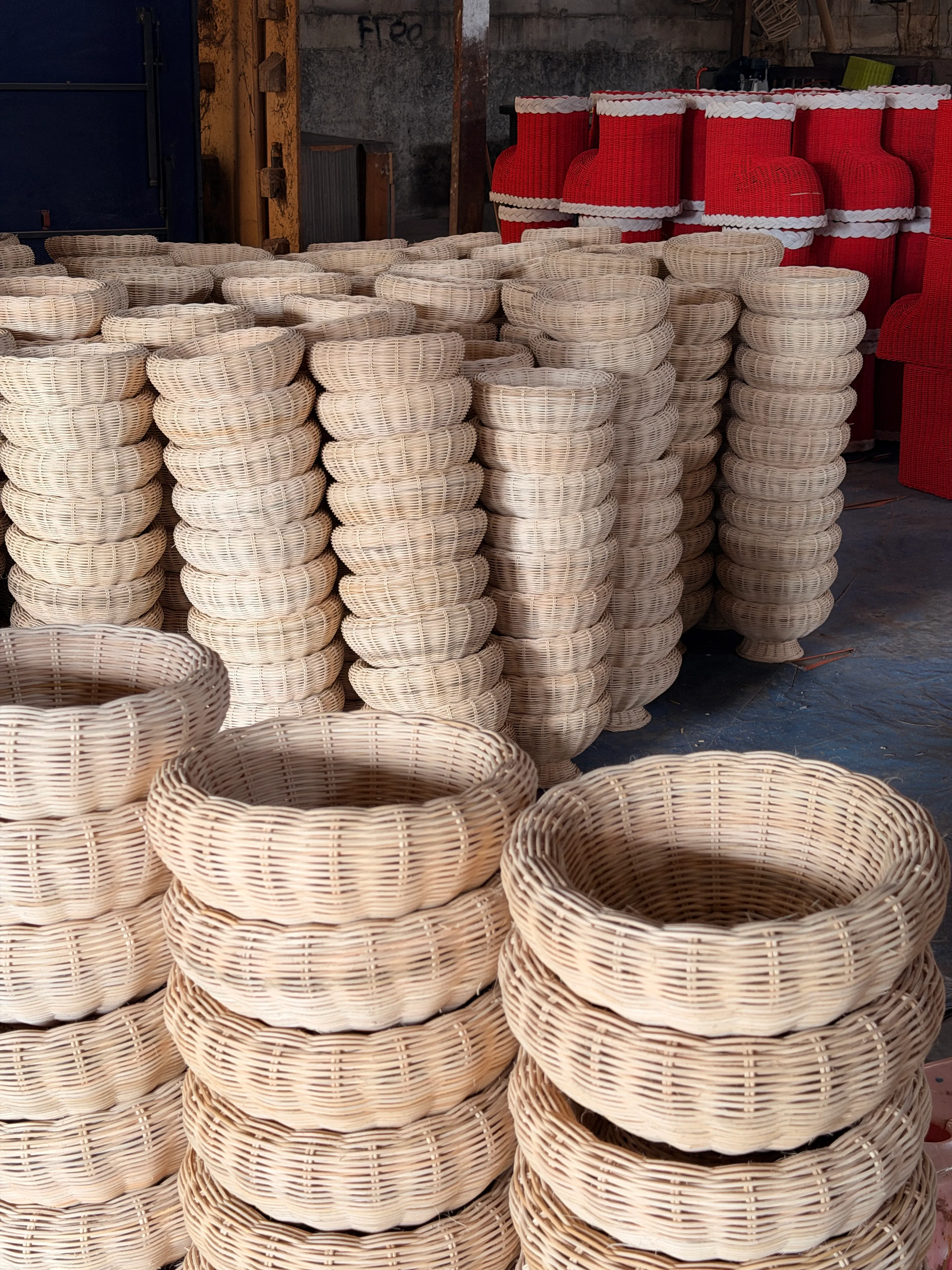
Rattan Guide | November 18, 2026
Not all rattan furniture is made entirely from natural rattan. Some products use natural rattan poles and woven fibers, while others incorporate synthetic strands, timber, metal, or upholstery. The term rattan furniture can therefore describe different material combinations, even when the finished products have similar appearances.
See DetailsSubcribe to our insight newsletter and be the first to receive the latest article and news updates form Tradeasia