
Buyer Guide | November 23, 2026
What Makes a Rattan Chair Comfortable for Long-Term Seating?
A comfortable rattan chair should provide good back support, enough sitting space, and a seat that remains comfortable over time.
See Details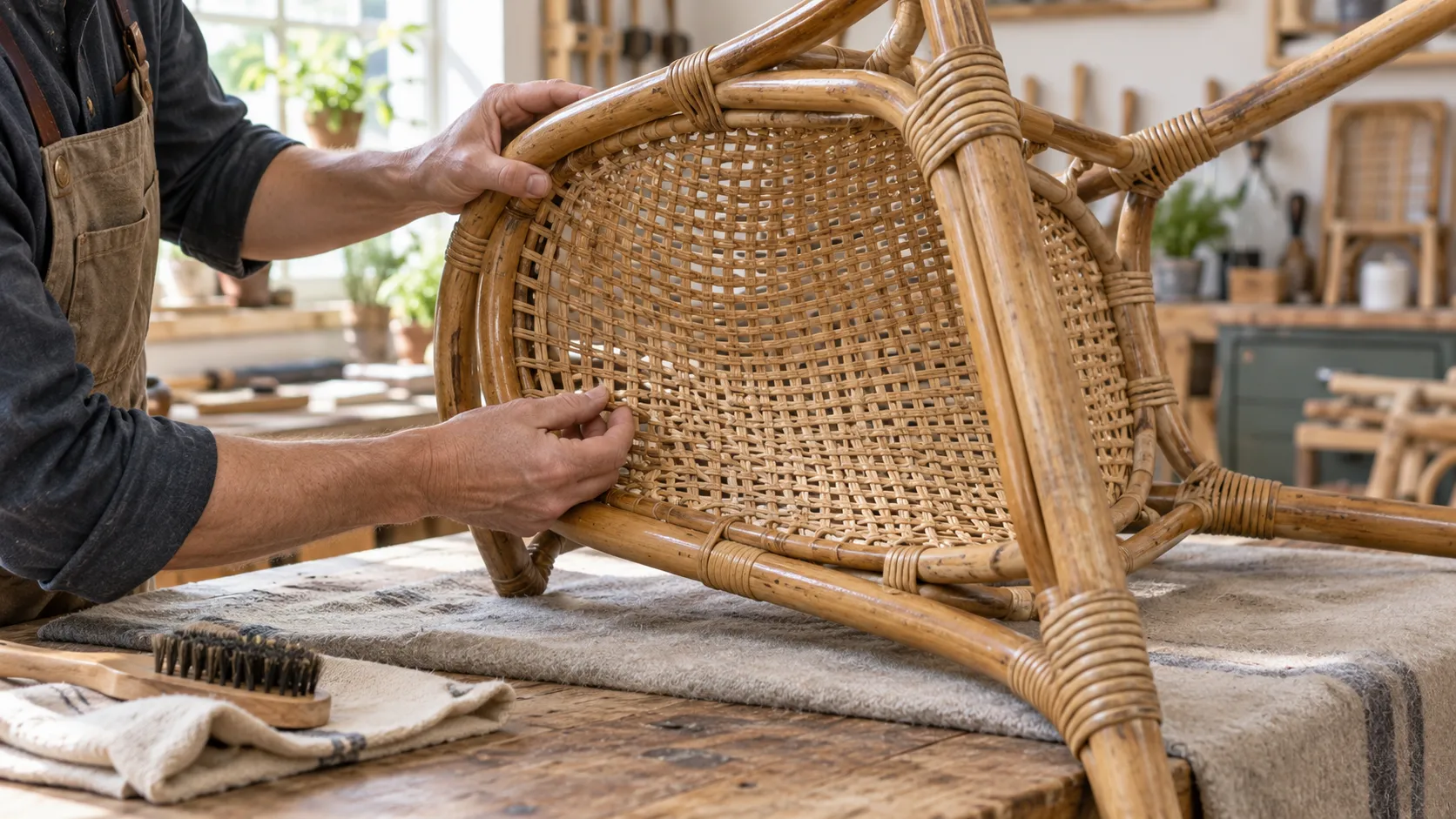
A sagging rattan chair seat does not always need replacing. Minor looseness in natural cane may improve with careful dampening and drying, while synthetic rattan usually requires secure attachments, restored tension, or additional support.
Before starting, identify the material and inspect the frame. The right repair depends on whether the problem is stretched weaving, broken strands, or damaged supports.
Natural rattan usually has visible fibers, subtle color variations, and a slightly textured surface. Synthetic rattan, including PE and HDPE wicker, generally looks and feels more uniform.
Appearance alone is not conclusive. Check the product specifications or ask the supplier if you are unsure, because the materials respond differently to moisture and heat.
Controlled dampening may help tighten an intact natural cane seat with minor sagging. It will not repair broken strands or failing attachment points.
Turn the chair over and gently remove dust with a soft brush or cloth. Check for splits, broken fibers, and loose edges before applying water.
If several strands are damaged, arrange reweaving instead of attempting to tighten them.
Where the furniture’s care instructions permit, use a cloth or sponge dampened with warm water to moisten the underside evenly.
Avoid soaking the seat or wetting wooden joints, adhesives, and surrounding finishes. The aim is controlled moisture, not saturation.
Leave the chair in a well-ventilated indoor area without using it. Drying may take 24 hours or longer, depending on humidity and airflow.
The cane may regain some tension as it dries. Once fully dry, check gently for improved firmness. Repeated or substantial sagging needs further inspection.
Water will not tighten synthetic wicker in the same way as natural cane. Focus on the weave attachments and supporting structure.
Inspect the underside for loose weave ends, damaged webbing, missing fasteners, bent supports, or cracked welds.
Repair structural damage before addressing the woven surface. Tightening strands cannot compensate for a weakened frame.
Return loose ends to their original position using an attachment method compatible with the chair’s construction.
Use suitable fasteners or an adhesive specifically compatible with both materials. Do not assume ordinary wood glue will bond synthetic wicker.
When intact strands have stretched permanently, properly fitted furniture webbing or support straps may help distribute the seating load.
The frame must support the attachments securely. Keep drainage and folding mechanisms clear, and seek professional repair if suitable fixing points are uncertain.
Avoid heat unless the manufacturer provides repair instructions. Excessive heat can distort synthetic strands, and warming does not reliably reverse permanent stretching.
Consider replacing the weave when strands are broken, brittle, split, or pulling away from the frame. Extensive stretching also makes local repairs less dependable.
After any repair, check attachments and apply gentle hand pressure before use. Stop if strands shift, joints separate, or the frame moves unexpectedly.
Fixing a sagging rattan chair seat starts with identifying the material and the cause. Minor looseness in intact natural cane may respond to careful dampening, while synthetic wicker often needs attachment repairs or additional support. Damaged weaving requires replacement.
Planning to replace worn seating for your hotel, restaurant, or furniture business? Explore Rattan Tradeasia and share your product preferences, quantities, and intended use to discuss your sourcing requirements.
Buyer Guide | November 23, 2026
A comfortable rattan chair should provide good back support, enough sitting space, and a seat that remains comfortable over time.
See Details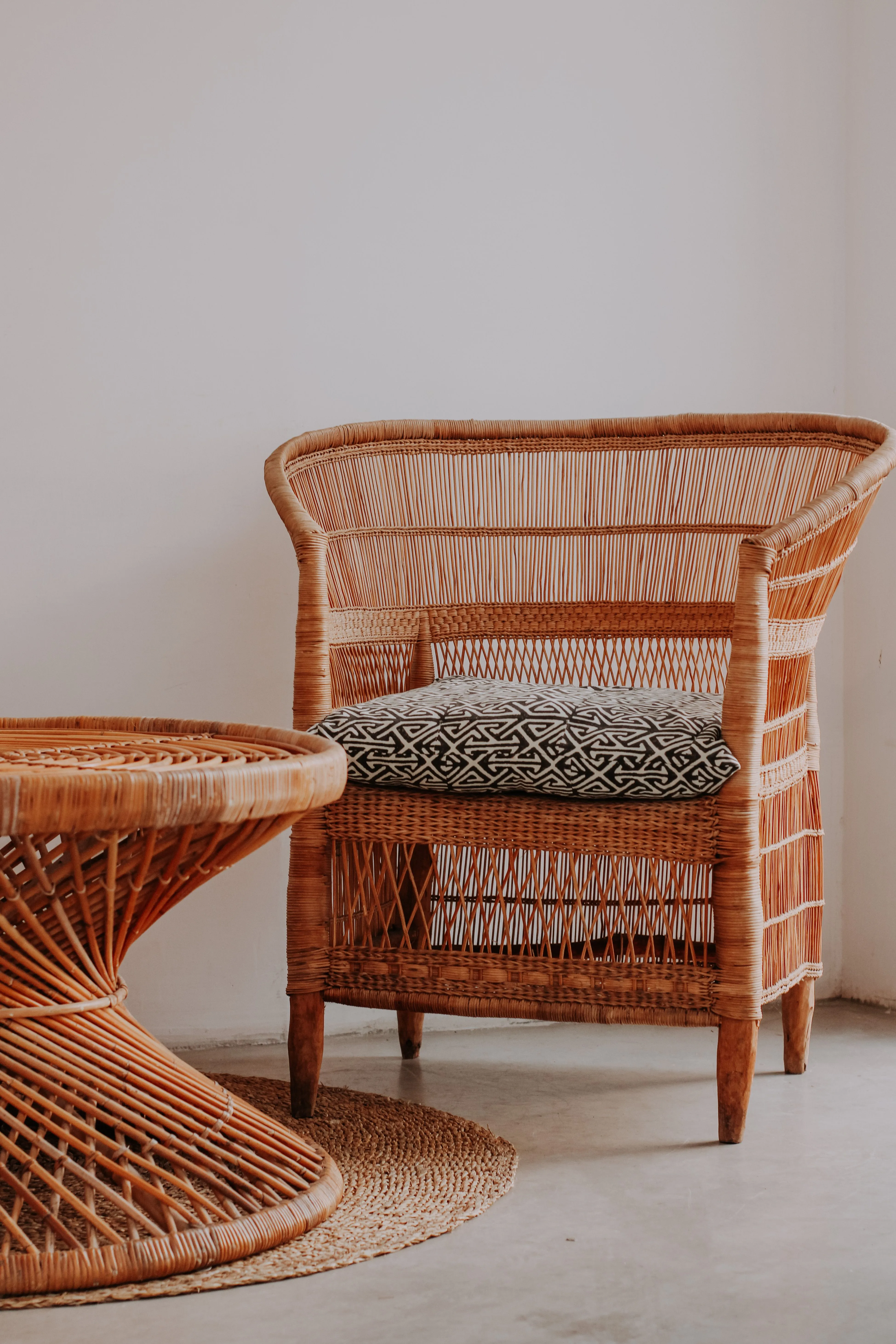
Rattan Guide | November 20, 2026
Curved rattan furniture frames are made by selecting suitable rattan poles, softening them with heat or steam, and bending them around molds or jigs to achieve the required shape.
See Details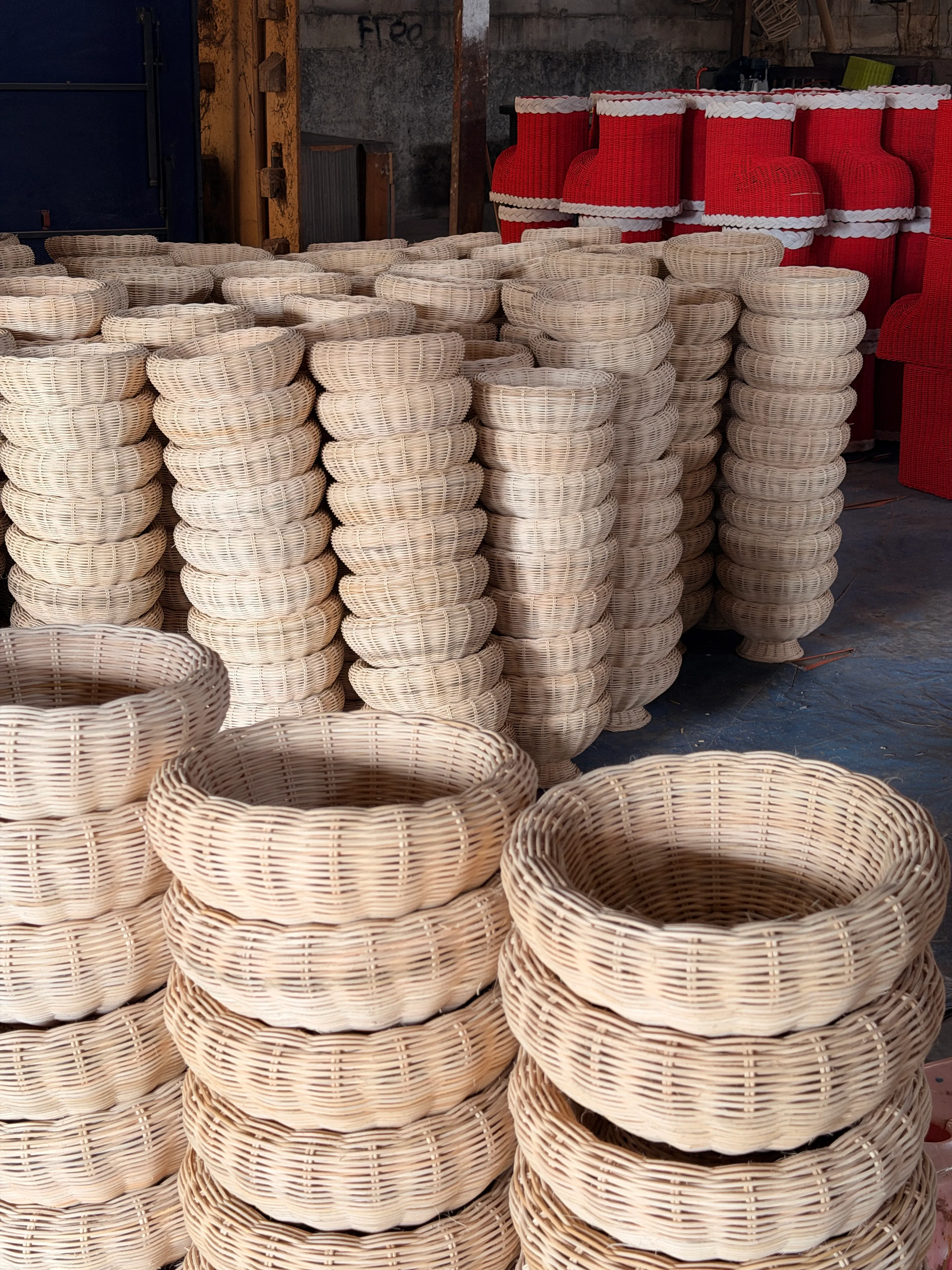
Rattan Guide | November 18, 2026
Not all rattan furniture is made entirely from natural rattan. Some products use natural rattan poles and woven fibers, while others incorporate synthetic strands, timber, metal, or upholstery. The term rattan furniture can therefore describe different material combinations, even when the finished products have similar appearances.
See DetailsSubcribe to our insight newsletter and be the first to receive the latest article and news updates form Tradeasia