
Buyer Guide | November 23, 2026
What Makes a Rattan Chair Comfortable for Long-Term Seating?
A comfortable rattan chair should provide good back support, enough sitting space, and a seat that remains comfortable over time.
See Details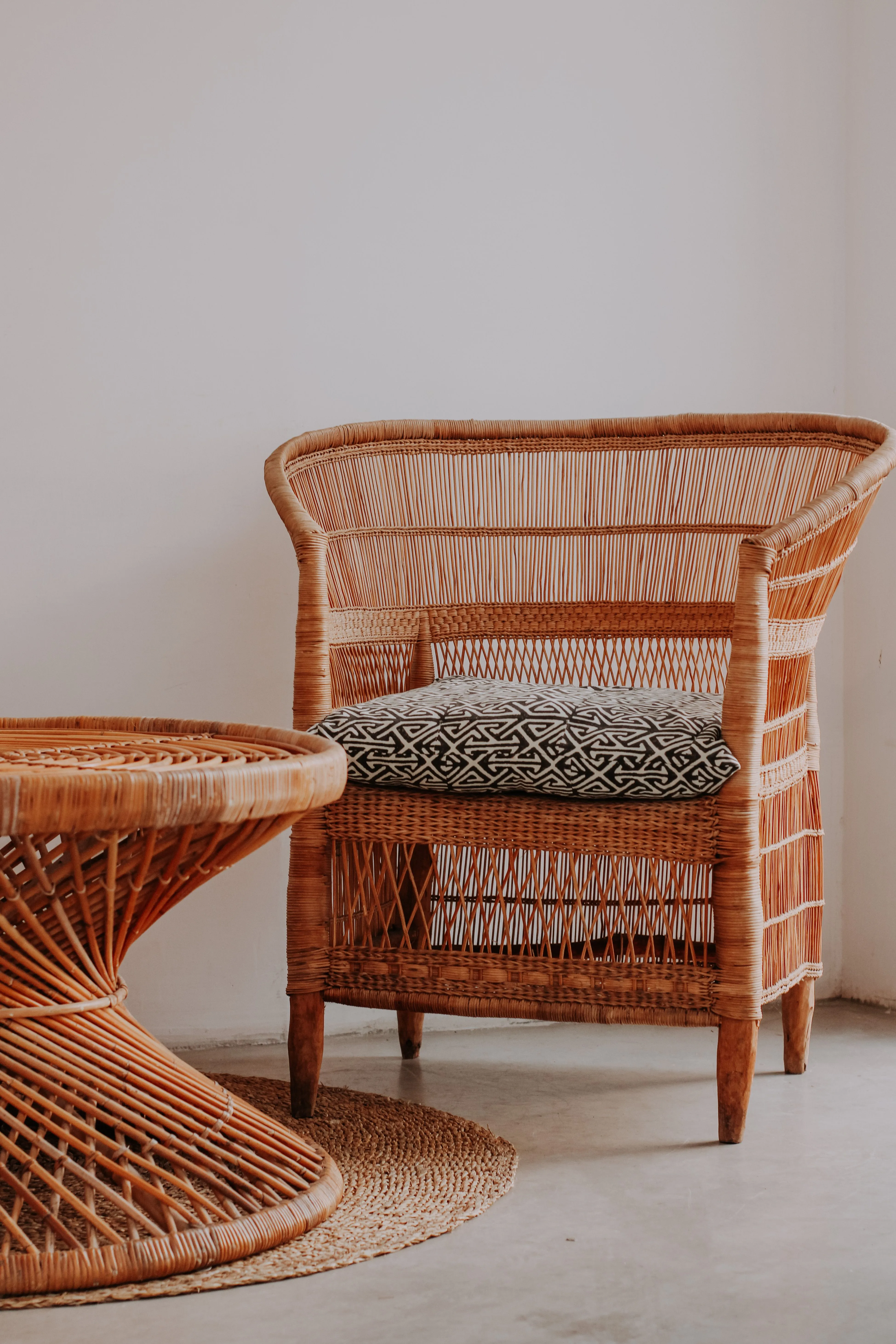
Curved rattan furniture frames are made by selecting suitable rattan poles, softening them with heat or steam, and bending them around molds or jigs to achieve the required shape. The poles are held in position while they cool and dry, allowing the curved components to retain their form before furniture assembly. This technique is commonly used to create rounded chair backs, armrests, and decorative furniture frames.
The process requires more than bending a flexible material. Pole quality, moisture content, heating conditions, and accurate shaping all influence the consistency and durability of the finished furniture.
Rattan is a climbing palm with solid, fibrous stems that can be shaped into curved furniture components. Unlike hollow bamboo culms, natural rattan poles can accommodate certain bends when properly selected and softened, making them useful for rounded furniture structures.
However, not every rattan pole can be bent to the same degree. Species, diameter, maturity, and existing material defects influence how much curvature can be achieved without damage. Smaller-diameter poles generally allow tighter bends than larger ones, while forcing a pole beyond its bending capacity can cause splitting, flattening, or breakage.
This is why furniture manufacturers consider material characteristics during the design stage. A curved chair frame must be developed around the properties of the selected pole rather than assuming any rattan material can follow the desired shape.
Steam bending is a common technique for creating curved rattan furniture components. Before bending, manufacturers select suitable poles, straighten them where necessary, and cut them according to the furniture design.
The prepared poles are then exposed to steam, which supplies heat and moisture to make the material easier to shape. According to technical manufacturing guidance from the Food and Agriculture Organization (FAO), traditional rattan steaming processes commonly operate around 100°C, with treatment duration depending on the pole's dimensions and condition.
Once softened, the pole is bent around a prepared jig or mold. The jig guides the material into the required curvature and helps maintain consistency between matching furniture components. This is particularly important when producing multiple chair frames with the same dimensions.
After bending, the material remains secured until the new shape has sufficiently set. The required setting and drying period varies with the material and manufacturing process. Removing a pole too early can allow unwanted movement or changes in its curvature.
Molds and jigs help manufacturers reproduce curved shapes with greater consistency. Without a defined form, slight differences in bending can affect chair dimensions, symmetry, and the alignment of connected components.
For example, a rattan lounge chair may require two matching curved armrests and a rounded backrest. Each component must fit the intended frame geometry so that the assembled chair remains balanced and visually consistent.
A jig also provides support during forming and setting, reducing the need to repeatedly adjust the pole after bending. However, it does not eliminate the importance of material selection and operator skill. Incorrect bending pressure, unsuitable pole dimensions, or excessive curvature can still cause defects.
For custom furniture projects, producing and approving a sample frame before bulk manufacturing can help establish the required dimensions, curvature, and appearance.
After bending and drying, the curved components are prepared for assembly. Manufacturers may trim, sand, and join the shaped poles to create chair frames, armrests, or other furniture structures.
Connections can involve fitted joints, screws, nails, or other fastening methods depending on the furniture design. Rattan peel may also be wrapped around selected connections to cover fasteners and create a consistent appearance. These bindings should not automatically be assumed to provide the main structural strength of a joint.
Once the frame is assembled, manufacturers may add woven rattan core, peel, upholstery, or other seating materials. The frame and woven components perform different functions, making their individual specifications important for furniture quality.
Finishing processes, including sanding, coloring, and protective coating, are then applied according to the product requirements. The result depends on both the accuracy of the curved components and the quality of their assembly.
Improper bending can create cracks, surface damage, flattened sections, or unwanted changes in shape. These defects may result from unsuitable raw materials, insufficient softening, excessive bending pressure, or inadequate setting time.
Tight curves require particular attention because the inner and outer sides of the pole experience different stresses during bending. A pole that appears acceptable immediately after shaping may still develop defects if it has been overstressed or improperly dried.
Uneven curves can also affect furniture assembly. Misaligned components may require additional adjustment, creating inconsistencies between products or placing unnecessary stress on joints.
For this reason, finished frames should be inspected for visible splits, excessive deformation, poor symmetry, and unstable connections before weaving or finishing conceals important areas.
For furniture buyers, curved-frame quality should be evaluated through both appearance and construction. A well-shaped frame should follow the approved design, maintain consistent proportions, and connect securely with the surrounding components.
When reviewing samples, buyers should examine curved sections for cracks, flattened areas, surface burns, and irregular bends. They should also verify that corresponding components match in shape and that the assembled furniture remains stable under its intended use.
For hotel, restaurant, and wholesale furniture orders, an approved reference sample can establish expectations for curvature, dimensions, joint finishing, and acceptable natural variations. These details are particularly useful for custom designs where manufacturing consistency matters across multiple units.
Understanding how curved frames are produced also helps buyers discuss design feasibility with suppliers before approving production. Some shapes may require adjustments to pole dimensions, bending radius, or component construction to achieve a suitable result.
Curved rattan furniture frames are produced through careful material selection, heat-assisted bending, shaping, and assembly. The quality of each stage affects the finished furniture's appearance and construction. Buyers exploring curved rattan designs can discuss material specifications and customization options with Rattan Tradeasia to align furniture choices with their project requirements.
Buyer Guide | November 23, 2026
A comfortable rattan chair should provide good back support, enough sitting space, and a seat that remains comfortable over time.
See Details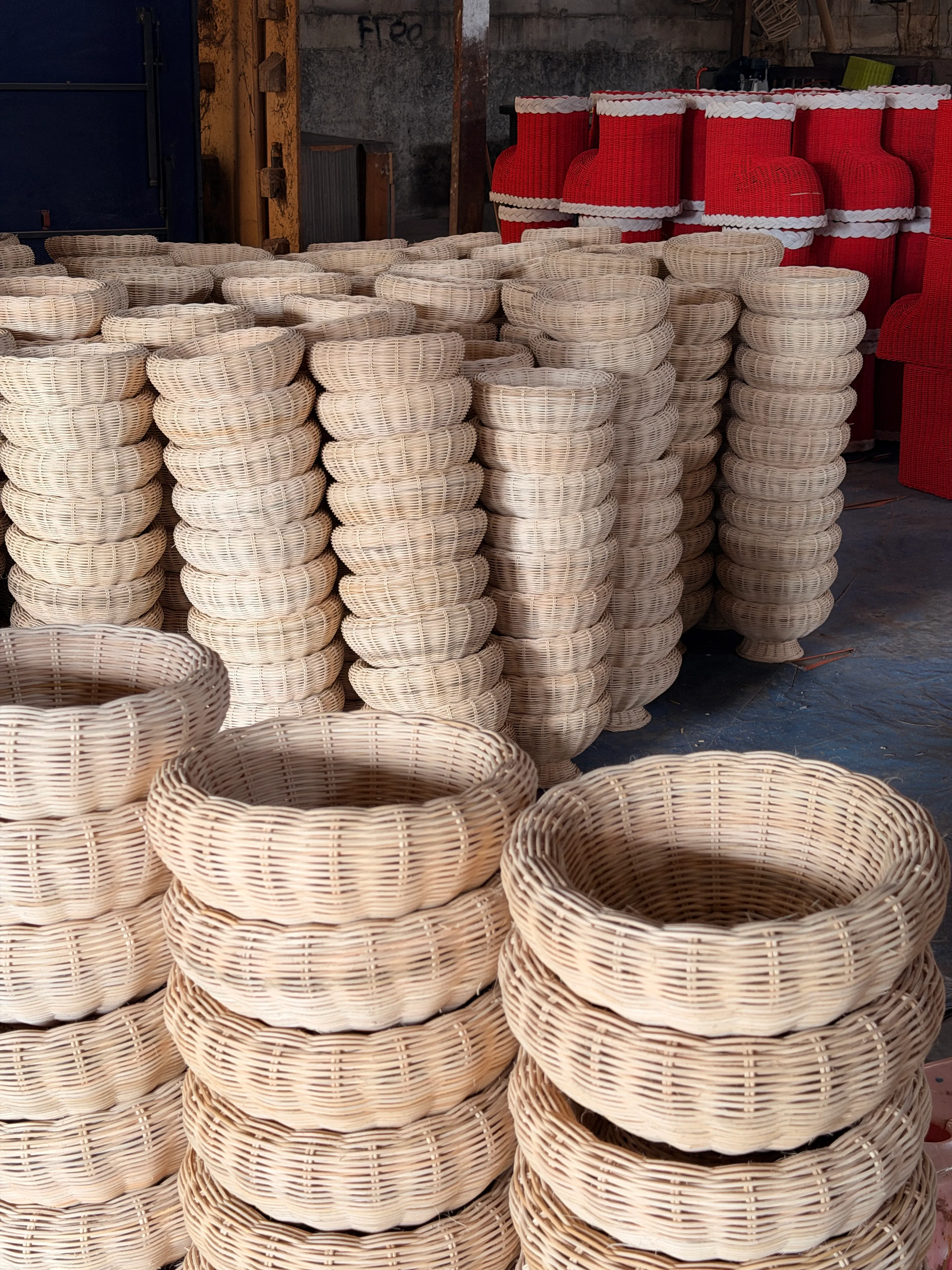
Rattan Guide | November 18, 2026
Not all rattan furniture is made entirely from natural rattan. Some products use natural rattan poles and woven fibers, while others incorporate synthetic strands, timber, metal, or upholstery. The term rattan furniture can therefore describe different material combinations, even when the finished products have similar appearances.
See Details
Rattan Guide | November 16, 2026
The amount of manual work depends on the furniture design, materials, and manufacturing techniques. Some products feature hand-shaped frames and individually woven surfaces, while others combine handcrafted components with prepared materials.
See DetailsSubcribe to our insight newsletter and be the first to receive the latest article and news updates form Tradeasia