Buyer Guide | November 23, 2026
What Makes a Rattan Chair Comfortable for Long-Term Seating?
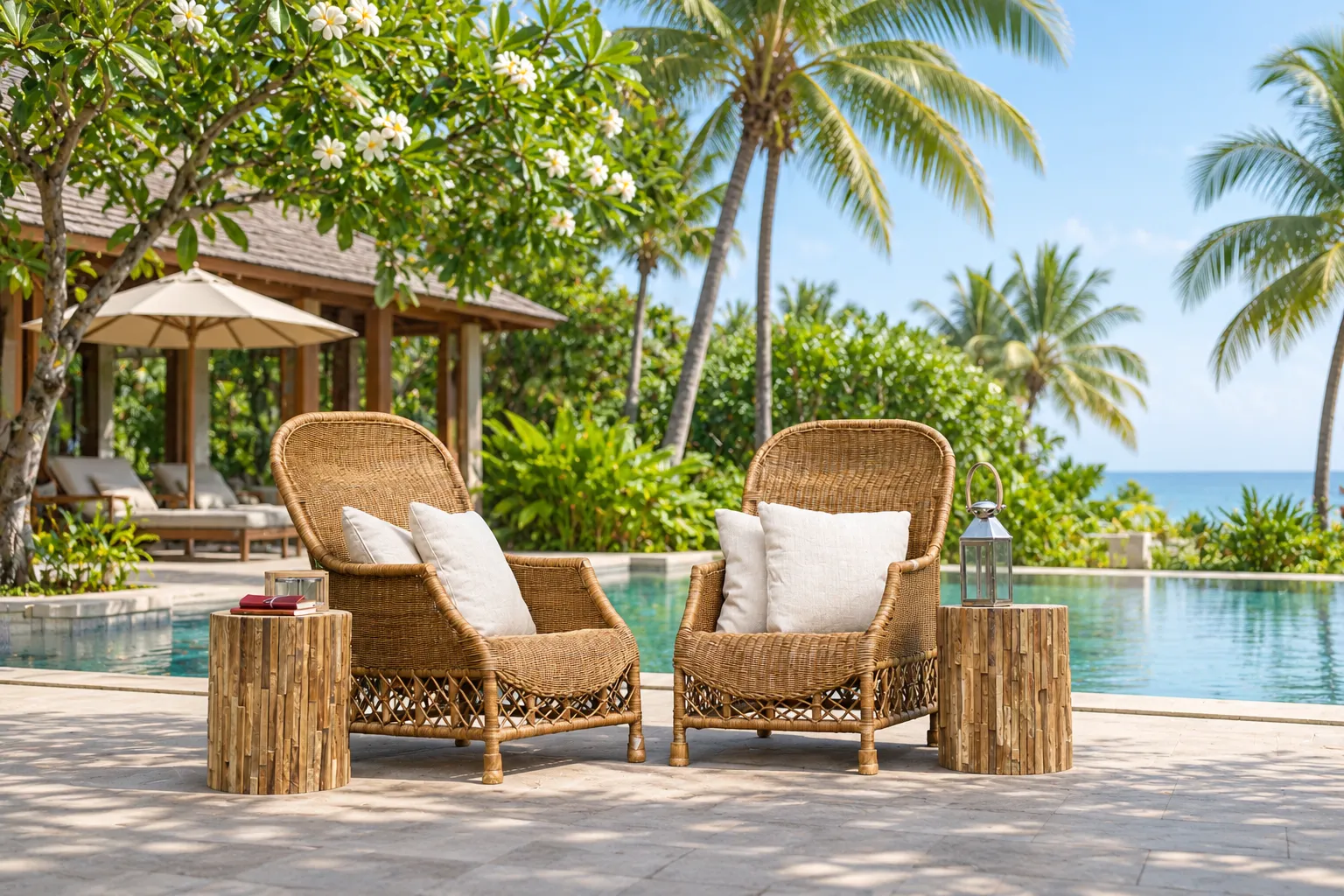
A comfortable rattan chair should provide good back support, enough sitting space, and a seat that remains comfortable over time.
See Details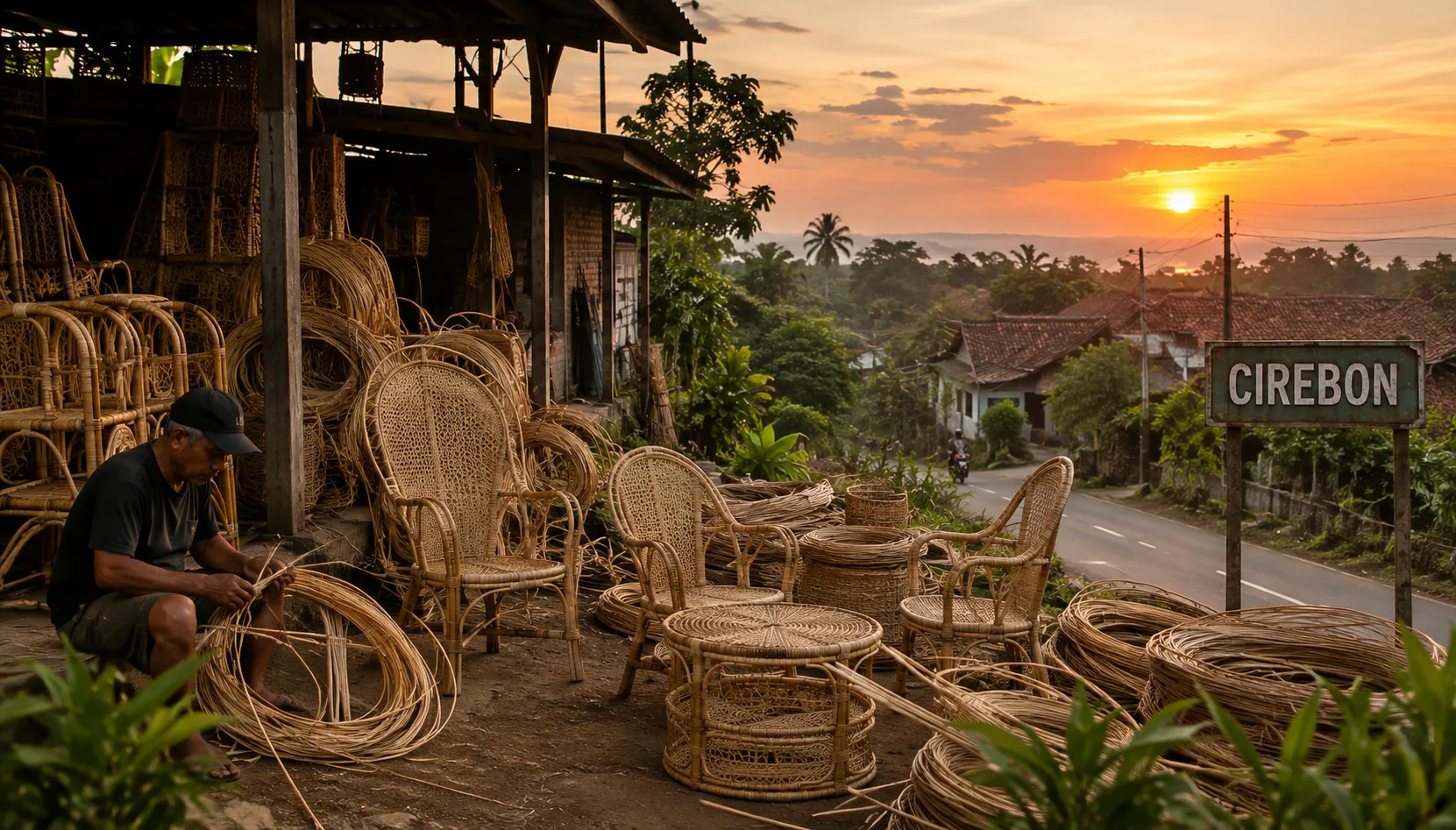
Cirebon, a coastal city on Java's north coast has known as the heart of Indonesia's rattan industry, this bustling city and its surrounding regency produce over 70% of the country's rattan furniture and handicrafts. For international buyers, understanding Cirebon's unique position can lead into discovery of a legacy of artistry, resilience, and innovation that has shaped the global rattan market for decades.
Rattan has been part of Cirebon's cultural and economic fabric for centuries. Historical records suggest that as early as the 16th century, local artisans were weaving rattan into functional items like baskets and mats. The craft likely evolved from the region's abundant natural resources, the nearby forests of Java and Kalimantan provided prime rattan vines, while the city's strategic port facilitated trade with other islands and eventually international markets. During the Dutch colonial era, rattan exports from Cirebon gained prominence, with European demand for tropical furniture and decorative items driving early industrialization. The craft was passed down through generations, with family workshops honing techniques that blended local traditions with foreign influences. By the mid-20th century, Cirebon had solidified its reputation as the go-to source for quality rattan products in Indonesia, a status it continues to hold today. Over time, the industry expanded from simple household goods to sophisticated furniture pieces, catering to both domestic and export markets.
Several factors converge to make Cirebon the undisputed rattan manufacturing center of Indonesia. First is its geographical advantage. Cirebon sits on the northern coast of West Java, with easy access to the Java Sea and major shipping routes. This positioning allows for efficient logistics, both inbound (raw materials from Kalimantan, Sumatra, and Sulawesi) and outbound (finished goods to global ports). Second is the deep-rooted craftsmanship culture. Unlike mass-produced alternatives, rattan work requires skilled hands, and Cirebon has a critical mass of artisans who have inherited centuries-old techniques. The city is home to numerous training centers and informal apprenticeships that ensure the craft's survival. Third, the industry benefits from strong government support and clustering. The Cirebon regency has designated specific industrial zones, such as the Trusmi area, known for batik and rattan, where businesses benefit from shared infrastructure and collective knowledge. This clustering fosters innovation and reduces production costs. Additionally, Indonesia's abundant rattan supply gives Cirebon a competitive edge in raw material access. The combination of skilled labor, available resources, and strategic location has created a self-reinforcing ecosystem that is difficult to replicate elsewhere.
One of the most distinctive features of Cirebon's rattan industry is its network of dedicated craft villages, each specializing in particular product lines. These villages are not just production sites; they are living cultural heritage. For example, in the village of Kalipucang, artisans focus on intricate woven furniture, employing traditional hand-weaving techniques that produce strong, visually appealing patterns. Meanwhile, the village of Kesunean is renowned for its rattan baskets and storage solutions, often incorporating colored dyes and contemporary designs. Visitors to these villages can observe the entire production process, from raw rattan sorting to final assembly, and even collaborate with artisans on custom orders. For buyers, working directly with these villages offers several advantages: lower costs due to reduced overhead, flexibility in small batch orders, and direct access to specialized skills. However, it also requires careful quality control and adherence to production timelines. Many villages have established cooperative systems to manage collective orders and ensure consistent standards. As a buyer, visiting these villages can provide invaluable insights into the craftsmanship and allow you to build strong relationships with the people who create your products.
For more further reading: 7 Places in Indonesia Where Rattan Craftsmen Actually Live and Work
The hallmark of Cirebon's rattan products is their exceptional quality, a result of both material selection and finishing processes. Indonesian rattan is renowned for its strength, flexibility, and durability, with species like Calamus manan and Calamus caesius being particularly prized. In Cirebon, artisans are meticulous about selecting the right grades of rattan for each product, ensuring that the core is dense and the surface is clean. The production process involves several key steps: steaming to make the rattan pliable, shaping or bending, and then drying to set the form. Skilled workers execute these steps with precision, resulting in furniture that is both sturdy and elegant. Finishing is equally important—Cirebon artisans use natural oils, lacquers, and stains that enhance the rattan's warm tones while protecting it from moisture and pests. To maintain consistency, many workshops have implemented quality checkpoints throughout production, and some have adopted ISO certification. For buyers, the quality advantage translates into fewer returns, higher customer satisfaction, and the ability to command premium prices. A well-made Cirebon rattan piece can last for decades, making it a sustainable and worthwhile investment.
Cirebon is not just a city; it is the beating heart of Indonesia's rattan industry, a living testament to the power of craftsmanship and enterprise. From its centuries-old villages to its state-of-the-art manufacturing centers, Cirebon offers buyers an unmatched combination of quality, variety, and authenticity. The industry's resilience and adaptability have allowed it to thrive through economic shifts and global challenges, and its commitment to sustainability ensures that it will continue to prosper. For buyers seeking to source premium rattan products that are both beautiful and ethically produced, Cirebon is the ultimate destination. By understanding the local landscape, building strong relationships, and respecting the cultural heritage behind every piece, you can become part of a legacy that spans generations. Whether you are looking for a single signature item or a full container of bespoke furniture, Cirebon's artisans and manufacturers are ready to meet your needs with skill and pride. As the global marketplace increasingly values sustainable and artisanal goods, Cirebon stands ready to deliver, proving that this corner of Java is not only the heart of Indonesia's rattan industry but also a leader in the world of craft and design.
Buyer Guide | November 23, 2026
A comfortable rattan chair should provide good back support, enough sitting space, and a seat that remains comfortable over time.
See Details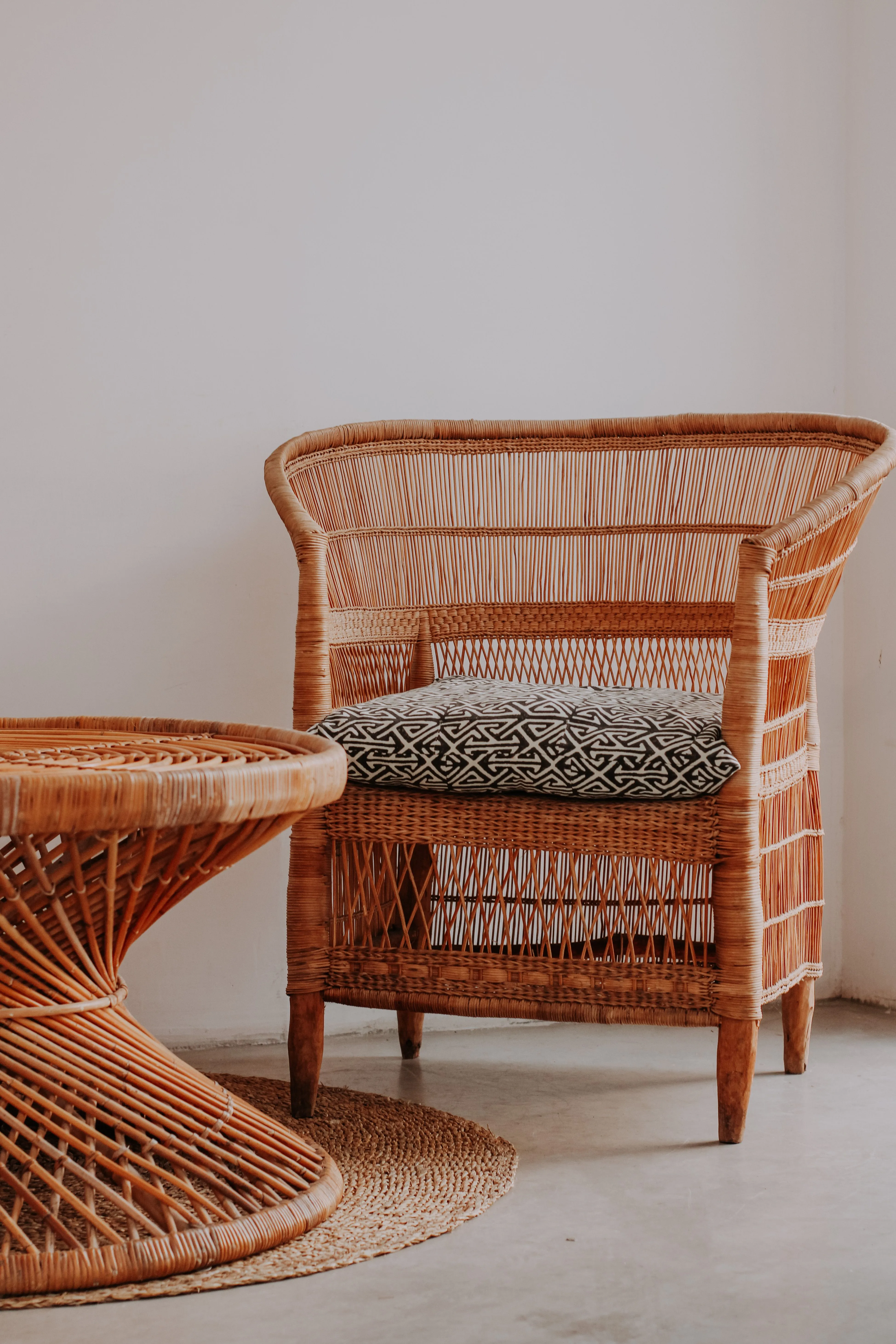
Rattan Guide | November 20, 2026
Curved rattan furniture frames are made by selecting suitable rattan poles, softening them with heat or steam, and bending them around molds or jigs to achieve the required shape.
See Details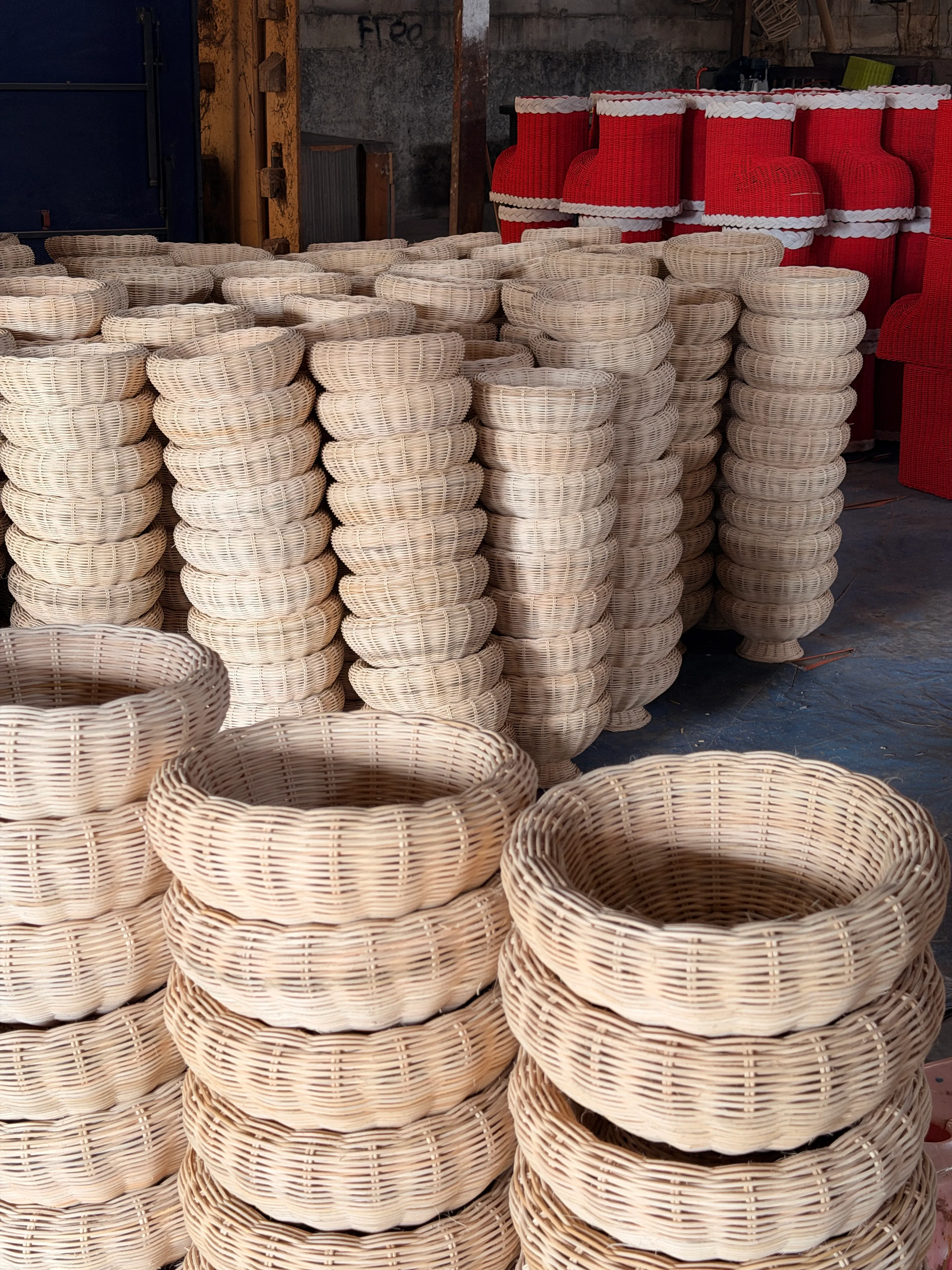
Rattan Guide | November 18, 2026
Not all rattan furniture is made entirely from natural rattan. Some products use natural rattan poles and woven fibers, while others incorporate synthetic strands, timber, metal, or upholstery. The term rattan furniture can therefore describe different material combinations, even when the finished products have similar appearances.
See DetailsSubcribe to our insight newsletter and be the first to receive the latest article and news updates form Tradeasia