
Buyer Guide | November 23, 2026
What Makes a Rattan Chair Comfortable for Long-Term Seating?
A comfortable rattan chair should provide good back support, enough sitting space, and a seat that remains comfortable over time.
See Details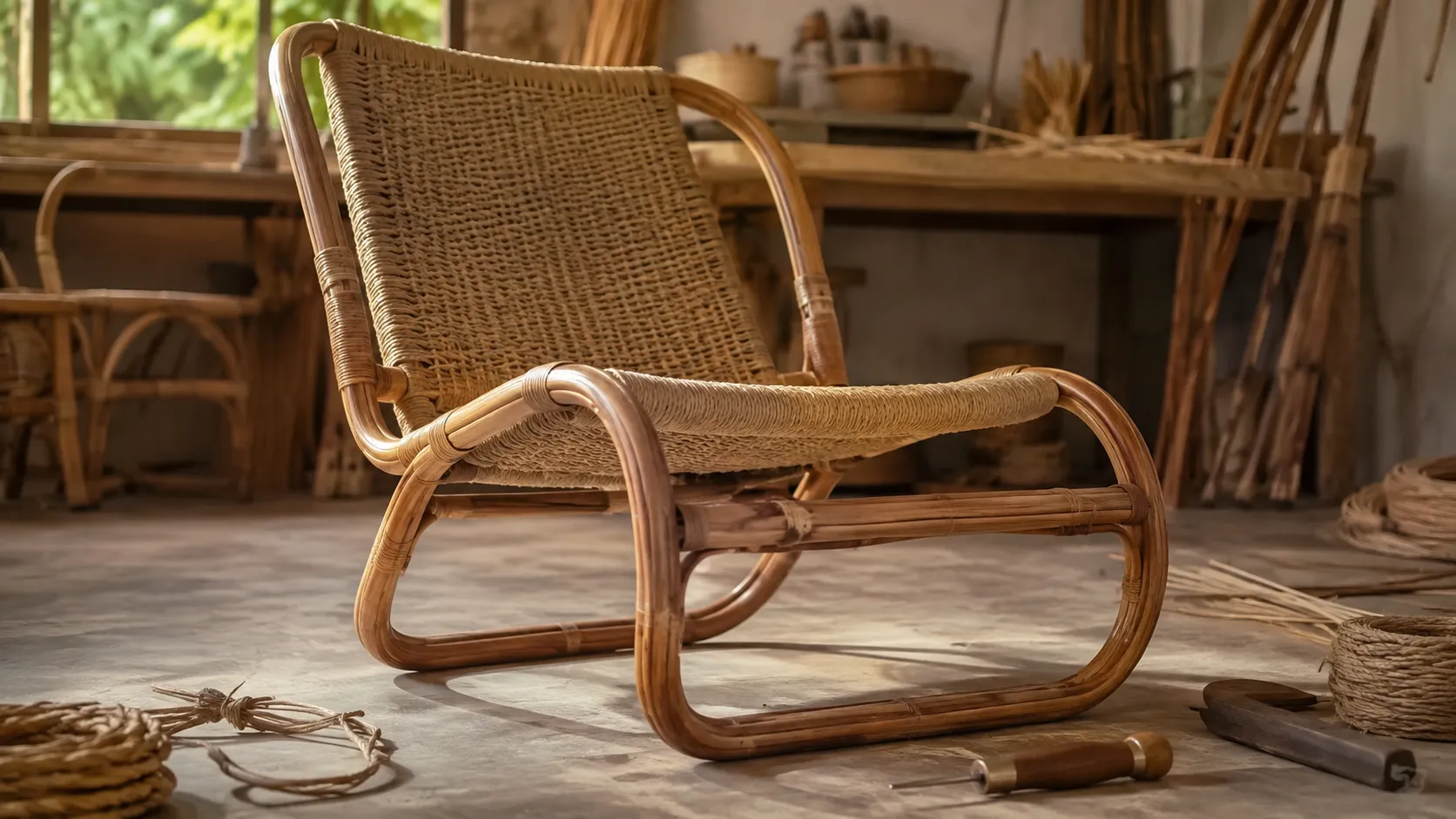
Rattan is a solid-stemmed climbing palm, not a hollow reed like bamboo. Rattan had solid core that makes it strong enough to serve as a furniture frame, while its fiber structure has a large microfibril angle in the fiber, which is the one that gives the flexibility to bend rather than snap.
As for Rope, in this context. It's a different material doing a different job: rattan (or steamed wood, or metal tube) which is to support the skeleton, the skin, by having them wrapped, or braided around the frame to form the seat, back, or decorative surface.
The short answer is that braiding and weaving are the same underlying skill, just applied to different fibers. Braiding rope is an ancient craft technique passed down in their factory from older generations of craftsmen to younger ones, the same way it happens with rattan. Their designers have gone as far as treating rope as a second dialect of the same craft language, mastering rattan's techniques let them translate that know-how into rope, applying the methods used in indoor rattan pieces to outdoor rope furniture.
Traditional rattan furniture-making already relies on a small set of core techniques, and rope work slots directly into that same process:
Steam bending: rattan poles are heated with steam until pliable, then shaped and cooled so they hold their curve, a process that lets artisans create the intricate curves and durable frames rattan furniture is known for.
Weaving and binding: thinner strips are interlaced in patterns like open weave, tight weave, or herringbone, and used to lash joints together, adding both strength and decorative detail without nails or screws.
Braiding: rattan artisans also braid multiple strands together to build a thicker, stronger cord for use in structural or decorative applications, which is functionally the same move used to braid rope around a frame.
Where rope diverges from cane weaving is in the finishing pattern rather than the underlying logic. On rope-wrapped frames, the cord is typically wound tightly around a tube or bar in a continuous spiral or braid, rather than interlaced strand-over-strand the way flat cane is
In modern hybrid furniture, the division of labor is usually straightforward:
Rattan supplies structure, natural texture, and a warm, organic look but is more sensitive to prolonged sun and moisture exposure.
Rope (natural or synthetic) supplies surface pattern and, in synthetic form, outdoor durability. Synthetic cords are typically coated with a UV-resistant layer and resist moisture and mold in ways traditional woven natural fiber cannot, which is why outdoor rope-wrapped pieces rarely use raw natural fiber for the exposed weave.
That's also why you see rattan reserved for indoor-leaning collections or frame components, while rope, especially synthetic rope takes over the exposed, weather-facing surfaces on outdoor pieces.
Rattan and rope aren't really two separate materials competing for the same job, they're two expressions of the same weaving tradition, applied where each performs best. Rattan gives structure and a natural finish; rope gives pattern, texture, and (in synthetic form) weather resistance.
Buyer Guide | November 23, 2026
A comfortable rattan chair should provide good back support, enough sitting space, and a seat that remains comfortable over time.
See Details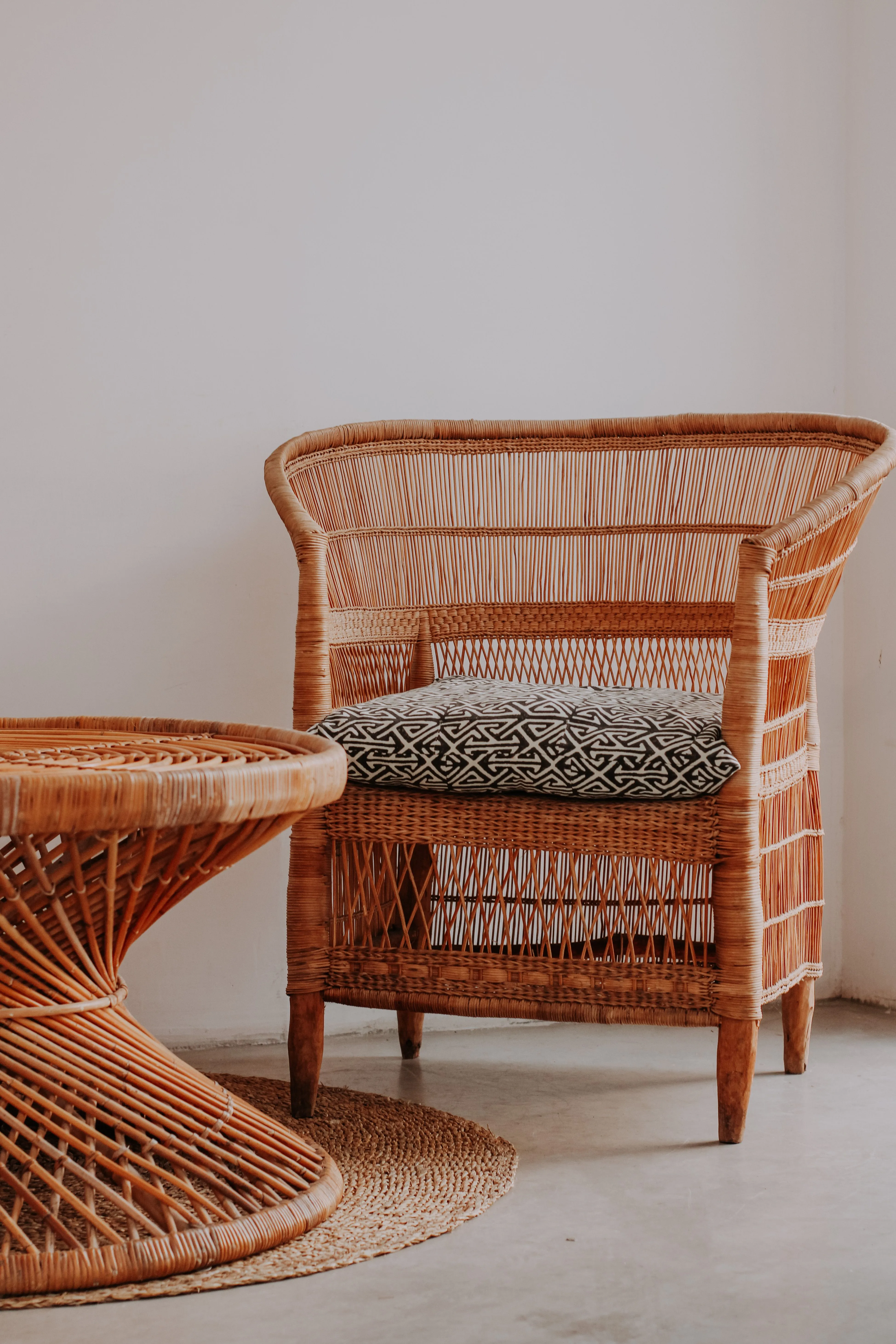
Rattan Guide | November 20, 2026
Gebogene Rattan-Möbelrahmen werden hergestellt, indem geeignete Rattanstangen ausgewählt, mit Hitze oder Dampf erweicht und um Formen oder Vorrichtungen gebogen werden, um die gewünschte Form zu erreichen.
See Details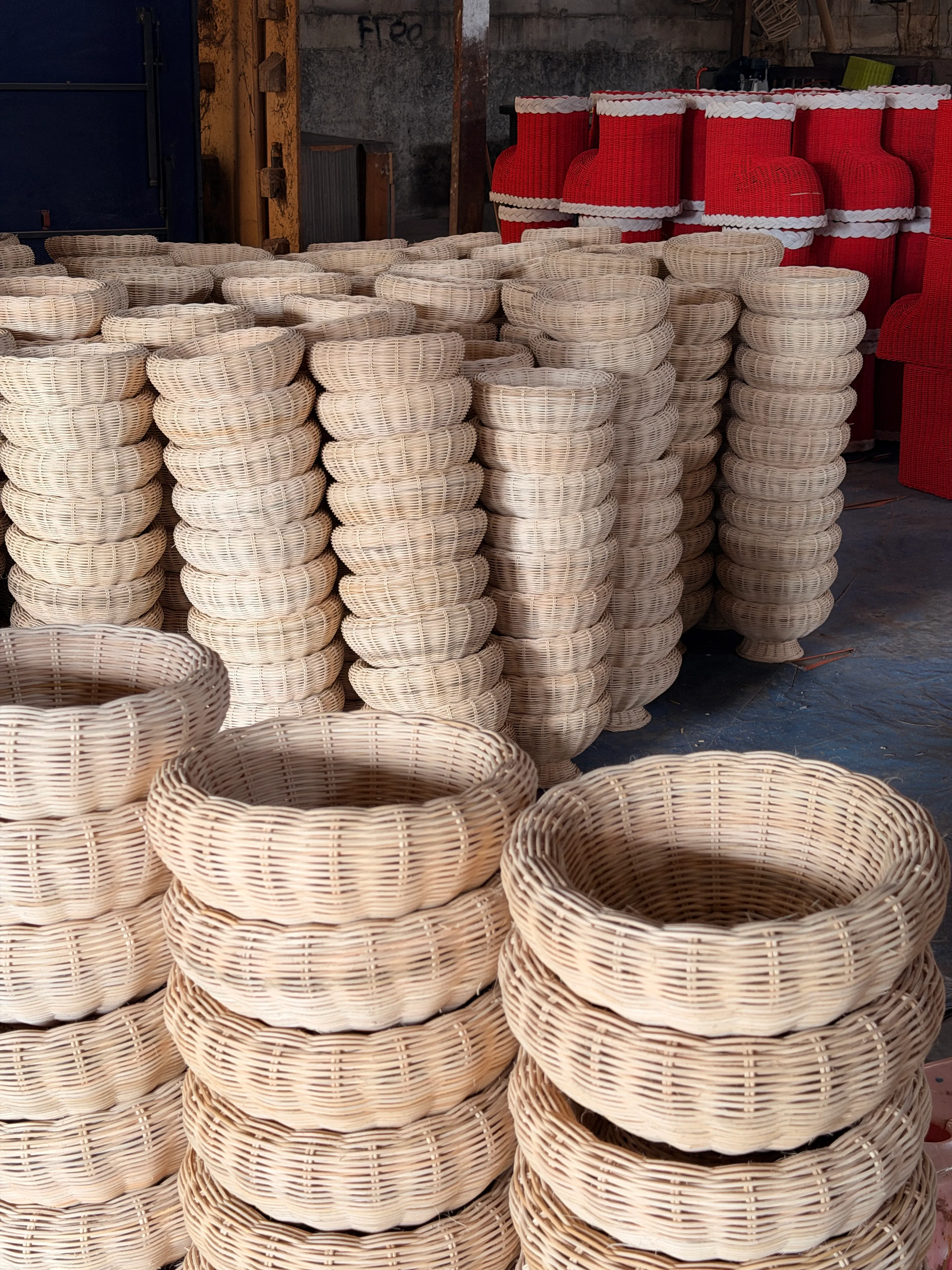
Rattan Guide | November 18, 2026
Not all rattan furniture is made entirely from natural rattan. Some products use natural rattan poles and woven fibers, while others incorporate synthetic strands, timber, metal, or upholstery. The term rattan furniture can therefore describe different material combinations, even when the finished products have similar appearances.
See DetailsSubcribe to our insight newsletter and be the first to receive the latest article and news updates form Tradeasia