
Buyer Guide | November 23, 2026
What Makes a Rattan Chair Comfortable for Long-Term Seating?
A comfortable rattan chair should provide good back support, enough sitting space, and a seat that remains comfortable over time.
See Details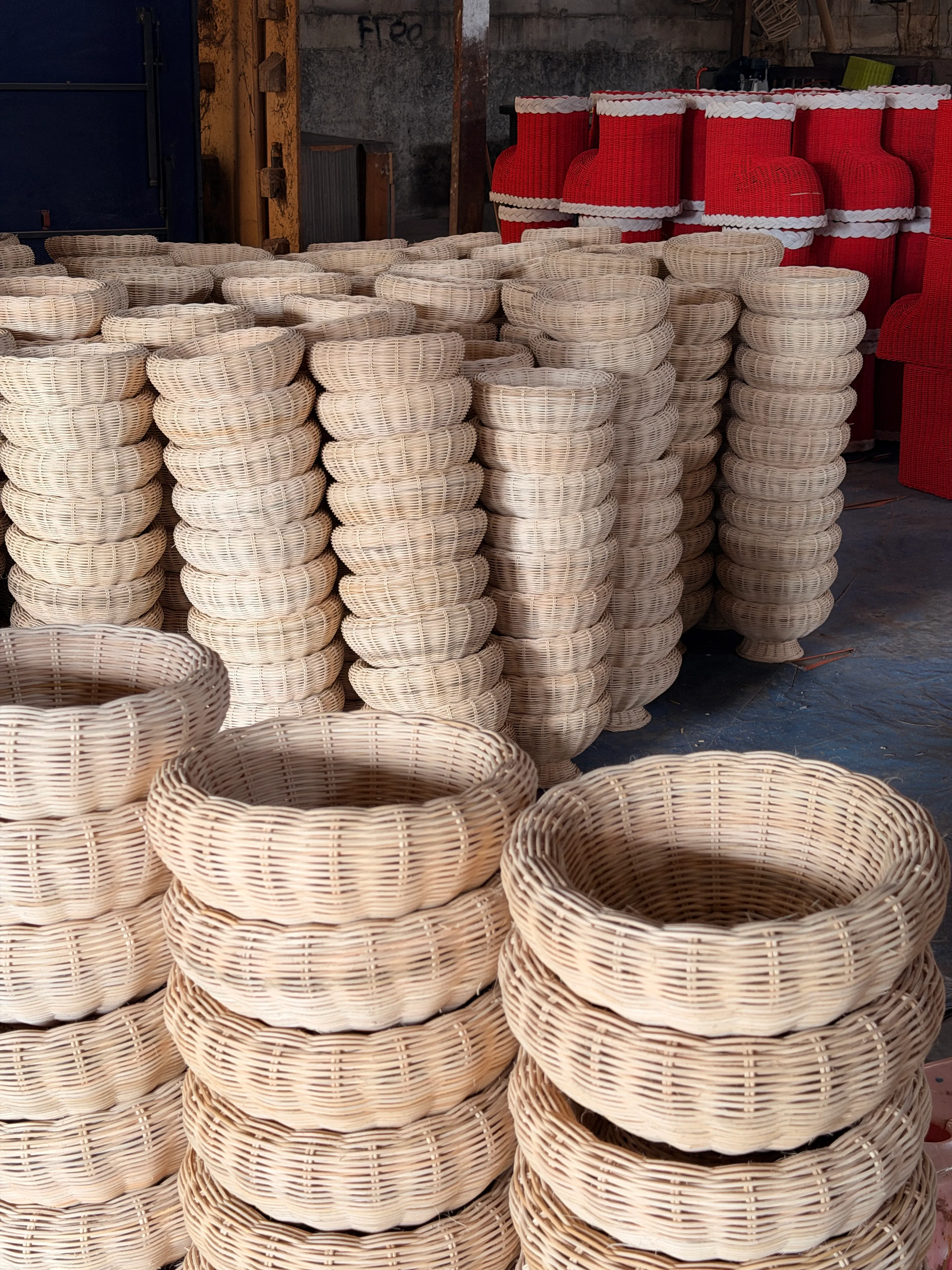
Not all rattan furniture is made entirely from natural rattan. Some products use natural rattan poles and woven fibers, while others incorporate synthetic strands, timber, metal, or upholstery. The term rattan furniture can therefore describe different material combinations, even when the finished products have similar appearances.
For wholesale buyers, these differences matter because material composition influences how furniture is constructed, maintained, and evaluated for its intended use. A product's woven appearance alone does not establish what its supporting frame or other components are made from.
Natural rattan comes from climbing palms whose stems can be processed into several materials for furniture manufacturing. Although these components originate from the same plant, their dimensions, structure, and mechanical characteristics can differ.
Whole rattan poles are commonly used to form furniture frames, including legs, armrests, and curved backrests. Processed rattan core can be used for weaving, while rattan peel is frequently used for woven details and wrapping frame connections.
These distinctions are more than manufacturing terminology. The outer and inner portions of a rattan cane can have different densities and mechanical properties. Rattan species also vary in bending strength and other physical characteristics, which means natural rattan should not be treated as a material with identical performance across every product.
A traditional rattan chair may therefore combine thick poles for its supporting structure, narrower materials for woven seating, and flexible strips around selected joints.
However, even furniture predominantly made from natural rattan typically includes other components. Screws, adhesives, protective coatings, cushions, and upholstery may all form part of the finished construction.
The description natural rattan furniture generally identifies the principal material rather than guaranteeing that every component is plant-based.
Synthetic rattan consists of manufactured strands designed to reproduce the appearance of natural woven cane. Polyethylene is commonly used, although other polymer formulations are available.
Unlike natural rattan poles, synthetic strands are typically woven around a separate supporting frame made from aluminum, steel, or another suitable material. The frame provides structural support, while the synthetic weaving contributes to the seating surface and visual design.
Furniture can also combine natural rattan with other materials without using synthetic weaving.
For example, a wooden dining chair may feature a natural cane backrest, while another design uses natural rattan poles with an upholstered seat. Both contain genuine rattan, but the material performs a different function in each product.
These combinations are not inherently inferior to furniture constructed primarily from natural rattan. Their suitability depends on the supporting structure, component design, and intended application.
One important consideration is the interaction between materials. Synthetic weaving designed for outdoor exposure does not automatically make an entire chair weather-resistant. A natural rattan frame, unsuitable fasteners, or an inappropriate surface finish may still limit where the product can be used.
Buyers evaluating outdoor furniture should therefore consider the complete construction rather than the properties of its visible weaving alone.
Read More: What Is Synthetic Rattan?.
Two chairs with nearly identical woven patterns can differ substantially in their supporting materials and construction.
Consider a chair assembled from bent natural rattan poles and another with a timber frame incorporating natural cane panels. Both can achieve a similar design, but they rely on different structural components.
Differences can also exist between products made from natural rattan. Species, cane dimensions, and the portions of the material used may influence mechanical behavior. This is relevant because furniture components perform different functions and experience different forces during use.
Woven materials introduce another consideration. Natural rattan strips and synthetic strands do not necessarily respond identically to repeated mechanical loading. Their behavior depends on the material, strand configuration, and applied stress.
However, these material-level differences should not be interpreted as direct predictions of a finished chair's durability. Joint construction, frame geometry, workmanship, and the intended environment also influence product performance.
The practical distinction for buyers is that similar appearances do not establish equivalent specifications.
When comparing furniture, the question is not simply whether both products contain rattan, but whether their construction and materials meet the same functional requirements.
A finished product photograph may not reveal all the materials used in its construction. Synthetic weaving can resemble natural cane, while surface finishing and decorative bindings may conceal parts of the supporting frame.
For custom and wholesale orders, a component-level material specification provides a more reliable basis for evaluating a product.
Buyers should confirm the main frame material, the type of weaving used in the seat and backrest, relevant joint construction details, and the surface finishing system. Upholstery and cushioning materials should also be identified where included.
This becomes particularly useful when comparing quotations from different manufacturers.
For instance, one supplier may propose a natural rattan pole frame with cane weaving, while another quotes a timber frame with cane panels. Both might satisfy the project's visual requirements, but the construction differs.
Before comparing prices, buyers should establish whether these alternatives are acceptable under the intended product specification.
The same principle applies after sample approval. If a manufacturer proposes replacing a natural component with a synthetic alternative, or changing the supporting frame material, the modification should be documented and reviewed before production.
A representative sample and an agreed material specification can help establish what the supplier is expected to deliver.
Ultimately, identifying whether rattan furniture is natural, synthetic, or mixed-material is only the starting point. Understanding how those materials are used throughout the furniture provides a more meaningful basis for purchasing decisions.
Explore Rattan Tradeasia to discover rattan furniture and discuss material specifications for your project.
Buyer Guide | November 23, 2026
A comfortable rattan chair should provide good back support, enough sitting space, and a seat that remains comfortable over time.
See Details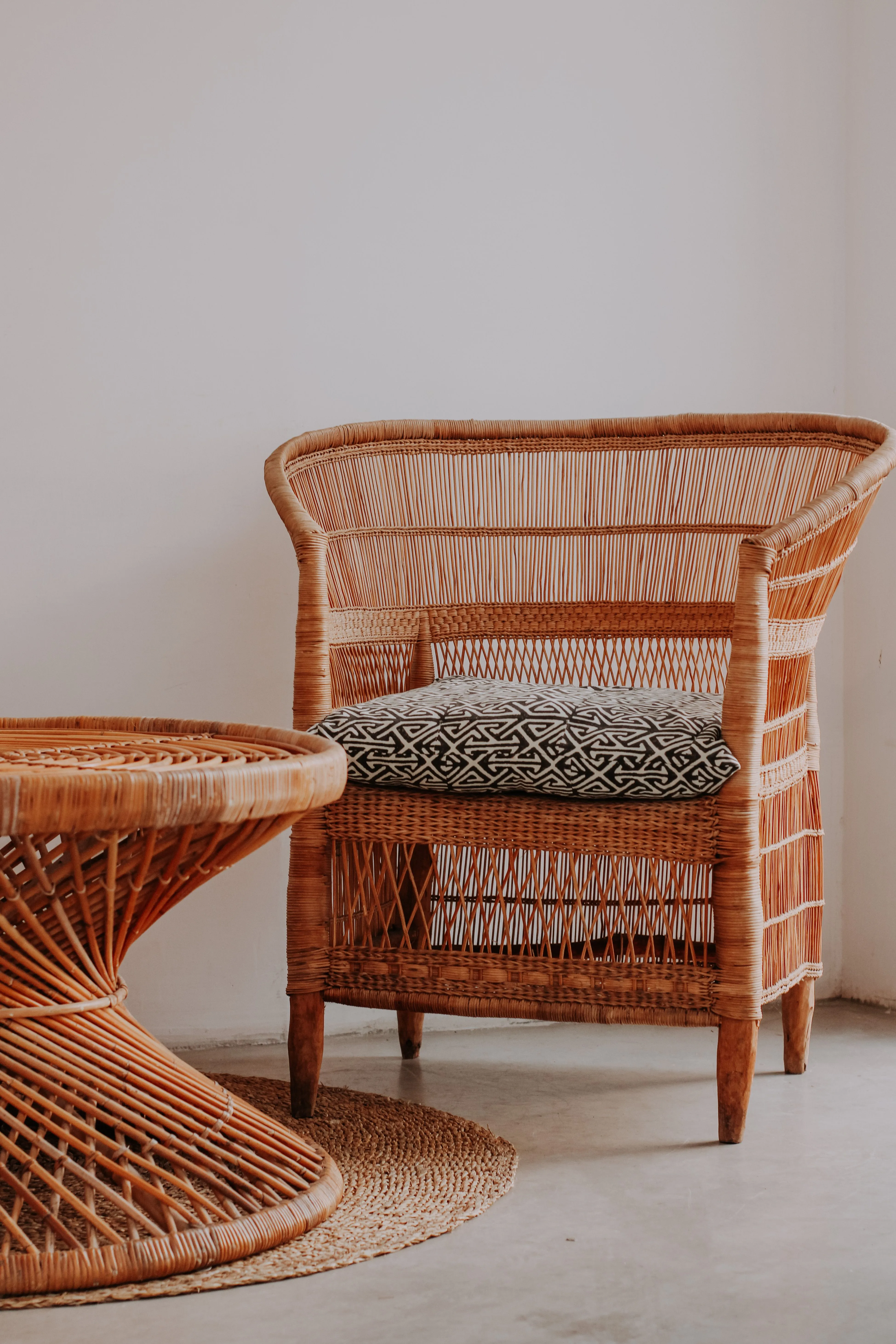
Rattan Guide | November 20, 2026
Gebogene Rattan-Möbelrahmen werden hergestellt, indem geeignete Rattanstangen ausgewählt, mit Hitze oder Dampf erweicht und um Formen oder Vorrichtungen gebogen werden, um die gewünschte Form zu erreichen.
See Details
Rattan Guide | November 16, 2026
The amount of manual work depends on the furniture design, materials, and manufacturing techniques. Some products feature hand-shaped frames and individually woven surfaces, while others combine handcrafted components with prepared materials.
See DetailsSubcribe to our insight newsletter and be the first to receive the latest article and news updates form Tradeasia