
Buyer Guide | November 23, 2026
What Makes a Rattan Chair Comfortable for Long-Term Seating?
A comfortable rattan chair should provide good back support, enough sitting space, and a seat that remains comfortable over time.
See Details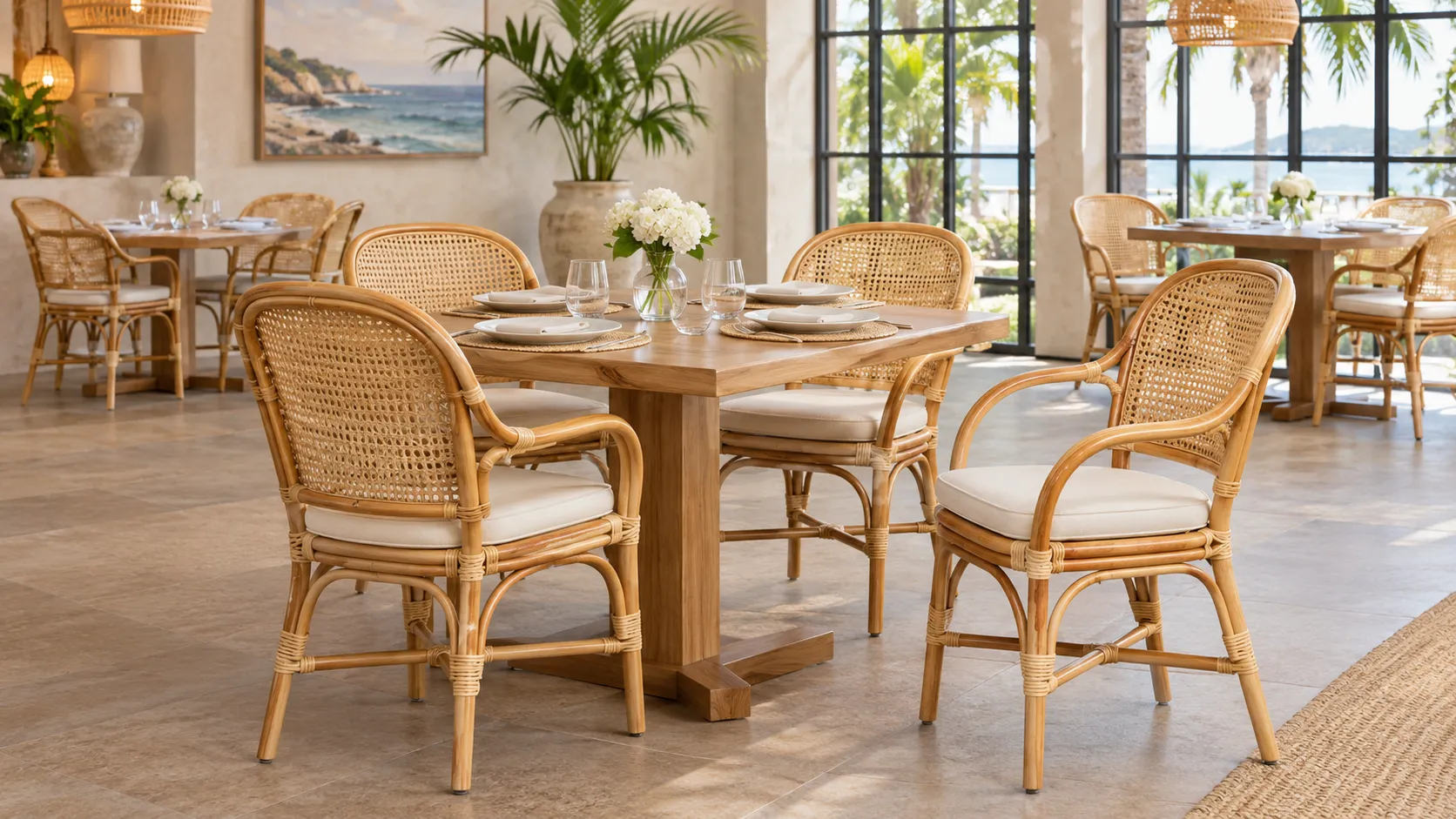
Choosing rattan dining chairs for restaurants requires more than selecting an attractive design. The right chairs should provide comfortable seating, stable construction, appropriate table clearance, and surfaces that can withstand regular cleaning. Natural rattan can work well in protected dining interiors, while outdoor areas may require furniture made from weather-resistant materials.
For restaurant owners, interior designers, and hospitality buyers, evaluating these factors before purchasing helps ensure the chairs suit both the dining concept and daily restaurant operations.
Rattan dining chairs can be suitable for restaurants when their construction and materials match the intended environment. Natural rattan offers curved frames and woven textures that complement tropical, coastal, Mediterranean, and contemporary interiors. It is commonly considered for indoor dining rooms, cafés, and sheltered hospitality spaces where prolonged moisture exposure can be controlled.
However, a residential rattan chair is not automatically appropriate for restaurant use. Commercial dining chairs experience repeated seating, movement, and cleaning throughout operating hours. Their frames, joints, and woven components must be suitable for those demands.
Restaurant buyers should therefore evaluate the finished chair rather than relying on its material or appearance alone. The most important considerations are structural stability, seating comfort, cleaning practicality, and compatibility with the dining layout.
Comfort begins with the relationship between the chair and dining table. A typical dining-chair seat height is approximately 43–48 cm, while many standard dining tables measure around 71–76 cm high. These are useful starting ranges rather than universal requirements. The final dimensions should allow sufficient space between the occupied seat and the underside of the table, including any apron or supporting structure.
Seat depth and backrest shape also affect dining comfort. A chair that is too deep may prevent guests from sitting comfortably against the backrest, while an overly reclined design can make dining awkward. A well-proportioned rattan chair should support an upright but relaxed sitting position without creating excessive pressure around the thighs or lower back.
Armrests require particular attention because they can interfere with table clearance. For restaurant layouts using armchairs, buyers should confirm whether the arms fit beneath the table and whether the chair can be moved comfortably without blocking circulation.
Testing the chair together with the intended table provides a more reliable assessment than approving either product separately.
A restaurant rattan chair must maintain its stability under repeated use. Natural rattan poles may form the supporting frame, while processed rattan core, peel, or other materials create woven seating and backrests. Some designs also incorporate timber or metal reinforcement.
Frame strength depends on the quality of the joints, supporting components, and overall construction. A visually attractive chair may still develop movement if its legs, seat frame, or backrest connections are poorly assembled. Woven seating also requires appropriate support and secure attachments to withstand normal use.
For commercial projects, buyers should inspect representative samples for uneven legs, loose joints, cracked poles, damaged strands, and unusual movement. Where applicable, suppliers should provide evidence of finished-product performance against relevant non-domestic seating requirements.
For European projects, EN 16139:2025 provides safety, strength, and durability requirements for seating within its defined scope. This does not mean every rattan restaurant chair automatically meets the standard, and outdoor seating requires separate consideration.
The choice between natural and synthetic rattan depends primarily on the restaurant's operating environment. Natural rattan is generally more appropriate for protected interiors where prolonged exposure to rain and excessive moisture can be avoided. Its curved frames and natural textures make it suitable for dining rooms and cafés seeking an organic furniture appearance.
Synthetic rattan furniture may be more appropriate for exposed terraces, rooftop dining, and outdoor restaurant areas, provided the entire product is designed for those conditions. Weather-resistant synthetic weaving should be supported by suitable frames, fasteners, and finishes.
Covered terraces require individual assessment because overhead shelter does not necessarily prevent wind-driven rain, sunlight, or persistent humidity from affecting furniture. Buyers should consider whether chairs will remain outside overnight, be moved into storage, or require frequent handling.
Selecting the appropriate material for each dining zone can reduce avoidable maintenance problems without requiring every part of the restaurant to use the same furniture construction.
Restaurant furniture requires regular cleaning, making surface design an important purchasing consideration. Woven rattan can collect crumbs and dust within its pattern, particularly around seat edges, frame connections, and narrow gaps. Chairs with accessible surfaces and practical weaving patterns may be easier for staff to maintain during daily service.
Natural rattan should generally be cleaned using methods appropriate to its protective finish, avoiding excessive soaking and harsh cleaning products unless approved by the manufacturer. Spilled liquids should be addressed promptly, and furniture should be allowed to dry adequately after cleaning.
Cushioned rattan dining chairs require additional attention. Removable covers, suitable upholstery materials, secure cushion attachments, and replacement options can simplify maintenance, particularly in busy restaurants.
Buyers should therefore evaluate cleaning requirements during sample approval, not only after the furniture has been installed.
Chair dimensions influence how many seats fit comfortably within a dining area and how easily guests and staff can move between tables. A chair with wide armrests or an outward-curving backrest may occupy more space than its seat dimensions suggest.
Restaurant planners should consider the chair's overall width and depth, the space required when pulling it away from a table, and the clearance needed for service circulation. In compact dining rooms, small differences in chair dimensions can affect the practical seating arrangement.
Furniture weight and movement also matter. Chairs that are frequently repositioned should be manageable for staff, with suitable floor glides where necessary to protect flooring and reduce noise. Stackability should only be assumed when the chair has been specifically designed and approved for stacking.
Before finalizing quantities, buyers should evaluate the selected chair within the actual restaurant floor plan rather than calculating capacity from table dimensions alone.
Before bulk purchasing, buyers should confirm the chair's intended use, dimensions, frame materials, weaving specifications, finish, and cleaning requirements. These details help distinguish products that appear similar but differ in construction and commercial suitability.
A representative sample should be tested with the intended dining table to assess seat height, back support, armrest clearance, and stability. Buyers should also inspect the quality of curved frames, structural joints, woven surfaces, and protective finishes.
For restaurant chains or hospitality projects purchasing multiple units, consistency is particularly important. The approved sample should establish expectations for dimensions, color variation, weaving patterns, and workmanship. Buyers should also clarify packaging, replacement components, and the feasibility of future repeat orders.
These checks make supplier quotations more comparable and help ensure the selected chairs meet both design expectations and operational requirements.
Suitable rattan dining chairs should balance comfort, durable construction, practical cleaning, and restaurant layout requirements. Evaluating complete samples before bulk ordering helps buyers select furniture appropriate for daily use. Explore Rattan Tradeasia to discover rattan dining furniture and discuss specifications for your restaurant project.
Buyer Guide | November 23, 2026
A comfortable rattan chair should provide good back support, enough sitting space, and a seat that remains comfortable over time.
See Details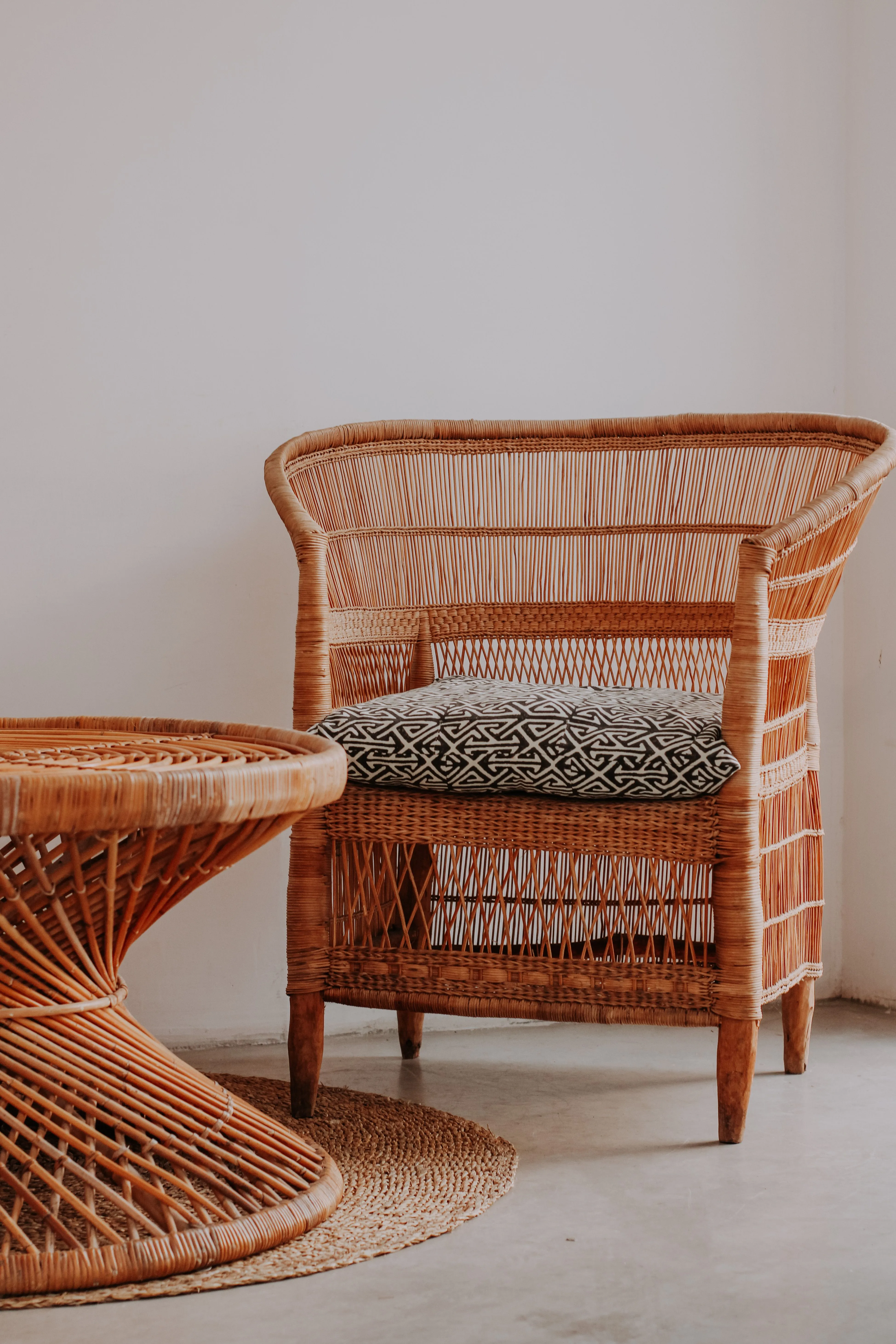
Rattan Guide | November 20, 2026
Gebogene Rattan-Möbelrahmen werden hergestellt, indem geeignete Rattanstangen ausgewählt, mit Hitze oder Dampf erweicht und um Formen oder Vorrichtungen gebogen werden, um die gewünschte Form zu erreichen.
See Details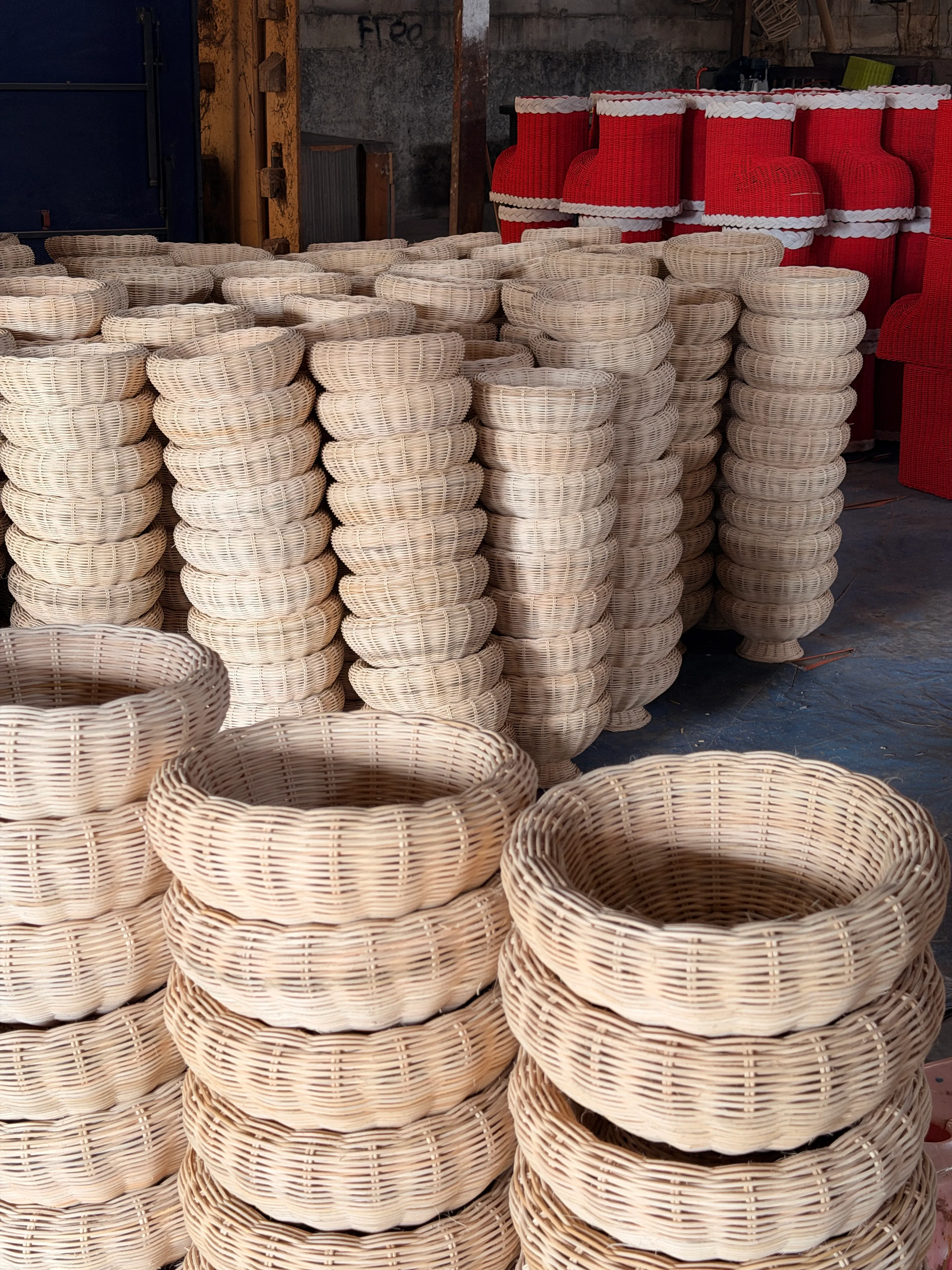
Rattan Guide | November 18, 2026
Not all rattan furniture is made entirely from natural rattan. Some products use natural rattan poles and woven fibers, while others incorporate synthetic strands, timber, metal, or upholstery. The term rattan furniture can therefore describe different material combinations, even when the finished products have similar appearances.
See DetailsSubcribe to our insight newsletter and be the first to receive the latest article and news updates form Tradeasia