Buyer Guide | November 23, 2026
What Makes a Rattan Chair Comfortable for Long-Term Seating?
A comfortable rattan chair should provide good back support, enough sitting space, and a seat that remains comfortable over time.
See Details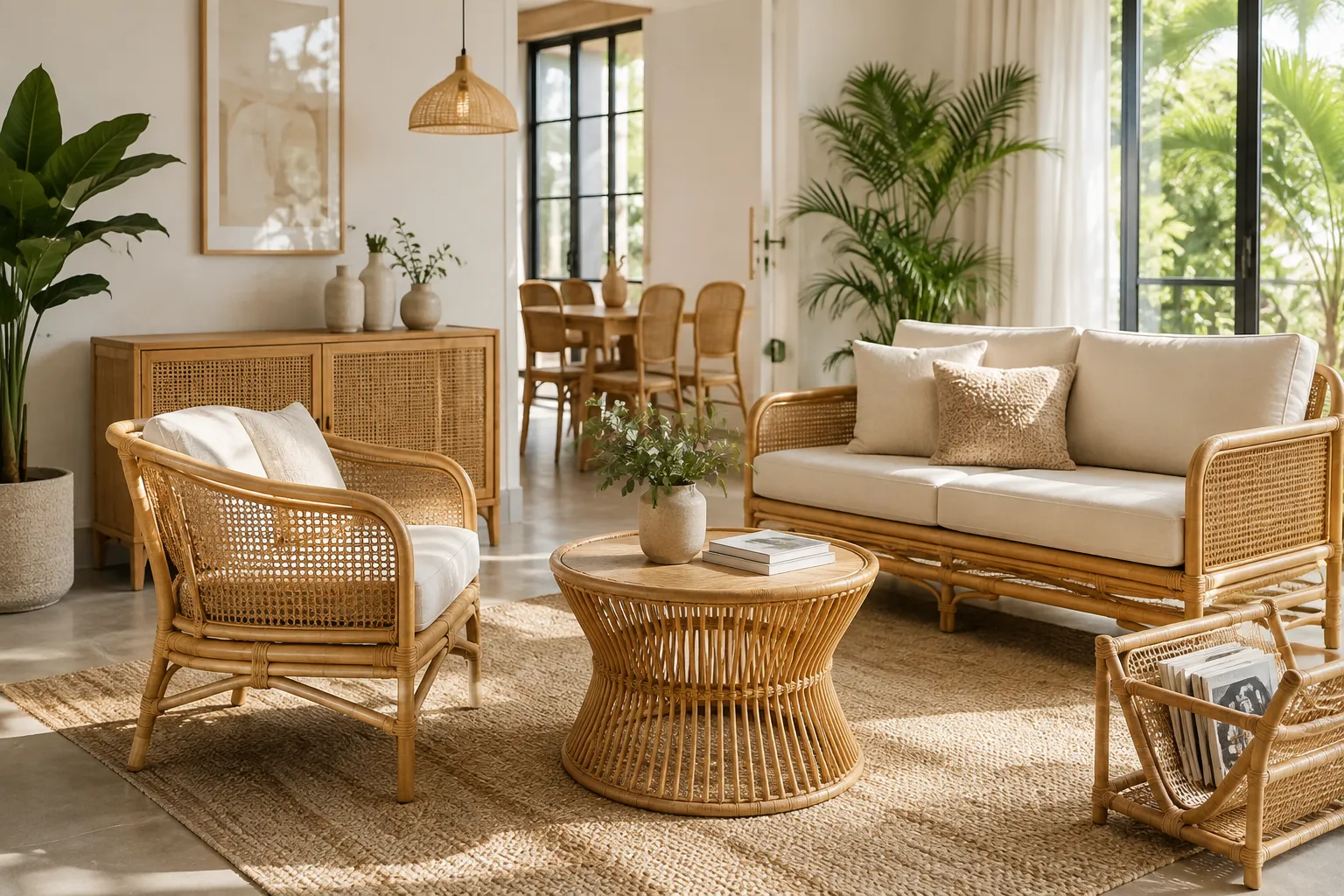
The global rattan furniture market is experiencing a renaissance, driven by a growing consumer preference for sustainable, natural, and artisanal home decor. As we approach 2026, international buyers are seeking pieces that not only meet aesthetic demands but also align with environmental standards and modern living needs. For sourcing and export professionals, staying ahead of these trends is crucial for capitalizing on emerging opportunities. This article delves into the top five rattan furniture trends that are shaping international markets in 2026, offering comprehensive insights for buyers to make informed decisions.
Sustainability has transitioned from a niche preference to a mainstream requirement in the furniture industry. In 2026, international buyers are prioritizing rattan furniture that is sourced from responsibly managed forests, with certifications like FSC (Forest Stewardship Council) becoming increasingly important. The demand for ethically produced rattan is not just a trend but a movement, as consumers are more environmentally conscious than ever before. They want to know that their furniture has a minimal carbon footprint and that the communities involved in cultivation and crafting are fairly compensated.
For exporters, this means investing in transparent supply chains. Specifically, buyers are looking for:
By emphasizing these aspects, suppliers can differentiate themselves in a crowded market and attract discerning buyers who are willing to pay a premium for sustainability.
The biophilic design trend continues to gain momentum, fostering a connection between indoor spaces and the natural world. In 2026, rattan furniture is being crafted with more organic, flowing shapes that mimic natural forms, such as curved backs, asymmetrical silhouettes, and textured weaves. This approach goes beyond mere aesthetics; it contributes to well-being by bringing a calming, earthy element into homes and offices. Designers are experimenting with combining rattan with other natural materials like bamboo, wood, and stone to create pieces that feel organic and harmonious.
For buyers, this trend offers an opportunity to source unique, statement pieces that cater to a growing segment of consumers seeking to create serene, nature-inspired interiors. When sourcing, consider items like:
By aligning with biophilic principles, furniture not only sells but also contributes to a lifestyle that values health and sustainability.
As technology becomes increasingly integrated into our daily lives, furniture is also adapting to incorporate smart features. In 2026, we see rattan furniture that seamlessly blends traditional craftsmanship with modern convenience. For instance, rattan coffee tables may include built-in wireless charging pads, and rattan cabinets may feature LED lighting that activates when opened. This trend appeals to a tech-savvy generation that does not want to compromise on style for functionality.
Buyers should look for suppliers who are innovating in this space, as they can offer products with a unique selling proposition. However, it is essential to ensure that the integration of technology does not compromise the durability or aesthetic appeal of the natural material. When sourcing smart rattan furniture, consider the following:
By embracing smart integration, exporters can tap into a niche market that is growing rapidly.
While natural rattan tones remain timeless, 2026 is seeing a shift towards bold, vibrant colors and mixed-material combinations. Designers are moving away from traditional browns and creams, experimenting with painted rattan in shades of deep greens, terracotta, and even blues. This trend allows rattan furniture to become a focal point in interiors, rather than just a neutral background piece. Additionally, combining rattan with contrasting materials like metal, glass, or leather adds a modern edge to classic designs.
For international buyers, this presents a chance to diversify their product offerings and appeal to a broader customer base. However, it is important to ensure that these stylish variations do not compromise the structural integrity of rattan. Here are some popular combinations:
By offering a range of finishes and styles, suppliers can meet the evolving tastes of global consumers.
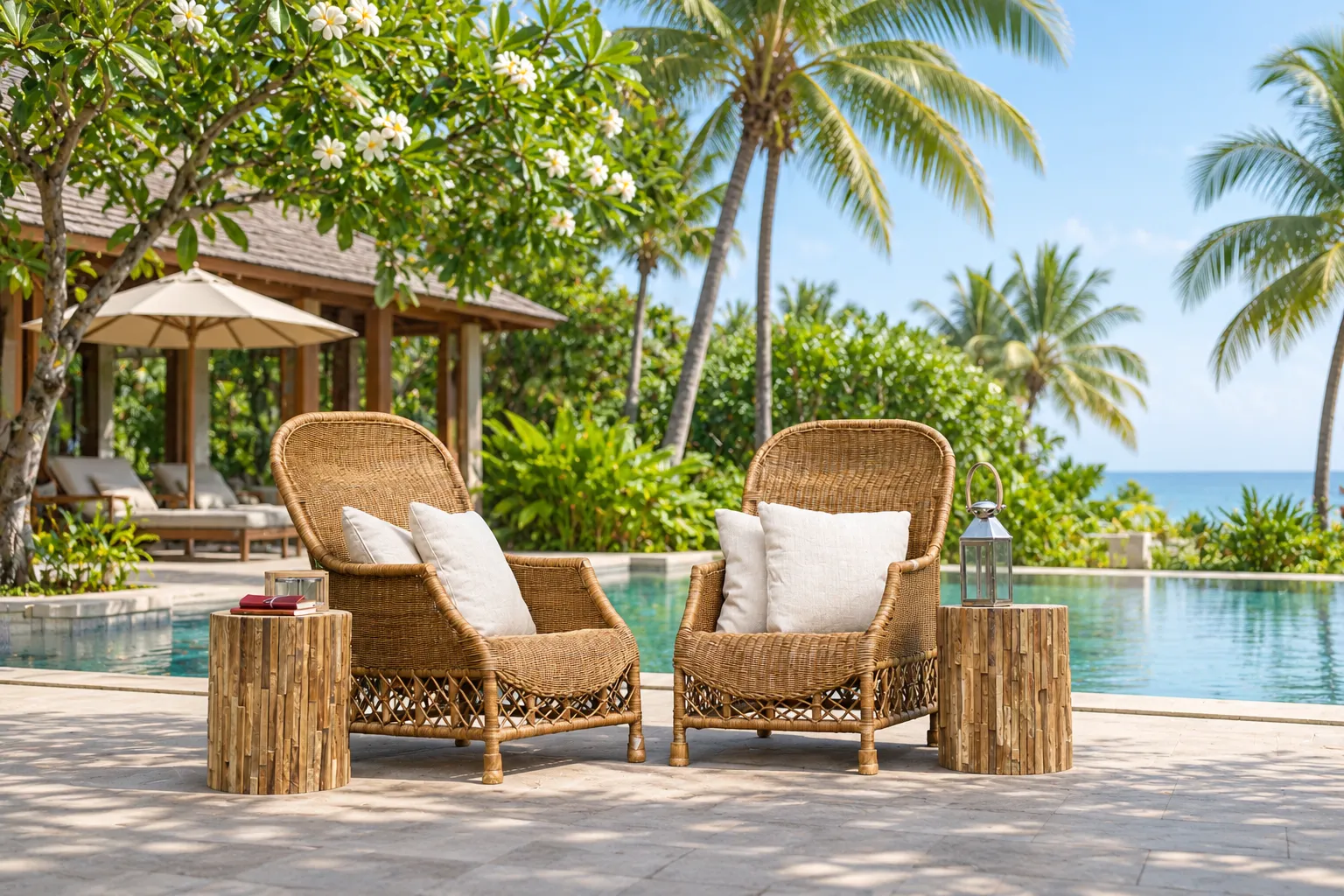
The outdoor furniture segment is thriving, and rattan is at the forefront of this expansion. Thanks to advancements in synthetic rattan that mimics the natural look but offers superior weather resistance, outdoor rattan furniture is becoming a staple in patios, balconies, and gardens. In 2026, we see a growing demand for all-weather rattan lounge sets, dining sets, and even hammocks that combine durability with aesthetic appeal. Consumers are increasingly investing in their outdoor spaces as extensions of their homes, creating a need for stylish and functional furniture.
When sourcing outdoor rattan, buyers must prioritize materials that can withstand various climatic conditions. Here are key considerations:
By focusing on outdoor-specific rattan lines, exporters can tap into a lucrative market that shows no signs of slowing down.
As we look towards 2026, the rattan furniture market is set to expand, driven by sustainability, biophilic design, smart integration, bold aesthetics, and outdoor applications. For sourcing and export professionals, keeping up with these trends is essential for building relevant and competitive product portfolios. Rattan Tradeasia can also serve as a useful source for exploring rattan knowledge, materials, and furniture trends, while showcasing products from verified suppliers. By combining industry insights with real product references, it gives buyers a practical way to understand the market and discover rattan products suited to their needs.
Buyer Guide | November 23, 2026
A comfortable rattan chair should provide good back support, enough sitting space, and a seat that remains comfortable over time.
See Details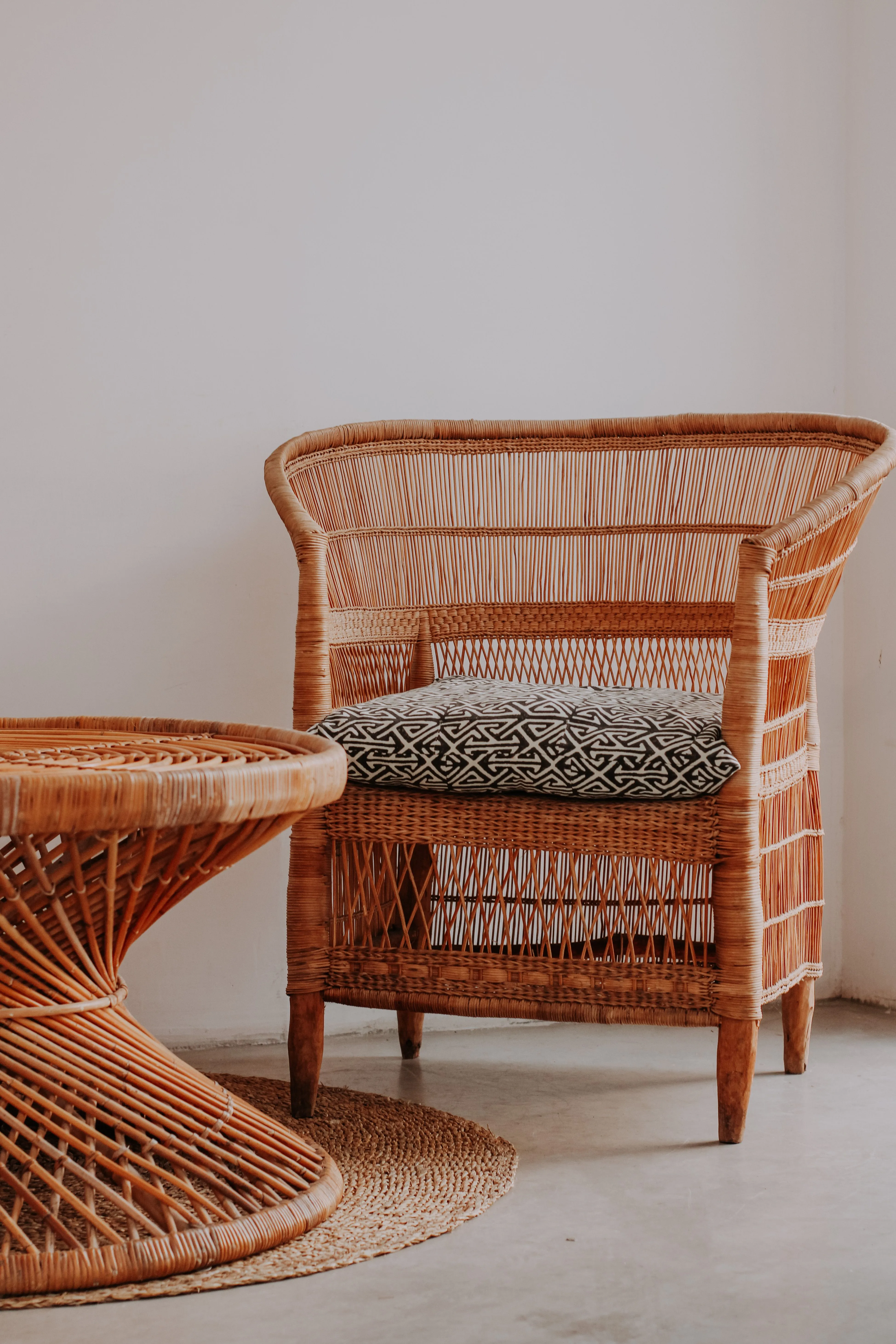
Rattan Guide | November 20, 2026
Gebogene Rattan-Möbelrahmen werden hergestellt, indem geeignete Rattanstangen ausgewählt, mit Hitze oder Dampf erweicht und um Formen oder Vorrichtungen gebogen werden, um die gewünschte Form zu erreichen.
See Details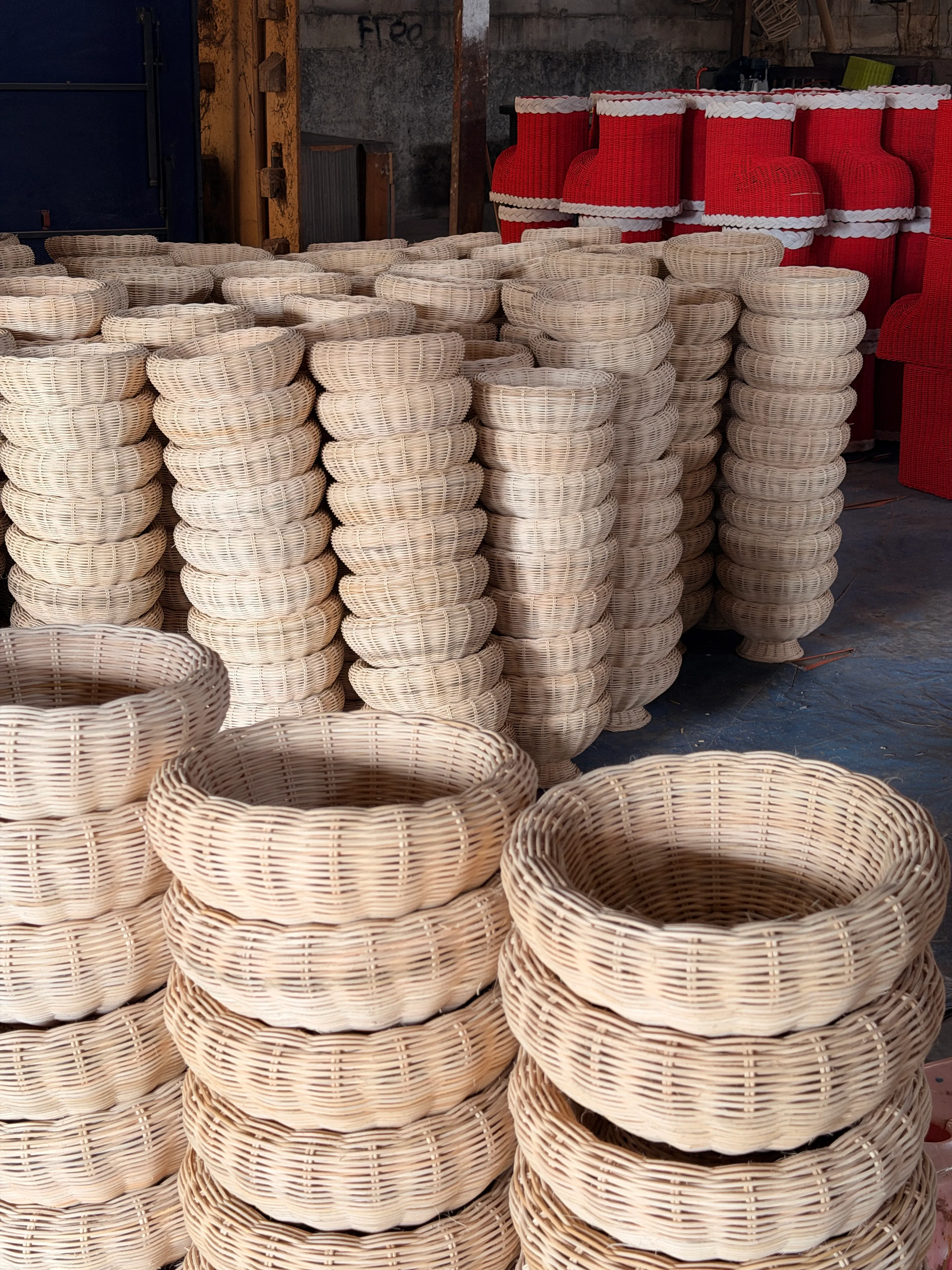
Rattan Guide | November 18, 2026
Not all rattan furniture is made entirely from natural rattan. Some products use natural rattan poles and woven fibers, while others incorporate synthetic strands, timber, metal, or upholstery. The term rattan furniture can therefore describe different material combinations, even when the finished products have similar appearances.
See DetailsSubcribe to our insight newsletter and be the first to receive the latest article and news updates form Tradeasia